Cryogenic seals
In sealing technology, special expertise is always required when the temperature in the application is significantly below freezing. This is particularly relevant in cryogenics, as temperatures are reached here at which the physical properties of the material change fundamentally.
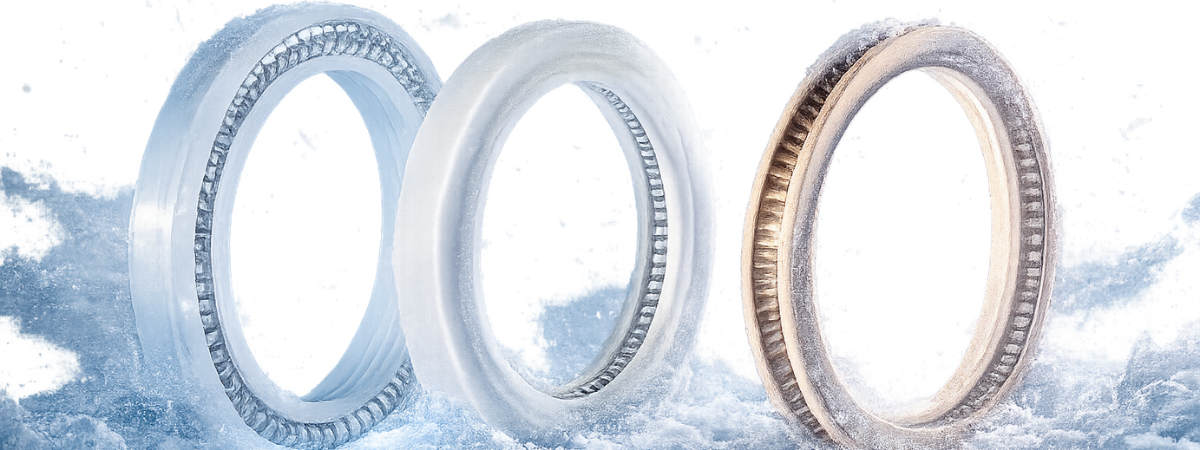
Cryotechnology encompasses technical applications below −150 °C.
Typical media are:
- Liquid nitrogen (−196 °C/−320.8 °F)
- Liquid hydrogen (−253 °C/ −423.4 °F)
- Liquid helium (−269 °C/ −452.2 °F)
In this temperature range, plastics and elastomers exhibit completely different mechanical behaviour to that at room temperature, which makes the selection of materials for cryogenic seals particularly challenging. Due to their widely differing coefficients of thermal expansion, polymers and metals undergo different changes in length at cryogenic temperatures. The differential shrinkage behaviour between the seal and the metal component must be considered in the design, as it directly affects the effectiveness of the seal.
Seals for cryogenic technology from Hänssler
We take the altered physical conditions into account from the design phase onwards. Since thermoplastics and elastomers lose most of their elastic properties at these temperatures, Hänssler uses metal preload elements, among other things. These reliably ensure the required contact pressure, even under cryogenic conditions. Furthermore, we only use high-performance plastics to guarantee consistent, long-term performance at temperatures below −250 °C.
We develop and produce seals specifically for cryogenic applications, working closely with your cryogenic engineers throughout the process. Our solutions are used successfully in technical systems in the hydrogen economy, LNG industry, aerospace and other key sectors.

Typical areas of application
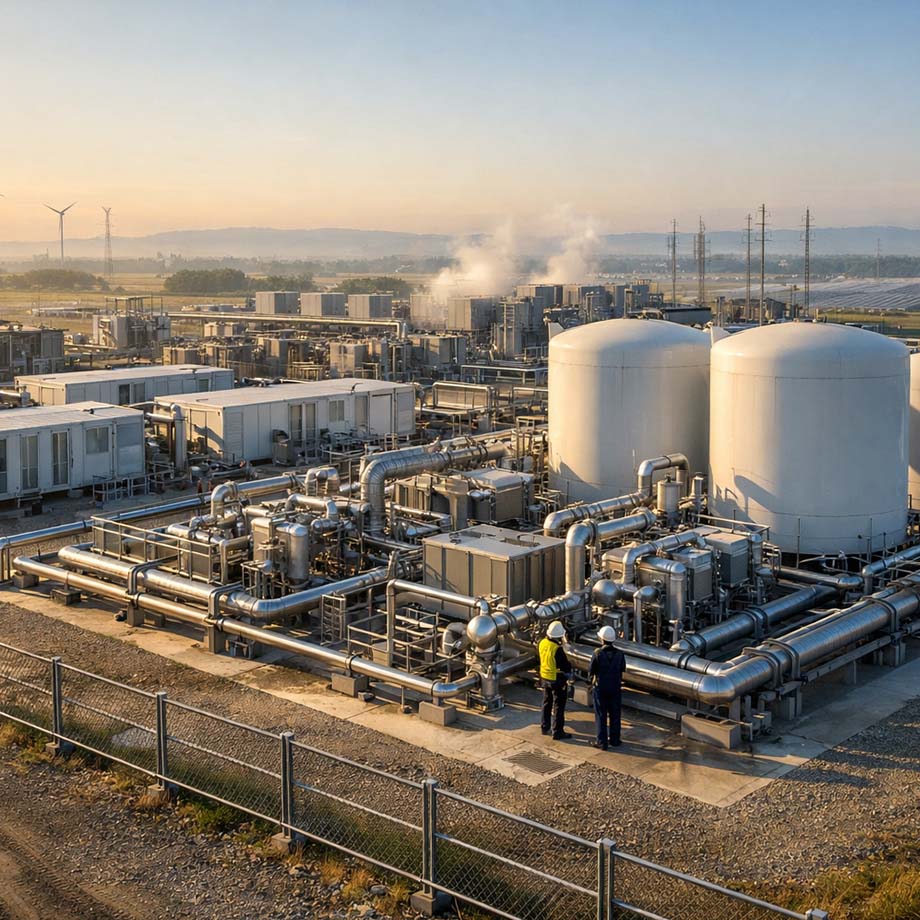
Cryogenic seals are used in numerous cryogenic systems. Some examples of these are:
- Valves and fittings
- Cryogenic ball valves
- Pumps for cryogenic media
- Compressors and compaction units
- Cryogenic tanks and pressure vessels
- Piping systems and couplings
- Refueling and transfer systems
- Sensors, measurement technology, and feedthroughs
The above-mentioned applications all involve cryogenic seals that must withstand extreme stresses at low temperatures. In addition, there are areas of application that involve equally high operating temperatures.
Key industries

Aerospace
Historically one of the most important fields of application.
- Rocket engines
- Fuel systems
- Satellites and spacecraft
- Test stands and ground systems
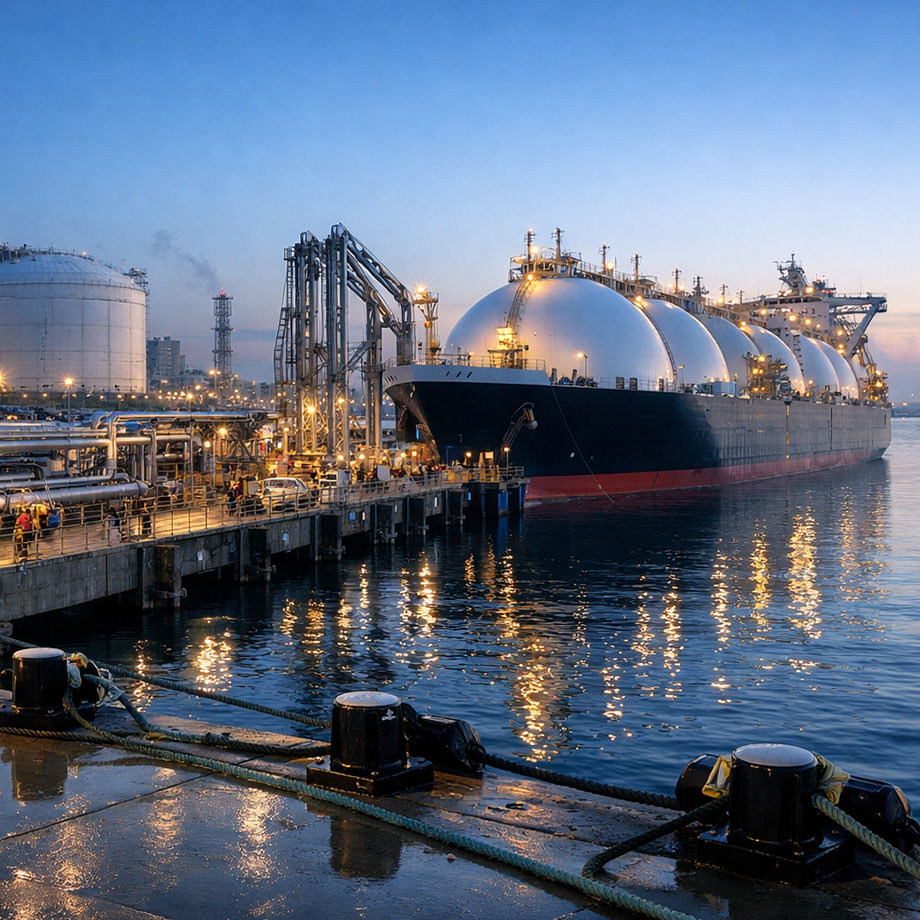
LNG industry
Transport and use of liquefied natural gas.
• LNG terminals
• Liquefaction plants
• Transport and storage facilities
• Maritime applications (LNG ships)
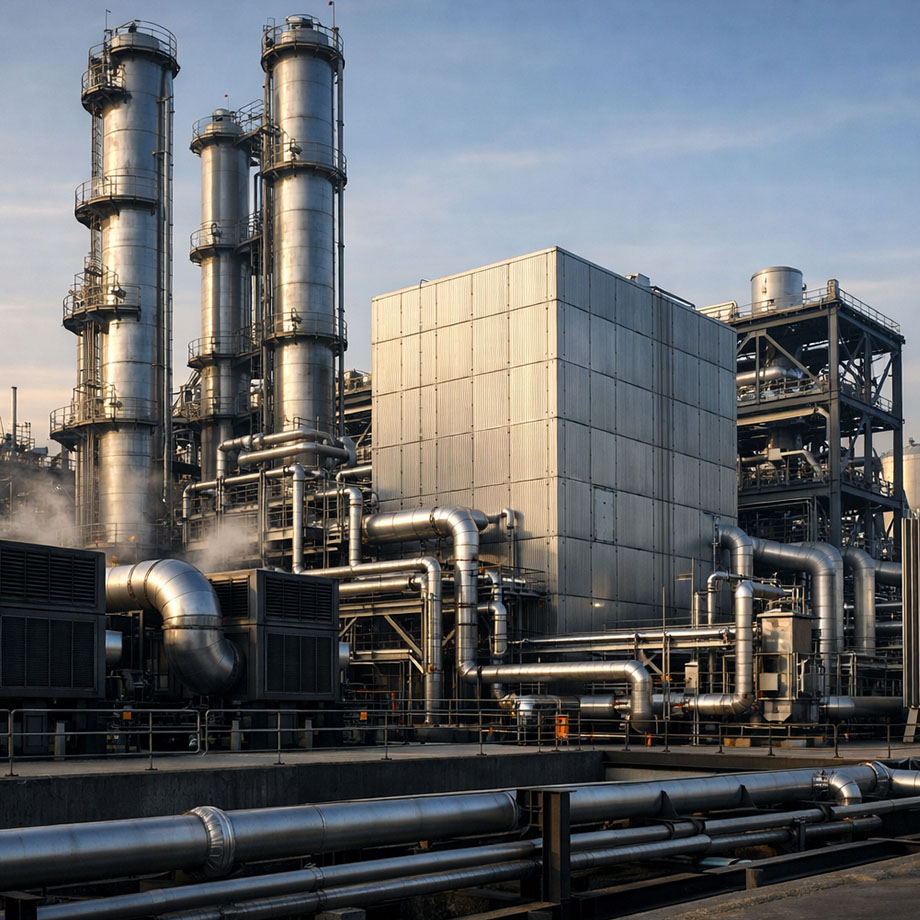
Chemical and process industry
• Gas liquefaction
• Cryogenic separation
• Special processes with cryogenic media
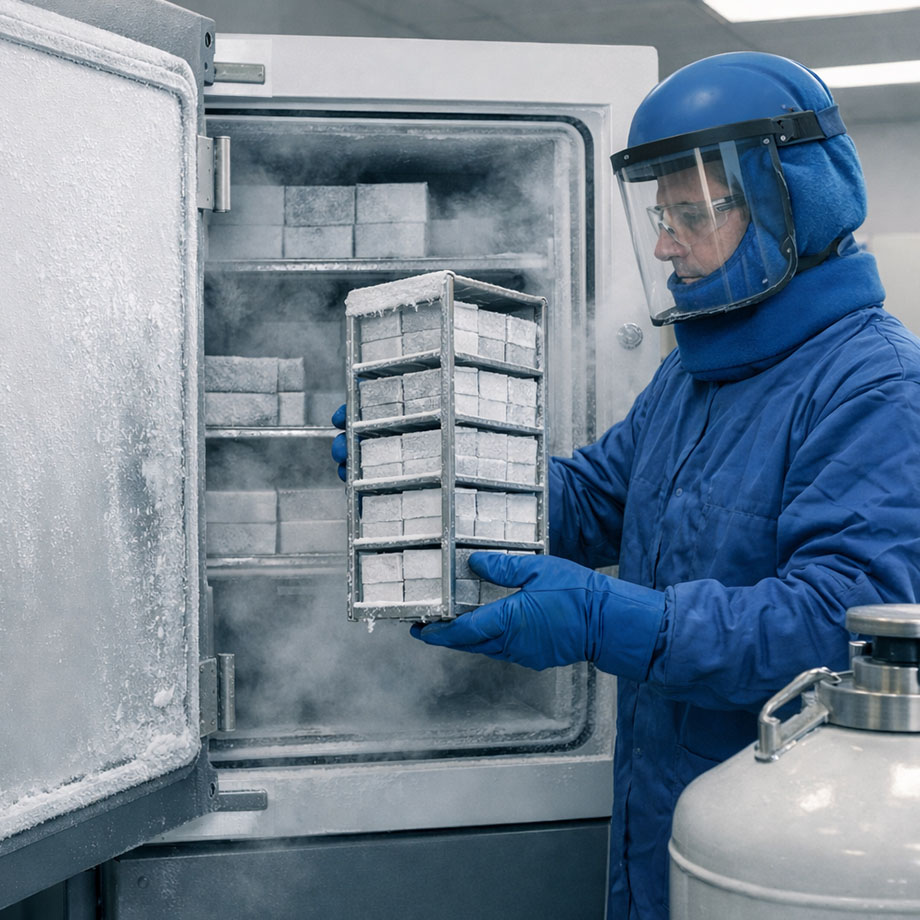
Medical technology and life sciences
• Cryopreservation
• Storage of biological samples
• MRI and magnetic systems (helium)
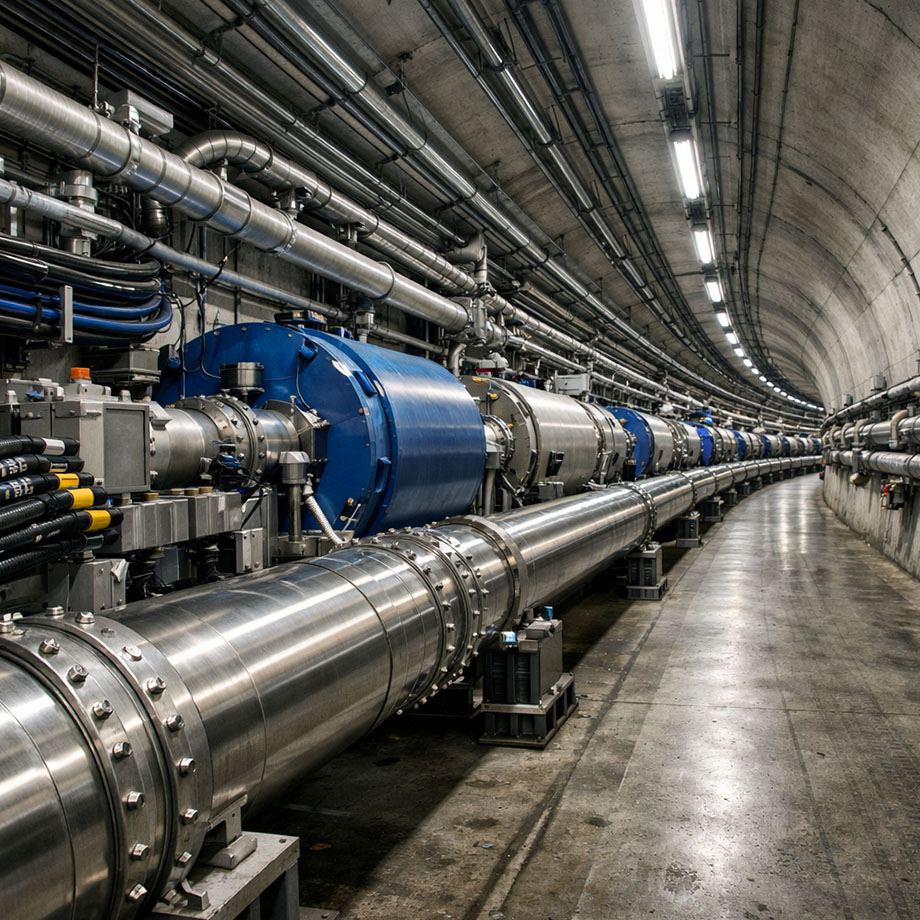
Research and large-scale research facilities
• Particle accelerators
• Cryostats
• Superconducting magnets
• Materials research
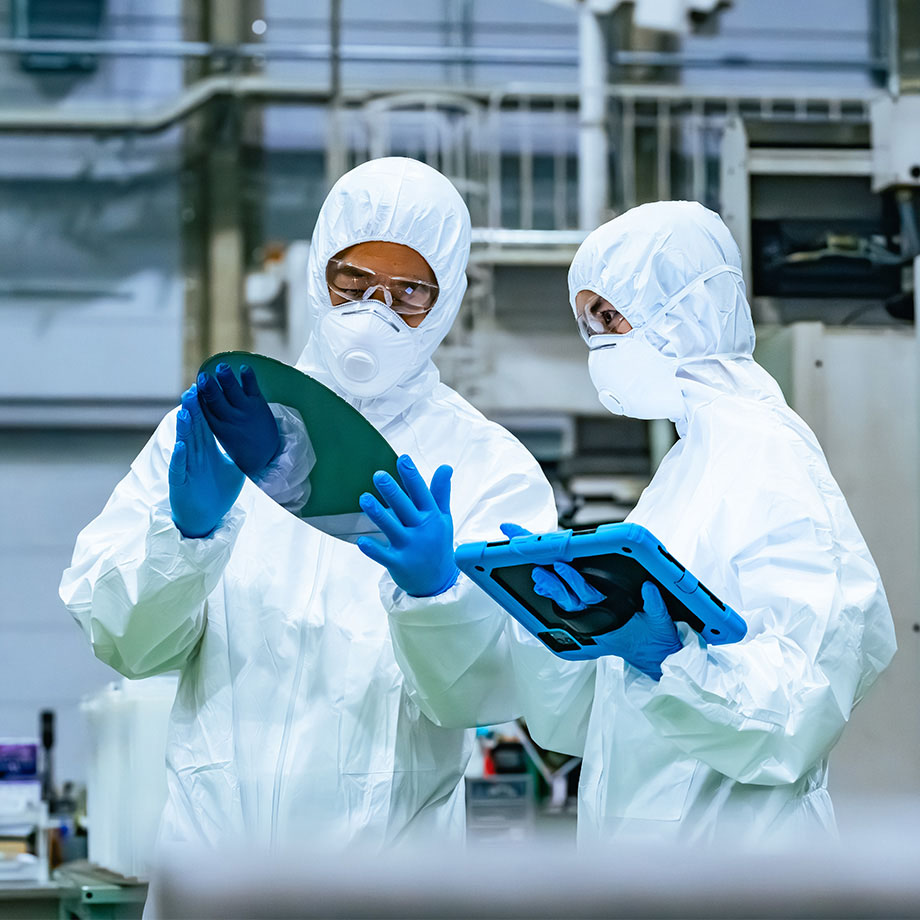
Semiconductor and electronics industry
• Cryogenic processes
• Special gases
• Vacuum and cleanroom applications
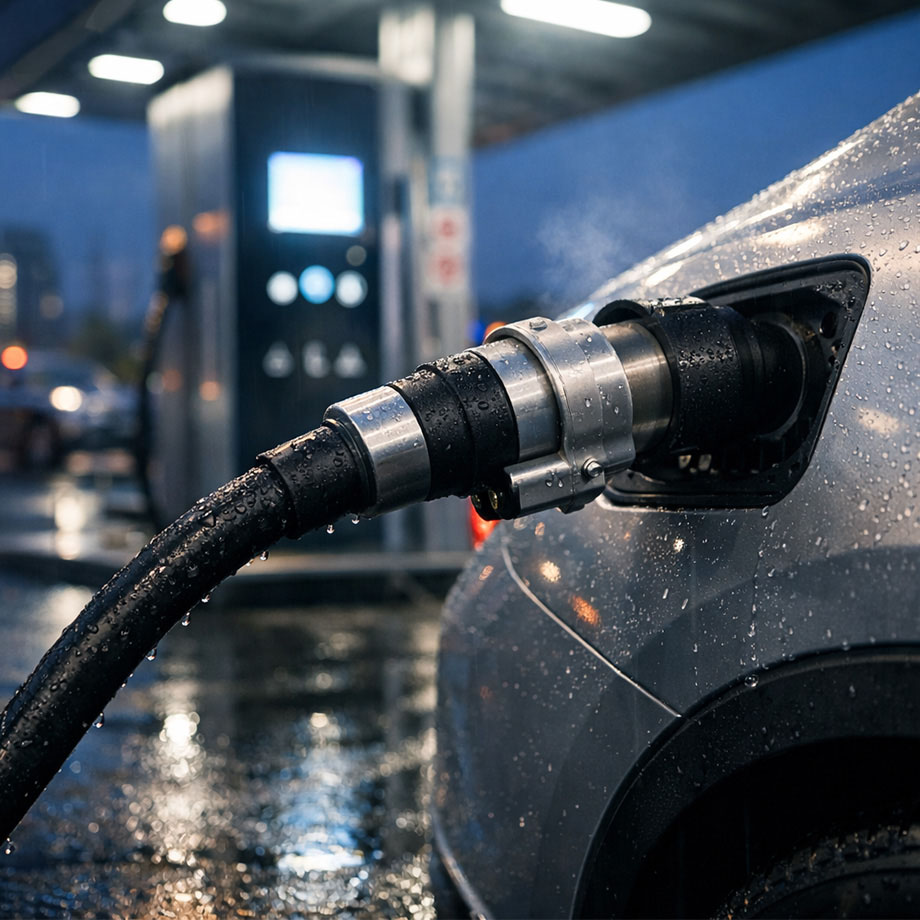
Automotive and mobility industry
• Fuel cell vehicles
• Hydrogen storage
• Refueling systems
• Test stands

Verteidigung und Sicherheitstechnik
- Gekühlte Infrarot-Sensoren
- gekühlte Detektoren,
- Supraleitende Sensorik für Magnetfeldmessung
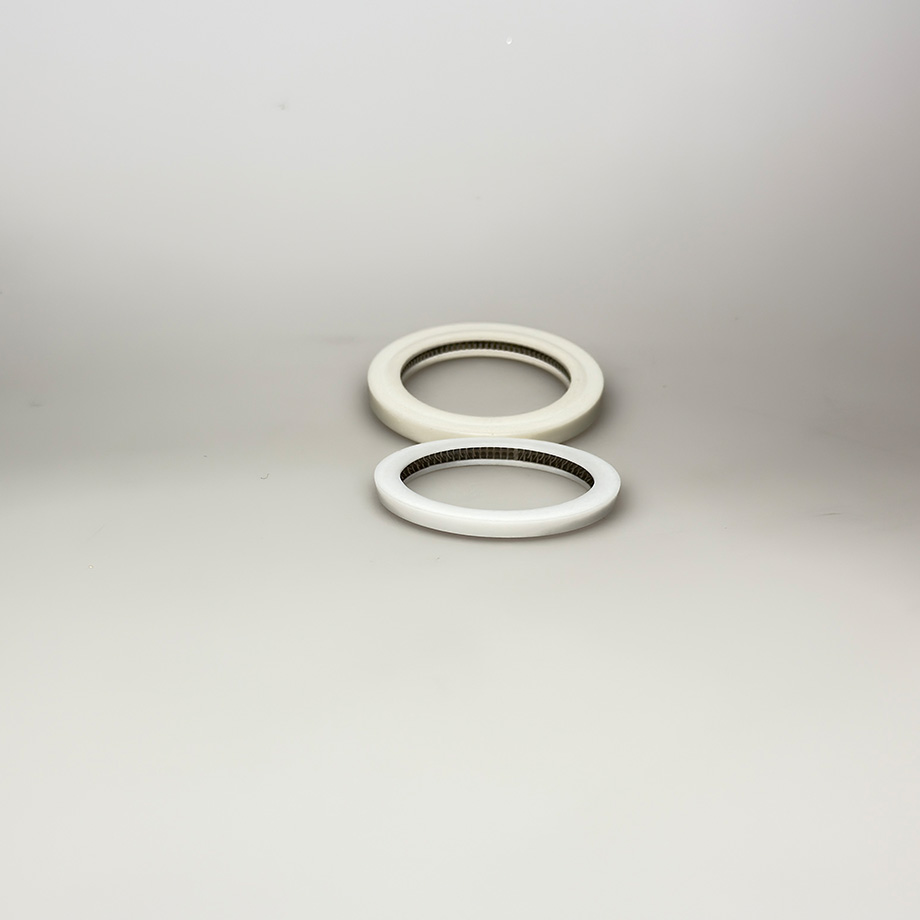
Suitable plastics for cryogenic applications
Only selected high-performance polymers, also known as cryogenic polymers, are suitable for seals in extreme low-temperature environments. The choice of material must always be based on the specific application. Therefore, we require as much information as possible about the application in order to make a reliable recommendation.

PTFE (polytetrafluoroethylene)
PTFE is considered the benchmark material for low-temperature seals. It remains tough even at temperatures below −200 °C and has almost universal chemical resistance. Due to its very low coefficient of friction, PTFE is used for seals, slide guides, and tank linings.
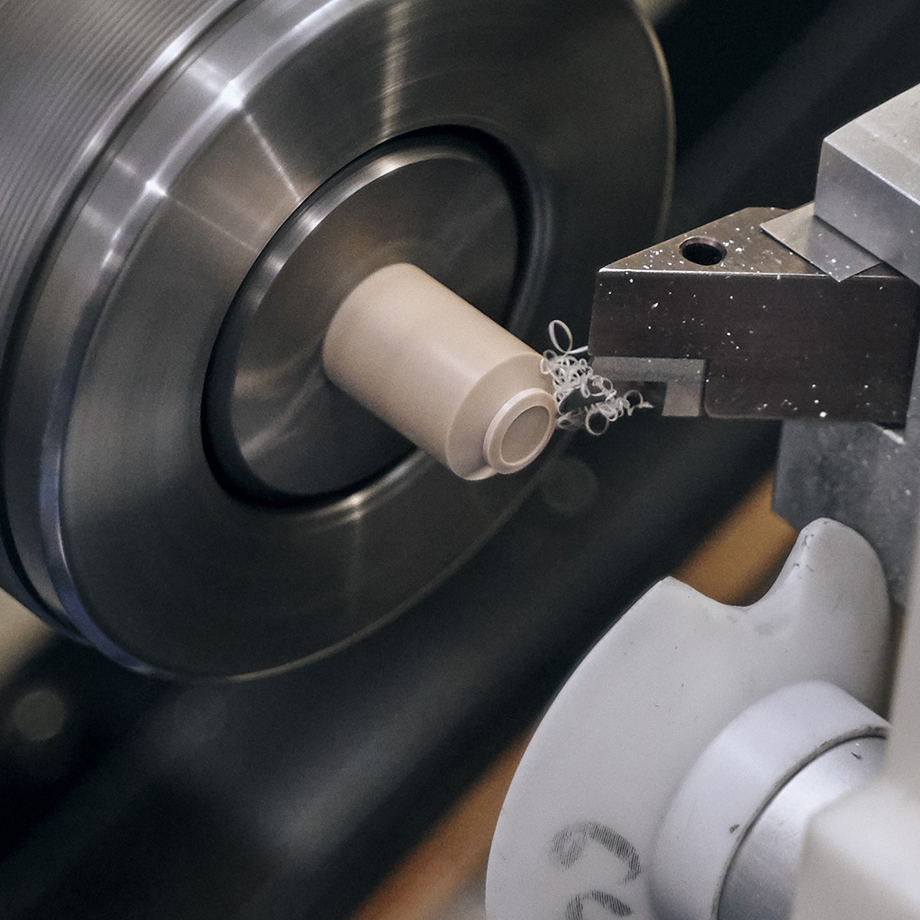
PEEK (polyether ether ketone)
PEEK combines high strength with chemical resistance. The material remains structurally resilient even at cryogenic temperatures. It is used for pump components, bearings, and load-bearing structural parts. Specially modified “cryo-PEEK” types can further improve low-temperature performance.
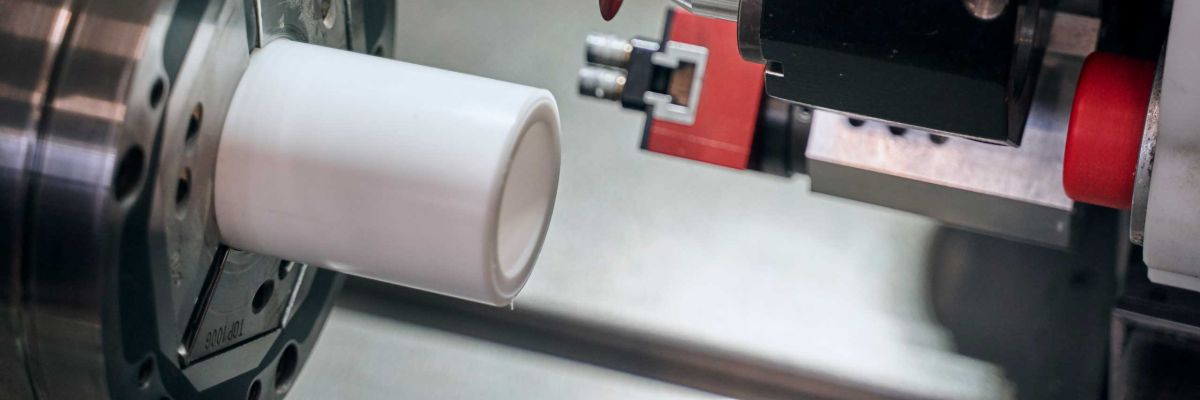
PCTFE (polychlorotrifluoroethylene)
PCTFE is characterized by very low moisture absorption and low gas permeation. It is stiffer than PTFE and offers high dimensional stability at low temperatures. This makes PCTFE particularly suitable for valve seats and sealing components in LOX, LH₂, or LNG systems. Its low cold flow tendency ensures stable sealing performance over repeated temperature changes. Its high impermeability ensures absolutely safe systems.
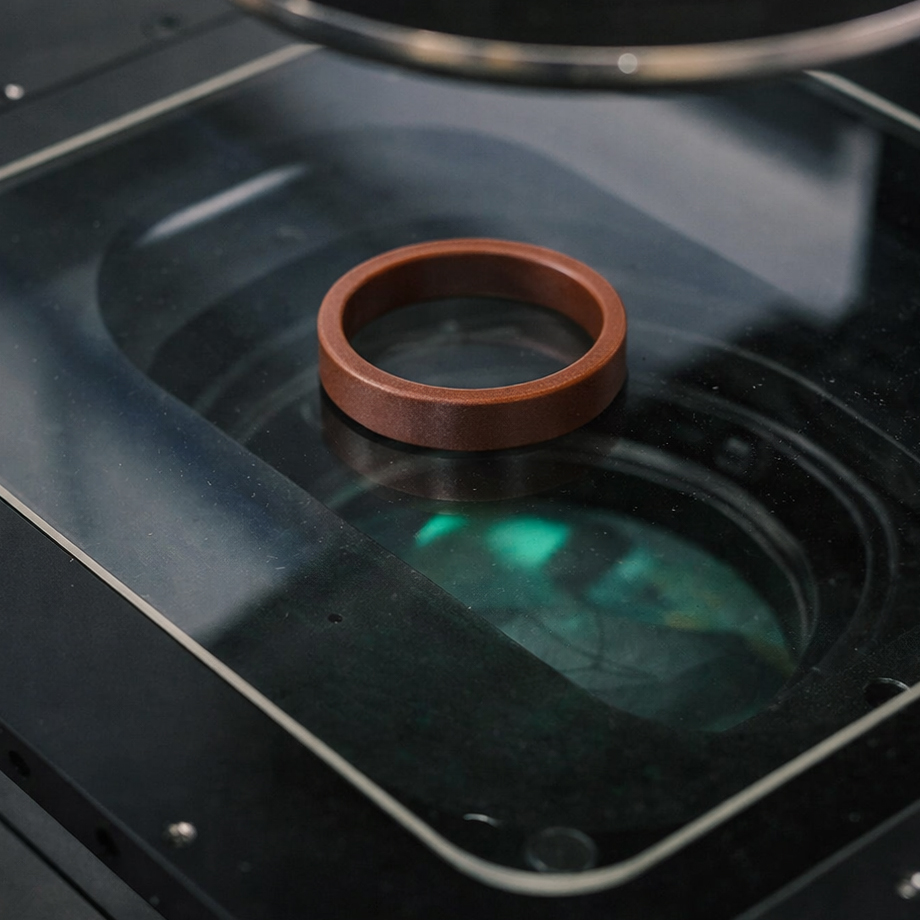
Polyimides (PI) and PAI
Polyimides and polyamide-imides offer high structural strength and excellent electrical insulation. They are used in superconducting magnets, high-voltage applications, and heavily loaded bearings. Their advantage lies in their wide temperature range, which includes both high and very low temperatures.
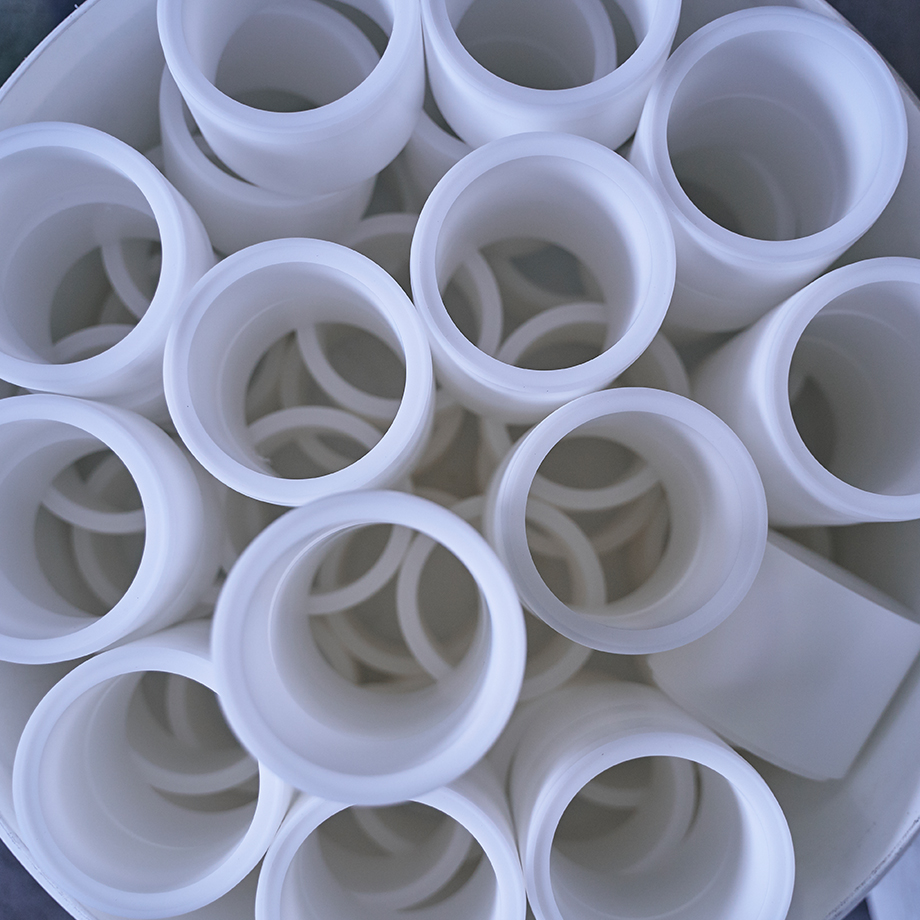
UHMW-PE (ultra-high molecular weight polyethylene)
UHMW-PE (PE1000) remains tough even at extremely low temperatures. At the same time, it is abrasion-resistant and achieves excellent friction coefficients. Typical applications include guides or sliding elements in cryogenic systems.
Advantages of high-performance plastics over metals
Metals often lose their toughness at very low temperatures and can break brittlely. In addition, plastics conduct heat and electricity significantly less efficiently than metals. In superconducting systems or sensor applications, this has a targeted insulating effect and prevents unwanted energy losses. Plastics are therefore essential for sealing and guide elements in cryogenic applications.
Advantages of high-performance polymers at a glance:
Lightweight
Excellent gliding and wear properties
Thermal and electrical insulation
Corrosion resistance
Flexible manufacturing processes such as CNC machining and 3D printing
Requirements for seals in cryogenics
Seals in cryogenic systems are absolutely essential and critical to safety. The requirements for the material and the sealing element itself are correspondingly high.
Ductility
Materials must not become brittle at temperatures below −150 °C. Seals can be exposed to pressure surges, and the onset of embrittlement at low temperatures is a problem and can lead to microcracks. Appropriately modified polymers prevent this, ensuring that they remain sufficiently tough even at low temperatures. At the same time, bending and compressive strengths as well as surface hardness increase, which in turn leads to less wear. This clearly shows how essential the choice of material is for cryogenic seals.
Chemical resistance
Liquid hydrogen, oxygen, or LNG have a chemically and physically damaging effect on the plastic part.
Low friction and wear resistance
Valve seats, plain bearings, and other sealing elements often operate without external lubrication. A low coefficient of friction reduces starting torques and minimizes wear, especially during temperature changes.
Dimensional stability and low cold flow tendency
Seals for cryogenic technology can be exposed to both very high and very low temperatures. This is particularly often the case in space travel. In addition, there is a vacuum atmosphere. Such large temperature changes lead to high expansion and contraction of the seals. The right cryogenic polymer with the lowest possible coefficient of linear thermal expansion (CLTE) ensures high dimensional stability. In addition, the design of the cryogenic seal determines its function. The right design can specifically compensate for linear expansion.
Hänssler – Entwicklungspartner für Dichtungen in kryogenen Anlagen und Systemen
Die Auswahl des richtigen Werkstoffs ist nur ein Teil der Entwicklung und Fertigung von Dichtungen für kryogene Anwendungen. Neben fundiertem Werkstoffwissen ist es entscheidend, die Auswirkungen von Tieftemperaturen auf Dichtelement und Einbausituation im Detail zu verstehen. Daher sollten Dichtungen für kritische Kryotechnik-Anwendungen gemeinsam von einem Kryotechnik-Experten und einem Kunststoff-Experten entwickelt werden.
Genau hier setzt unser Entwicklungspartneransatz an: Wir bringen unser Kunststoff- und Dichtungsknow-how ein und kombinieren es mit Ihrem Wissen über das geplante oder bestehende kryotechnische System. So legen wir gemeinsam den geeigneten Werkstoff sowie die passende Dichtungsgeometrie und Auslegung inklusive Toleranzen fest. Anschließend fertigen wir einen ersten Prototyp, der bei kritischen Anwendungen zwingend auf einem Prüfstand validiert werden sollte. Bei erfolgreichen Tests überführen wir die Dichtung in die Serienfertigung.
Fertigung von Kryodichtungen
Die Fertigung, Prüfung und das Handling von Tieftemperatur-Dichtungen ist sehr speziell und unterscheidet sich deutlich zu Dichtungen die konventionell eingesetzt werden. Kleinste Kratzer, Maßabweichungen oder Oberflächendefekte, sorgen bei Temperaturen unter 50 °C bereits für Leckagen und Funktionsausfälle. Nahezu unsichtbare Oberflächendefekte die bei -20°C keinerlei Relevanz haben, können bei −269 °C zum Totalausfall führen. Hänssler hat jahrzehntelange Erfahrung im Umgang mit Dichtungen bei der Herstellung bis zur Verpackung/Versand und versteht sich als verlässlicher Partner für höchst anspruchsvolle Anwendungen. Dichtungselemente aus Tieftemperaturkunstoffen sind täglich in der hochmodernen Fertigung von Hänssler anzutreffen und der State of the Art Maschinenpark ist speziell drauf ausgerichtet.
Häufig gestellte Fragen zu Tieftemperatur-Dichtungen
Tieftemperatur- oder Kryo-Dichtungen sind speziell entwickelte Dichtungssysteme für Anwendungen bei extrem niedrigen Temperaturen von –40 °C bis unter –269 °C. Sie werden eingesetzt, um tiefkalte Medien wie LNG (Liquefied Natural Gas), Flüssigstickstoff (LIN), Flüssigsauerstoff (LOX) oder Flüssigwasserstoff (LH₂) sicher abzudichten. Im Gegensatz zu Standarddichtungen sind Kryo-Dichtungen so konstruiert, dass sie Materialversprödung, thermische Schrumpfung und Elastizitätsverlust kompensieren
Standard-Elastomerdichtungen verlieren bei niedrigen Temperaturen ihre Flexibilität, da sie den sogenannten Glasübergangspunkt erreichen. Das Material wird hart und spröde, wodurch Dichtkräfte verloren gehen und Leckagen entstehen können. Zudem schrumpfen Werkstoffe bei Kälte unterschiedlich stark, was zu Spaltbildung im Dichtsystem führt.
Für Kryo-Dichtungen kommen vor allem Hochleistungskunststoffe wie PTFE (reines oder gefülltes PTFE), PCTFE, UHMW-PE oder spezielle KRYO-PEEK-Typen zum Einsatz. Diese Materialien zeichnen sich durch niedrige Glasübergangstemperaturen und geringe Versprödungsneigung aus.
Bei extrem niedrigen Temperaturen schrumpfen alle Materialien – jedoch in unterschiedlichem Maße. Kunststoffe wie PTFE weisen eine deutlich höhere Schrumpfungsrate auf als Metalle wie Edelstahl. Diese Differenzen können zu Undichtigkeiten führen, wenn die Dichtgeometrie nicht entsprechend ausgelegt ist.
Kryo-Dichtungen werden unter realen Betriebsbedingungen getestet. Dazu zählen Helium-Lecktests bei –196 °C, Thermozyklustests sowie Druckwechselprüfungen. Diese Tests stellen sicher, dass die Dichtung auch unter extremen Temperatur- und Druckbedingungen zuverlässig funktioniert.
Hänssler Kunststoff- und Dichtungstechnik konstruiert und fertigt maßgeschneiderte Komponenten für kryogene Anwendungen, abgestimmt auf Medium, Temperaturbereich und Belastung. Anfragen können per E-Mail, Telefon oder über das Kontaktformular gestellt werden.