 Scrapers
 Rod seals
 Piston Seals
 Guide rings
 Back-Up rings
 O-Rings / X-Rings
 Flat seals
 Spring-loaded seals
 Radial shaft seals
 Rotary seals
 High pressure seals
 Sealing sets
 O-ring measuring towers
 Turned parts
 Milled parts
 Turned and milled parts
 Bushes or bearings


 Large format 3D printing
 Post-processing of 3D printed parts
 Heat-resistant 3D printed components
 Plastic Components with Flame Retardancy





Plastic components for cryogenic applications
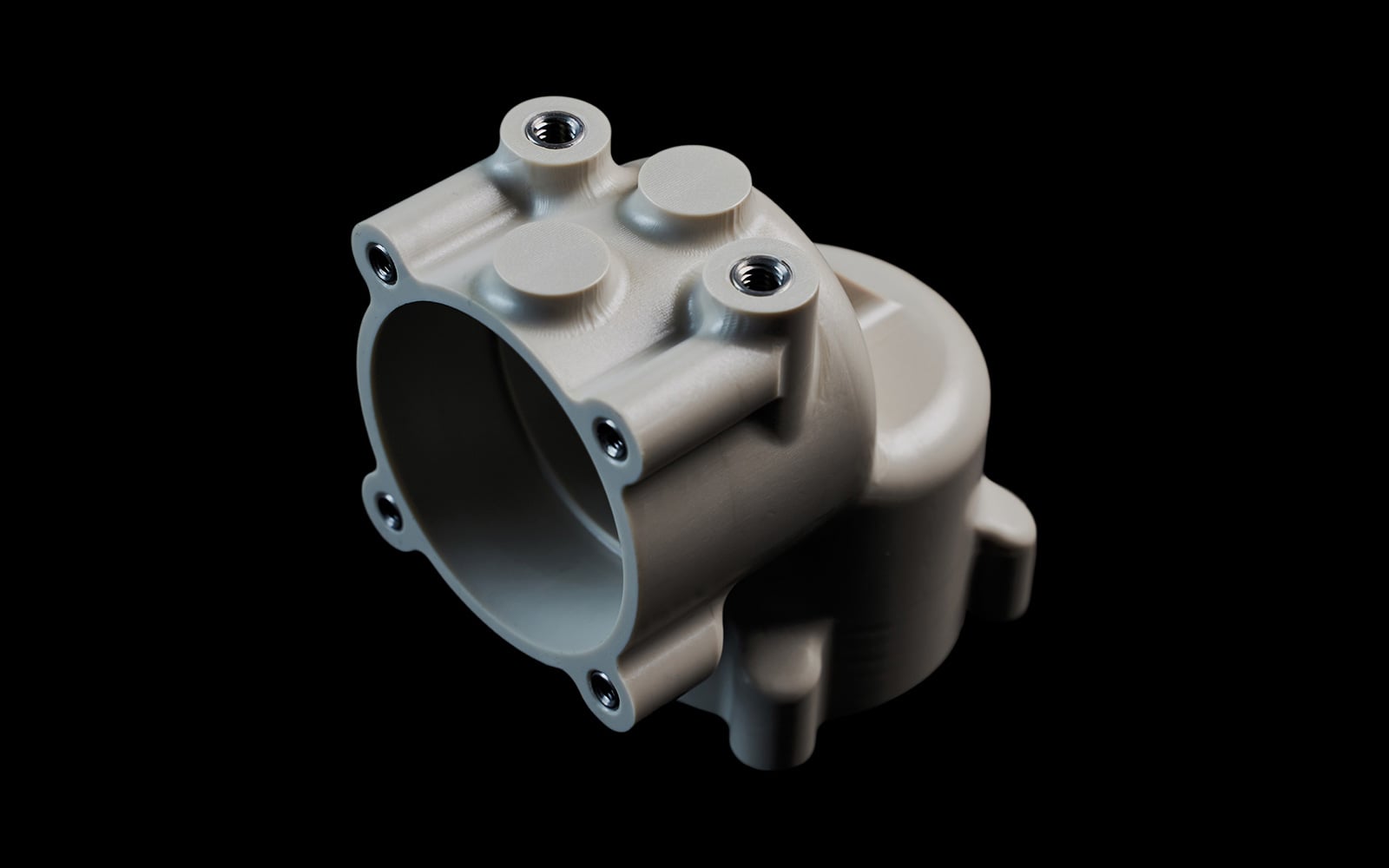
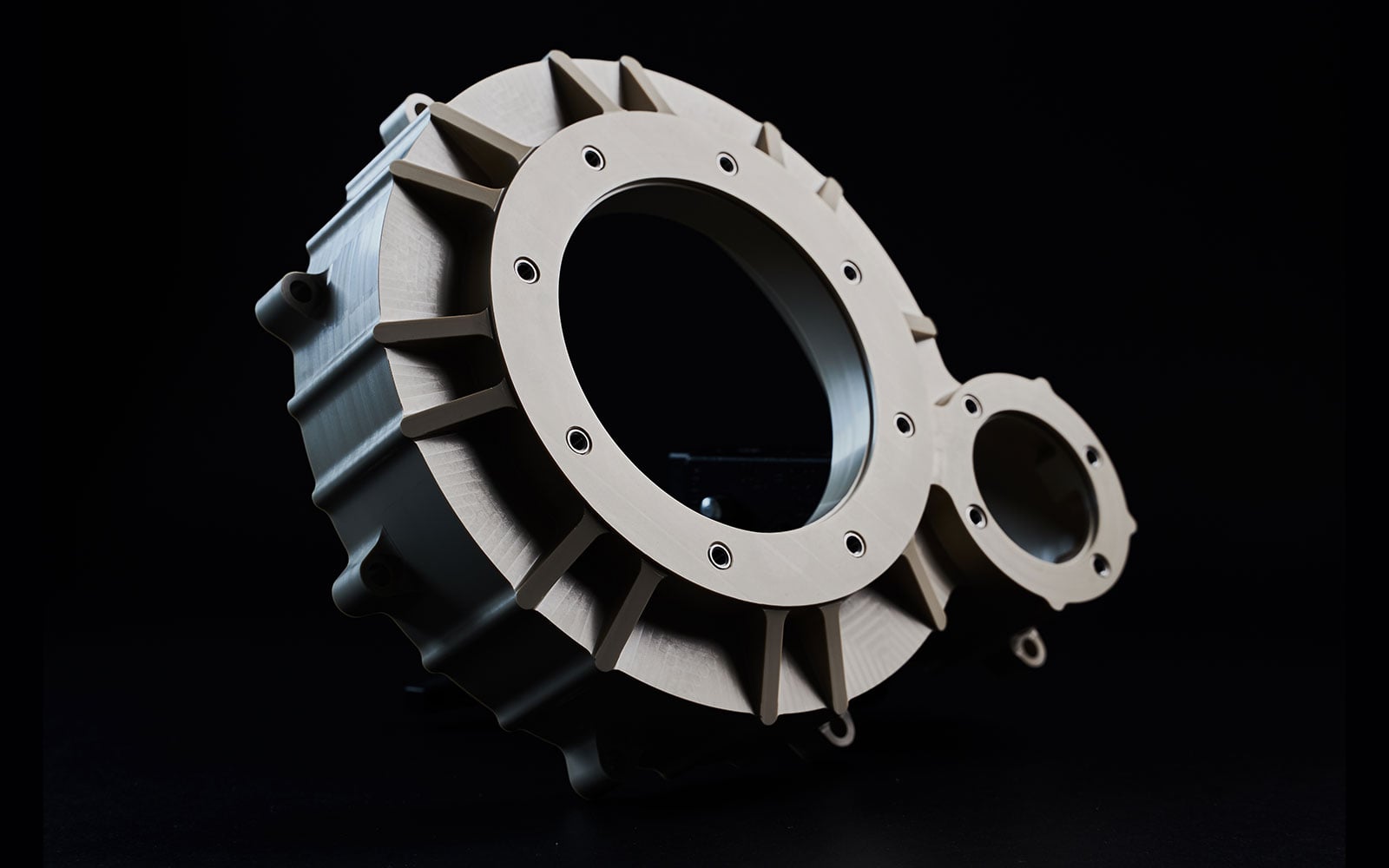
Deflection gearbox made of PEEK
We produce and develop plastic parts for low-temperature applications that are used in technical systems in the hydrogen economy, the LNG industry, aerospace, and other key industries. We use high-performance plastics to ensure safe and long-term consistent function even at temperatures below −250 °C. In addition, we specifically design our plastic parts for such low-temperature environments and consider the effect on geometry, lubrication, and dimensional stability.

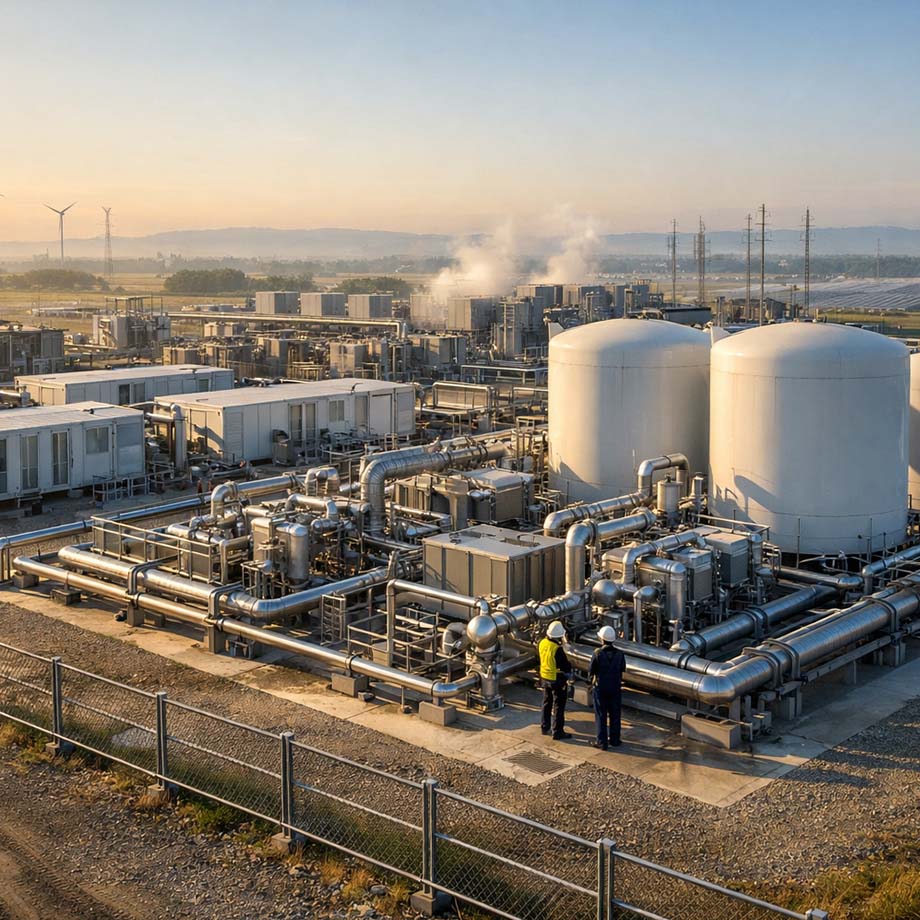
Hydrogen economy
One of the fastest growing fields in cryogenics.
- Hydrogen liquefaction
- Storage and transport of LH₂
- Hydrogen filling stations
- Energy generation and storage

Aerospace
Historically one of the most important fields of application.
- Rocket engines
- Fuel systems
- Satellites and spacecraft
- Test stands and ground systems

LNG industry
Transport and use of liquefied natural gas.
• LNG terminals
• Liquefaction plants
• Transport and storage facilities
• Maritime applications (LNG ships)
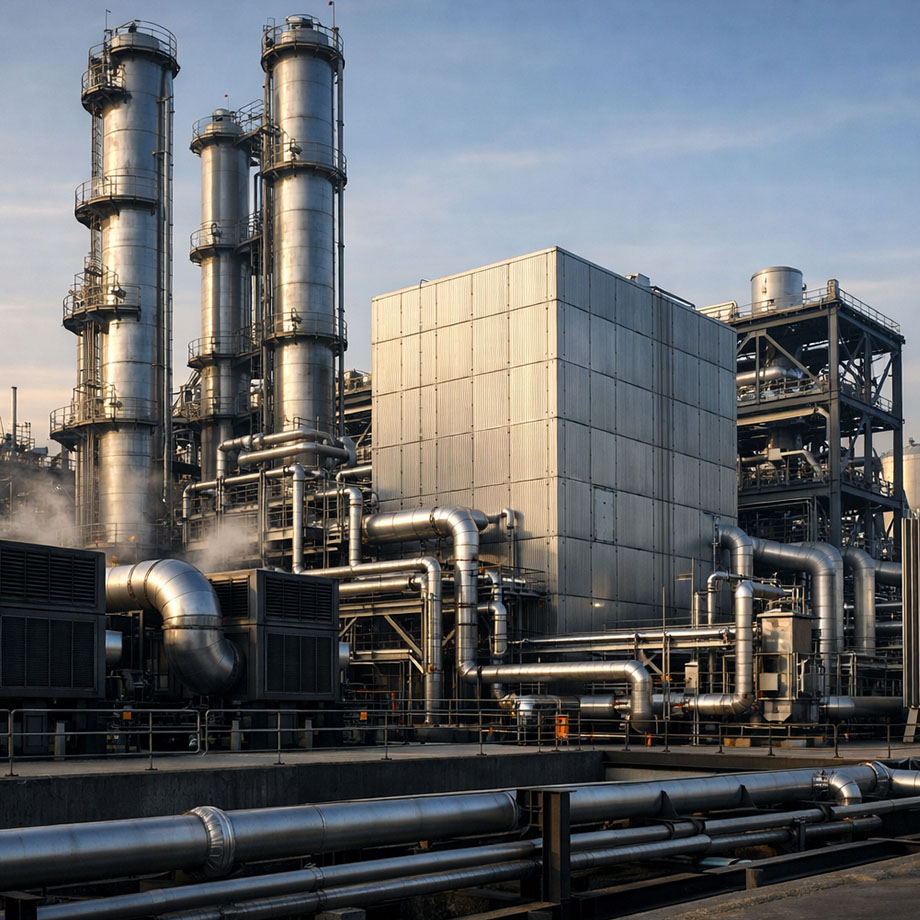
Chemical and process industry
• Gas liquefaction
• Cryogenic separation
• Special processes with cryogenic media
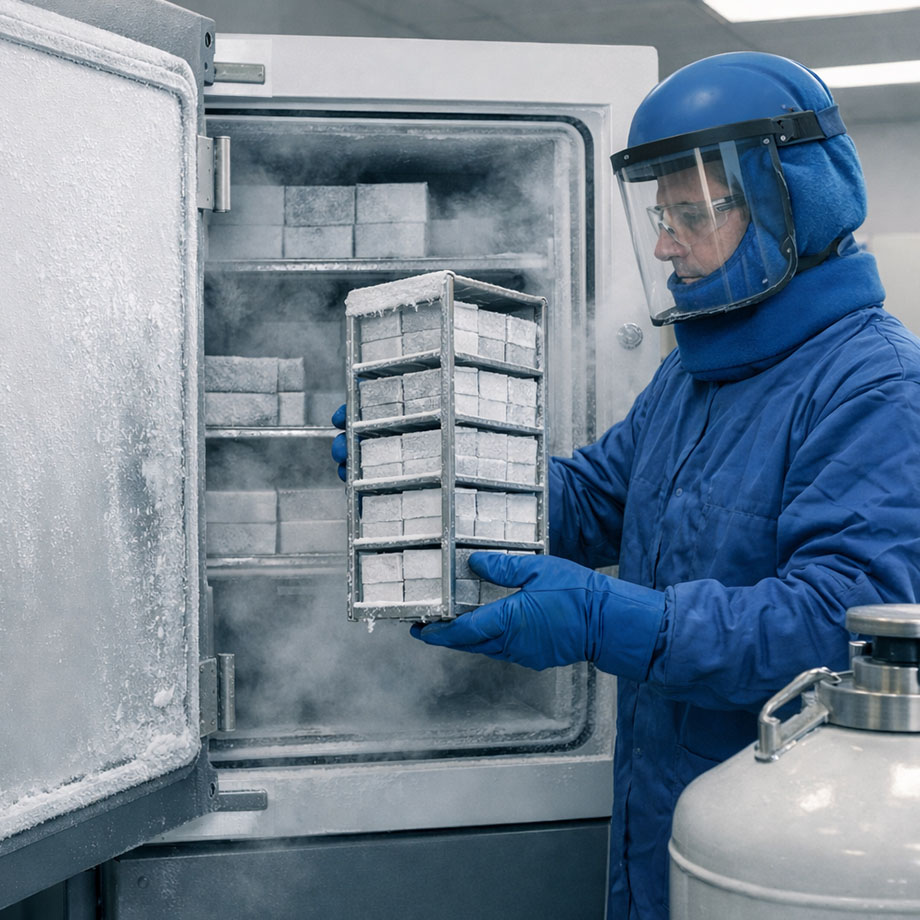
Medical technology and life sciences
• Cryopreservation
• Storage of biological samples
• MRI and magnetic systems (helium)

Research and large research facilities
• Particle accelerators
• Cryostats
• Superconducting magnets
• Materials research
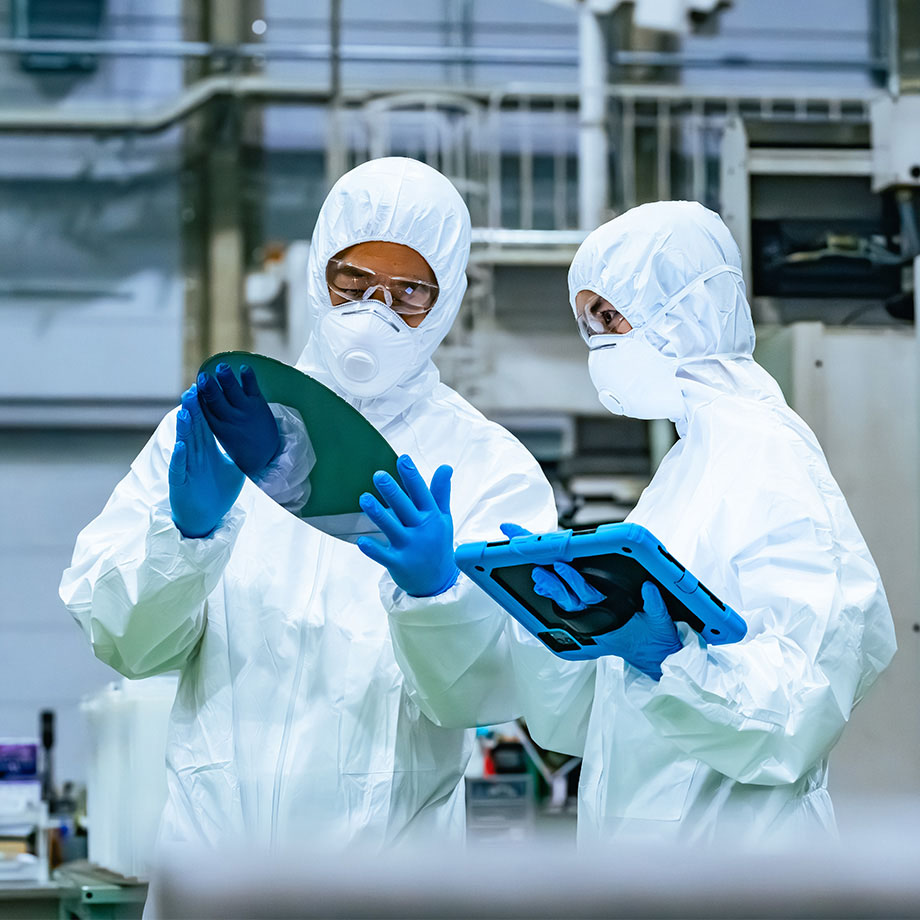
Semiconductor and electronics industry
• Cryogenic processes
• Special gases
• Vacuum and cleanroom applications

Automotive and mobility industry
• Fuel cell vehicles
• Hydrogen storage
• Refueling systems
• Test sites

Defense and security technology
- Cooled infrared sensors
- Cooled detectors
- Superconducting sensors for magnetic field measurement
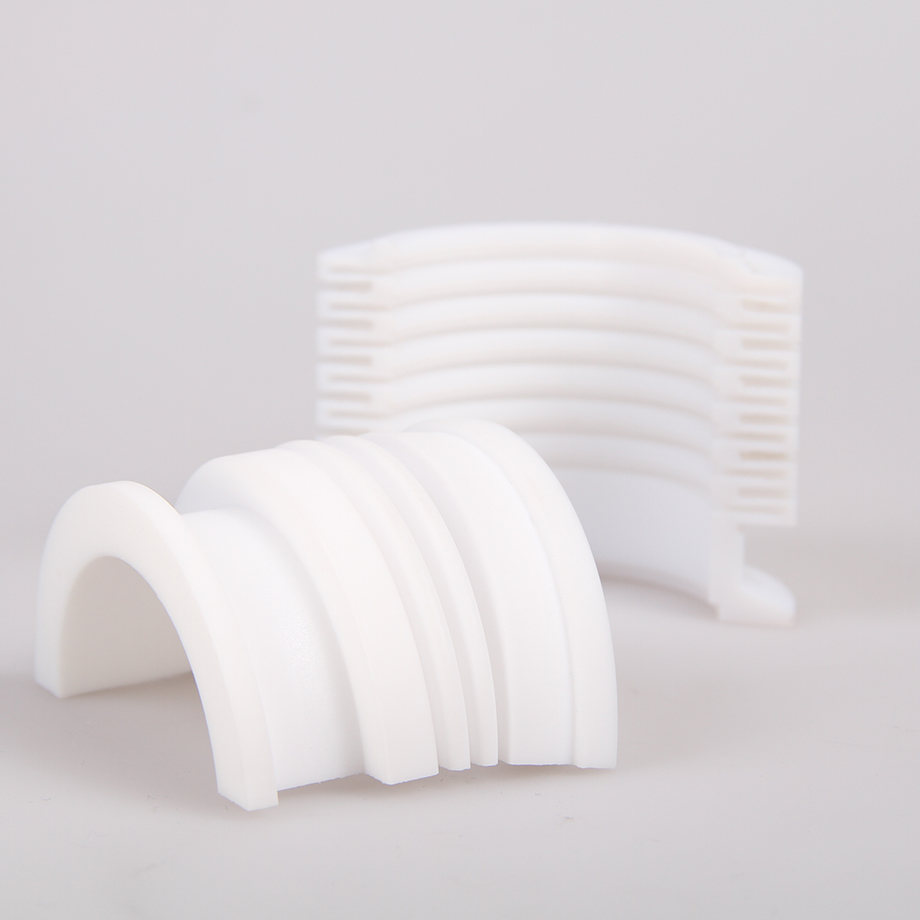
PTFE (polytetrafluoroethylene)
PTFE is considered the benchmark material for cryogenic seals. It remains tough even at temperatures below −200 °C and has almost universal chemical resistance. Due to its very low coefficient of friction, PTFE is used for seals, slide guides, and tank linings.
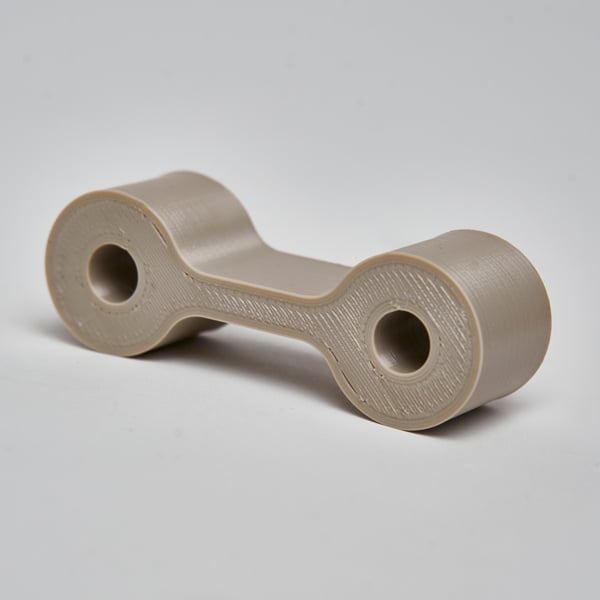
PEEK (polyether ether ketone)
PEEK combines high strength with chemical resistance. The material remains structurally resilient even at cryogenic temperatures. It is used for pump components, bearings, and load-bearing structural parts. Specially modified “cryo-PEEK” types can further improve low-temperature performance.
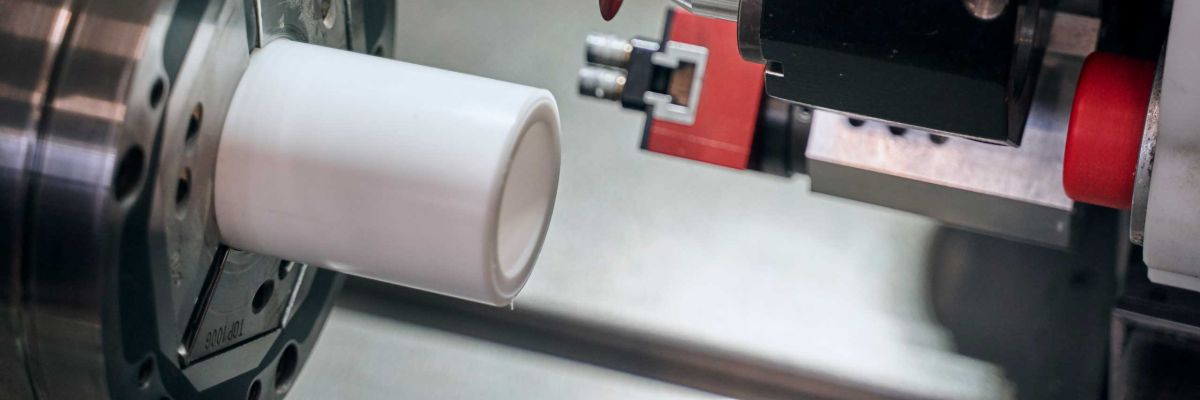
PCTFE (polychlorotrifluoroethylene)
PCTFE is characterized by very low moisture absorption and low gas permeation. It is stiffer than PTFE and offers high dimensional stability at low temperatures. This makes PCTFE particularly suitable for valve seats and sealing components in LOX, LH₂, or LNG systems. Its low cold flow tendency ensures stable sealing performance over repeated temperature changes. Its high impermeability ensures absolutely safe systems.

Polyimides (PI) and PAI
Polyimides and polyamide-imides offer high structural strength and excellent electrical insulation. They are used in superconducting magnets, high-voltage applications, and heavily loaded bearings. Their advantage lies in their wide temperature range, which includes both high and very low temperatures.
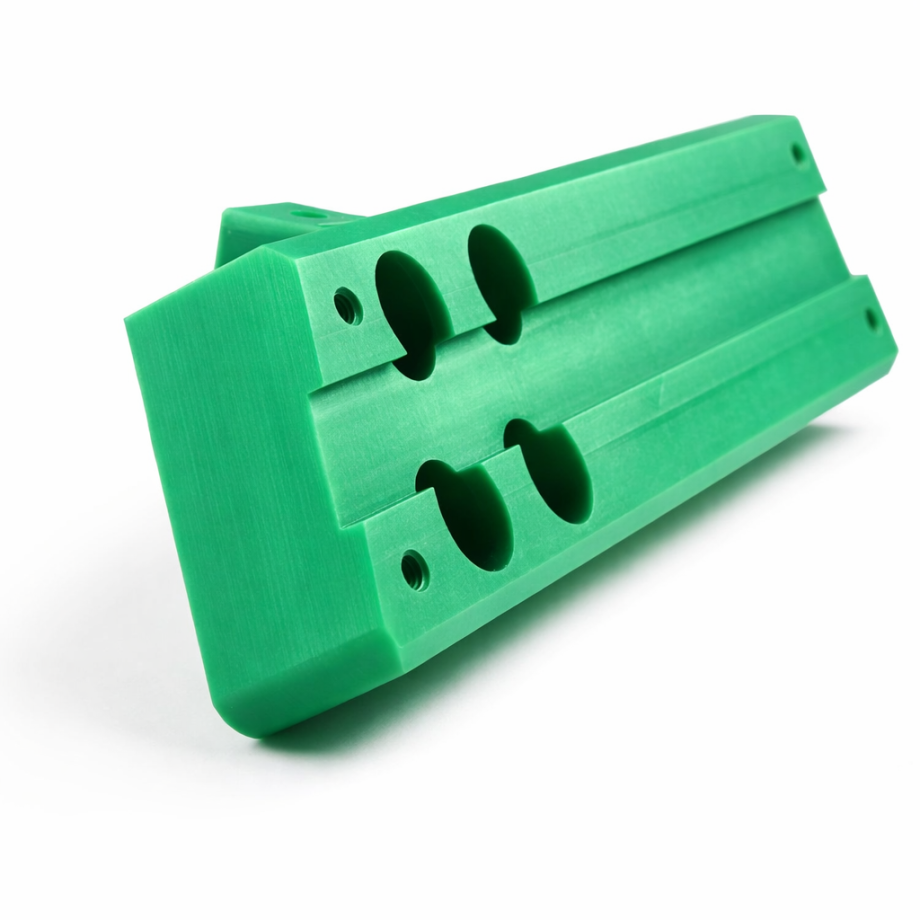
UHMW-PE (ultra-high molecular weight polyethylene)
UHMW-PE (PE1000) remains tough even at extremely low temperatures. At the same time, it is abrasion-resistant and achieves excellent friction coefficients. Typical applications include guides or gliding elements in cryogenic systems.