 Scrapers
 Rod seals
 Piston Seals
 Guide rings
 Back-Up rings
 O-Rings / X-Rings
 Flat seals
 Spring-loaded seals
 Radial shaft seals
 Rotary seals
 High pressure seals
 Sealing sets
 O-ring measuring towers
 Turned parts
 Milled parts
 Turned and milled parts
 Bushes or bearings


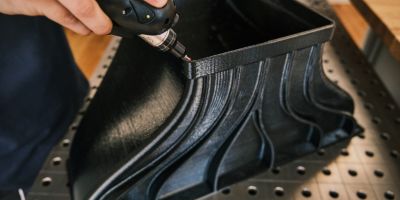
 Large format 3D printing
 Post-processing of 3D printed parts
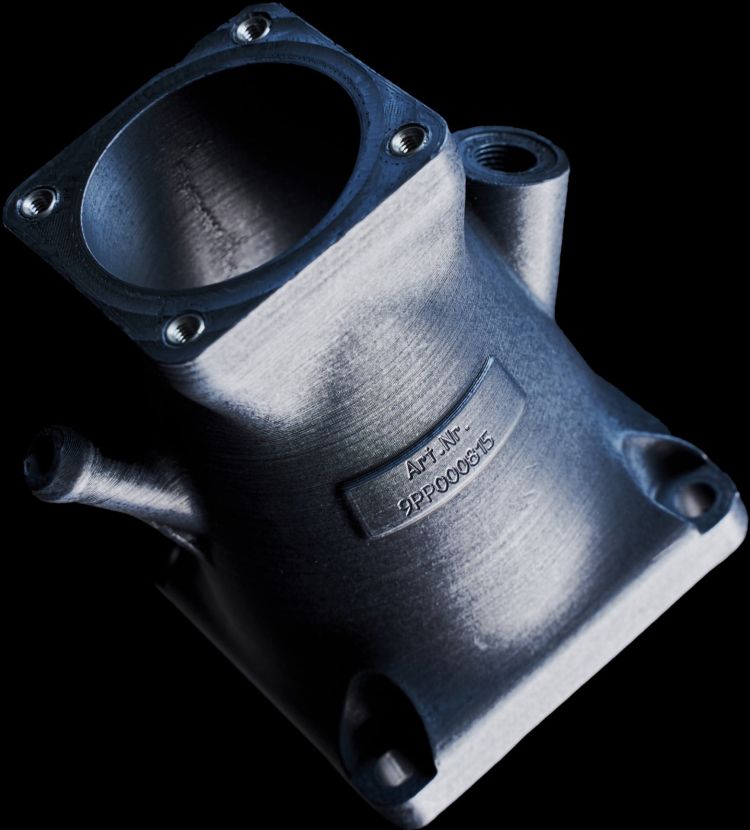
 Heat-resistant 3D printed components






DIN EN 45545-2

FAR 25.853
In aerospace, FAR 25.853 specifies the criteria for combustible materials in aircraft cabins. Here as well, minimizing flame spread and smoke generation is of decisive importance. Within FAR 25.853, there are different test classes and classifications, depending on the type, installation location, and function of the plastic in the aircraft. Compliance is verified via specific fire tests with defined threshold values.

Materials with Flame Retardancy
Selecting the right materials is crucial for the safety and reliability of components. Here is an overview of proven flame-retardant plastics:
- PA6: Good price-performance ratio, widely used in mechanical engineering and technical applications.
- PA66: Higher heat resistance and strength than PA6, frequently used in electrical engineering.
- PC: Impact-resistant polycarbonate with 10% glass fiber content, ideal for housings and structurally demanding applications.
- PPS (inherently flame-retardant): Offers very good chemical resistance, used in electronics and automotive engineering.
- PEEK (inherently flame-retardant): High-performance plastic with excellent flame retardancy, extremely temperature-resistant, commonly used in aerospace.
- PPE: Low water absorption and good electrical insulation properties.
- PEI: High-performance plastic with outstanding flame resistance, suitable for demanding applications in electronics and medical technology.
In addition, further polymers are available and can be obtained with corresponding fillers and reinforcing agents such as glass fibers or carbon fibers.
We offer the complete range of manufacturing processes for non-combustible plastic components:
- CNC milling and turning: For precise components made from tested flame-retardant materials.
- 3D printing flame retardants: Especially interesting for prototypes or small batches. Thanks to state-of-the-art processes, UL94V0 plastic 3D printing is now also possible – ideal for rapid implementation of concepts.
- LFAM technology: Large-format 3D printed parts with build envelope of 2500 x 1700 x 950 mm, using flame-retardant plastics and compounds.
Fields of Application
- Rail vehicles: Components according to DIN EN 45545-2
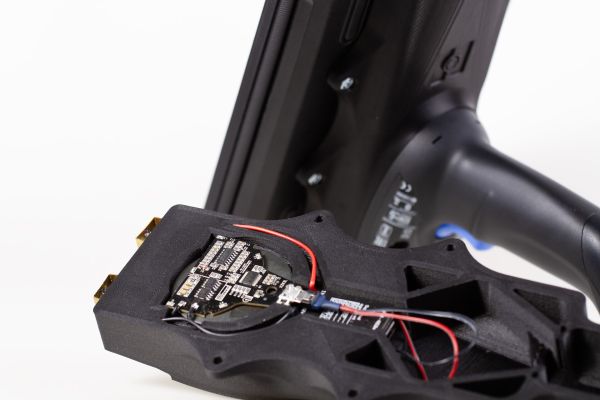
- Electronics: Housings made from UL94V0 plastic
- Aerospace: Parts according to FAR 25.853
- Mechanical engineering: Use of V0 flame-retardant plastics for increased safety
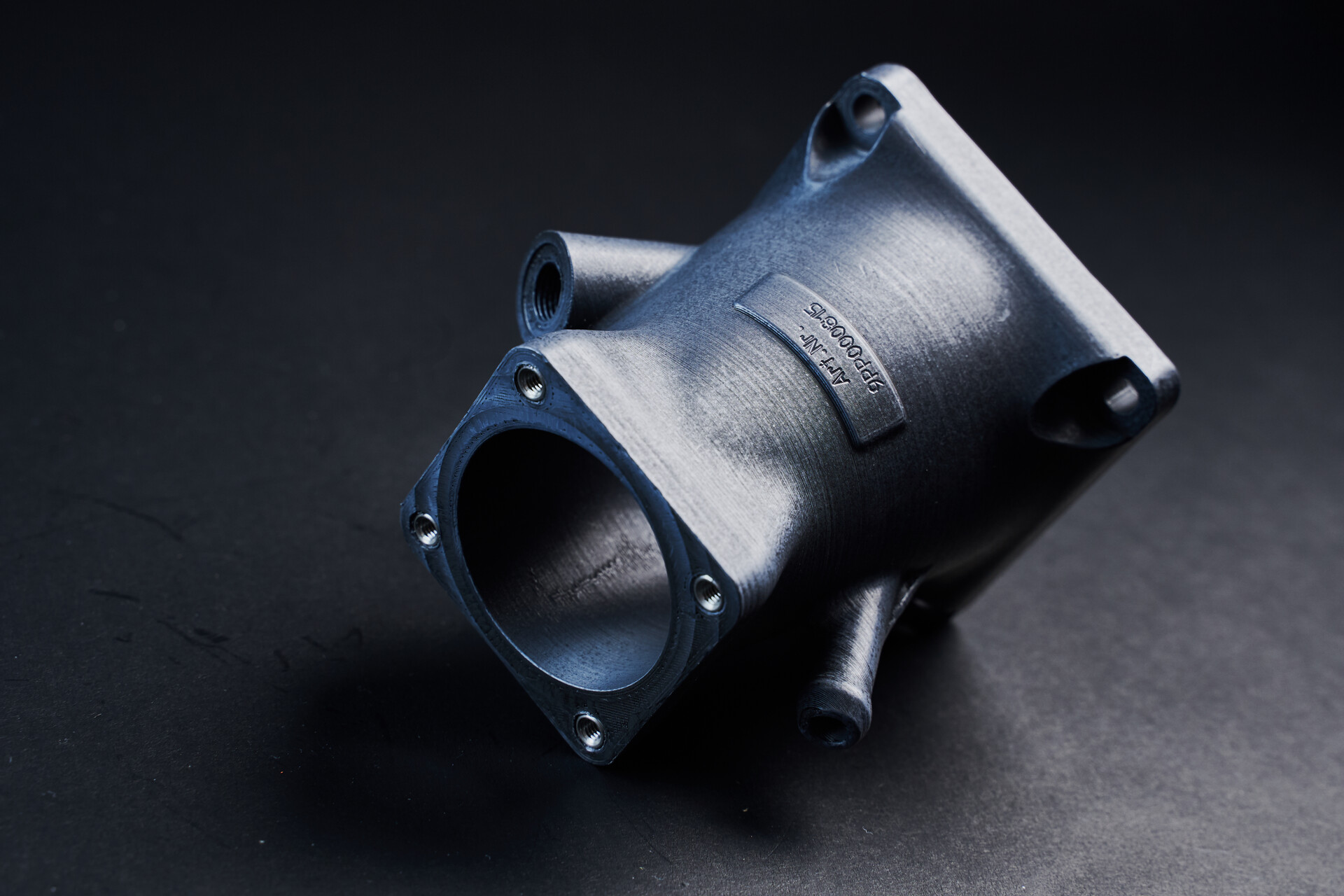
Whether milling, turning or 3D printing – we manufacture flame-retardant plastic components exactly according to the requirements of your sector. By complying with EN 45545-2, UL94V0 and FAR 25.853 we offer solutions that meet the highest safety standards.
Contact us if you are looking for a reliable partner who will develop and produce non-combustible plastic components for your applications together with you.