 Scrapers
 Rod seals
 Piston Seals
 Guide rings
 Back-Up rings
 O-Rings / X-Rings
 Flat seals
 Spring-loaded seals
 Radial shaft seals
 Rotary seals
 High pressure seals
 Sealing sets
 O-ring measuring towers
 Turned parts
 Milled parts
 Turned and milled parts
 Bushes or bearings


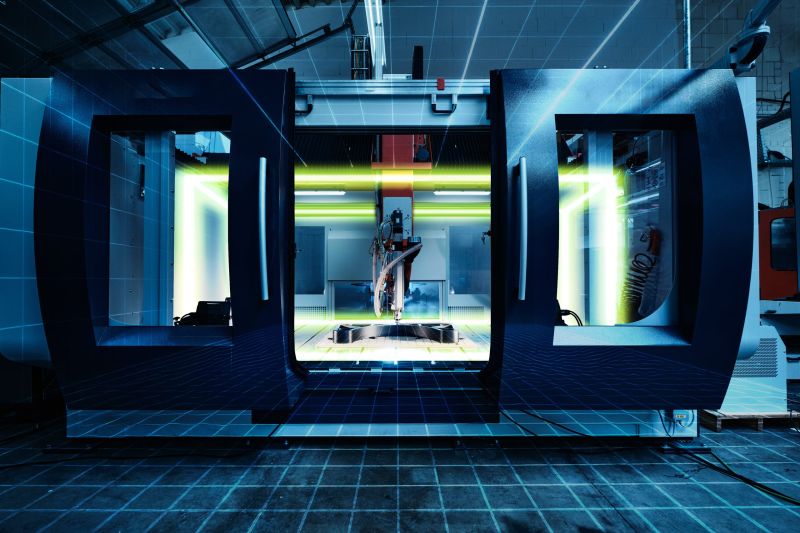
 Large format 3D printing
 Post-processing of 3D printed parts
 Heat-resistant 3D printed components
 Plastic Components with Flame Retardancy





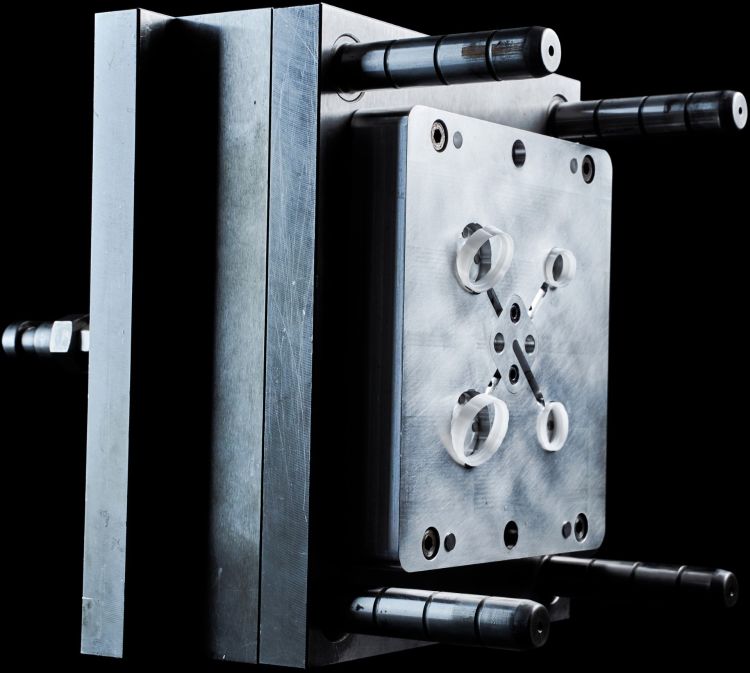
What Does “Transition to the Molded Part” Mean at Hänssler?
We guide your component from the initial idea through a proven prototype to the threshold of series production, then hand it over to a suitable injection-molding partner. Our role is that of the development partner: we clarify material, geometry, and function, then manufacture the part as a turned, milled, or printed component. You can then put that part to the test.
Why Can’t I Just Go Straight to Injection Molding?
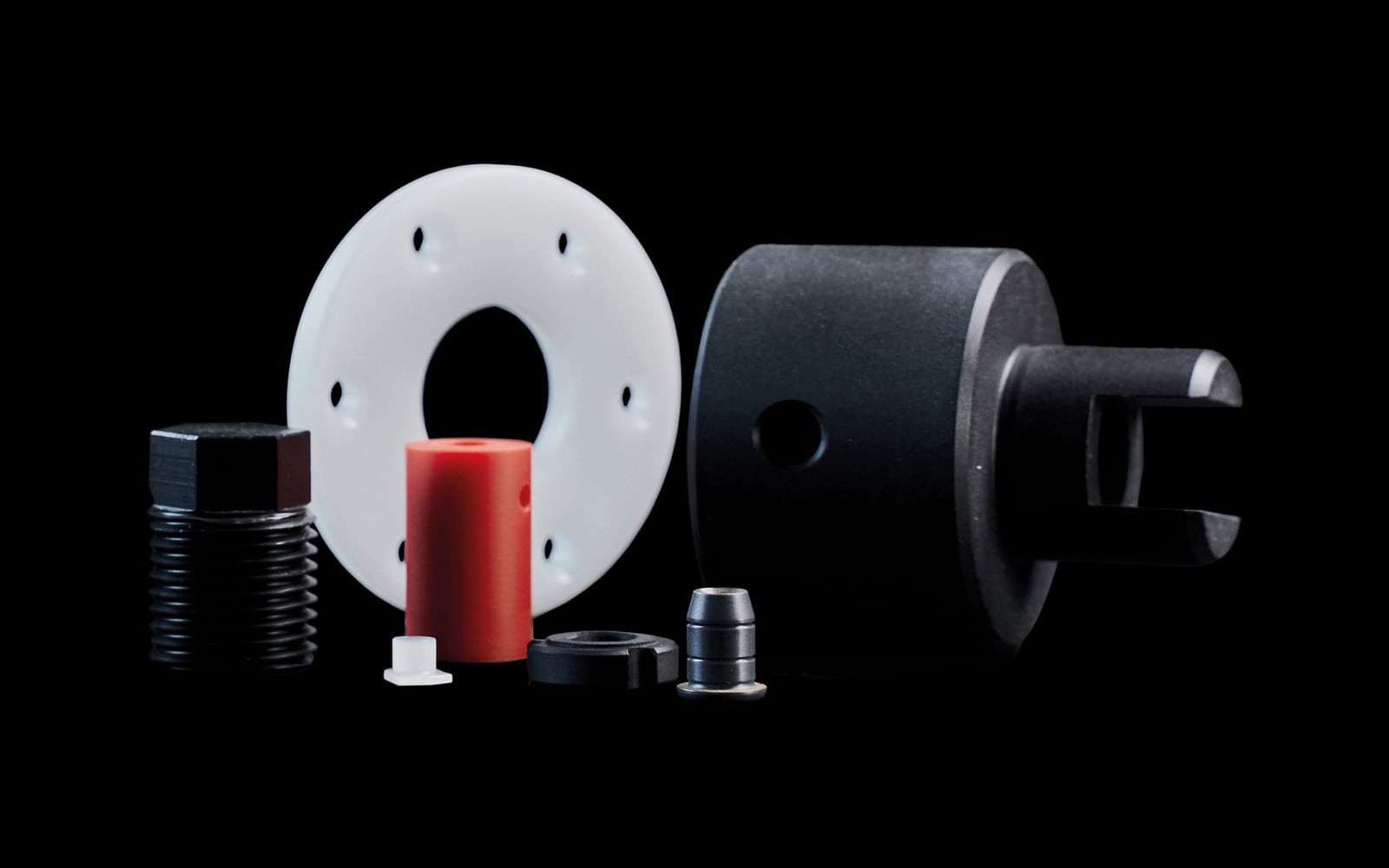
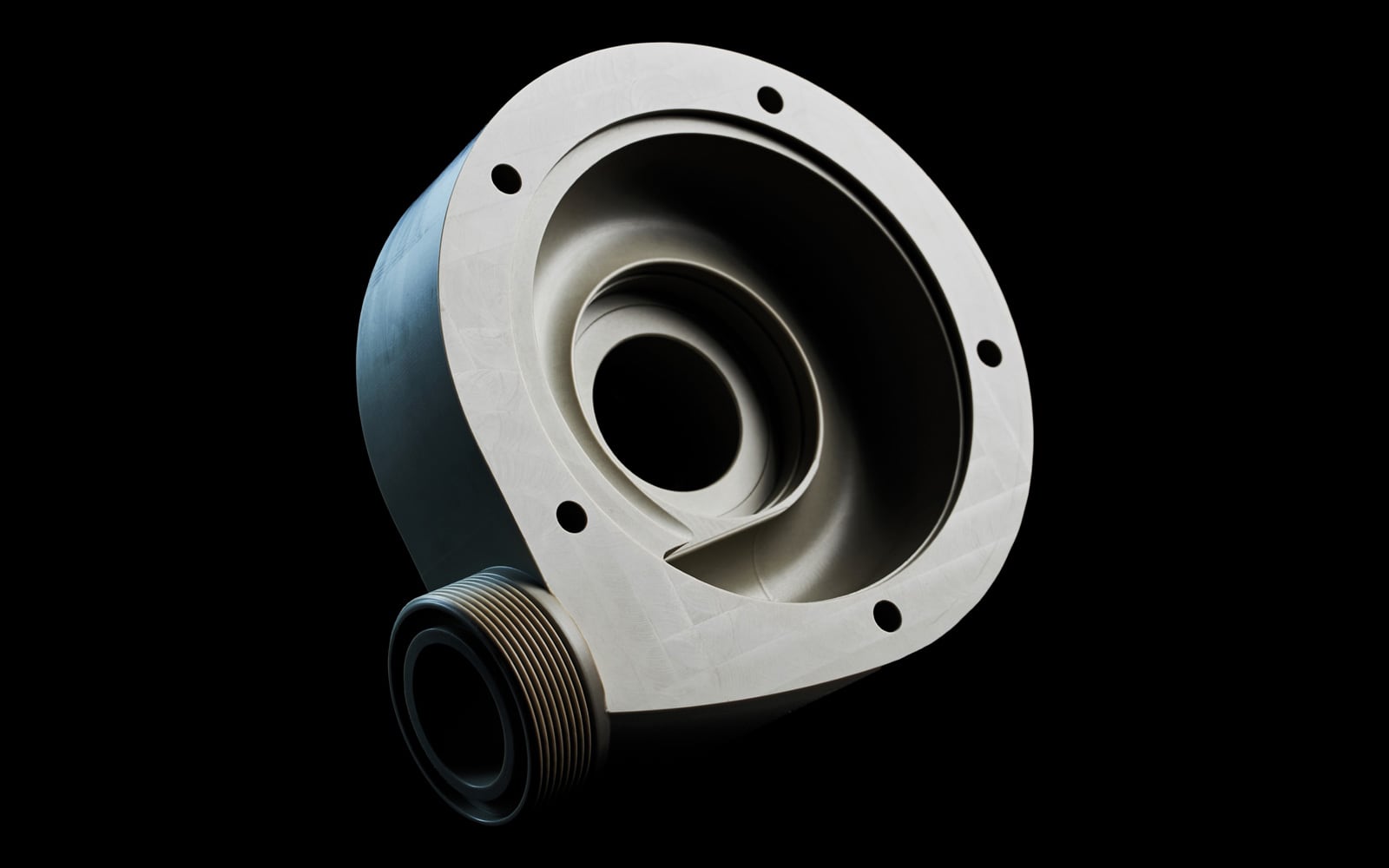
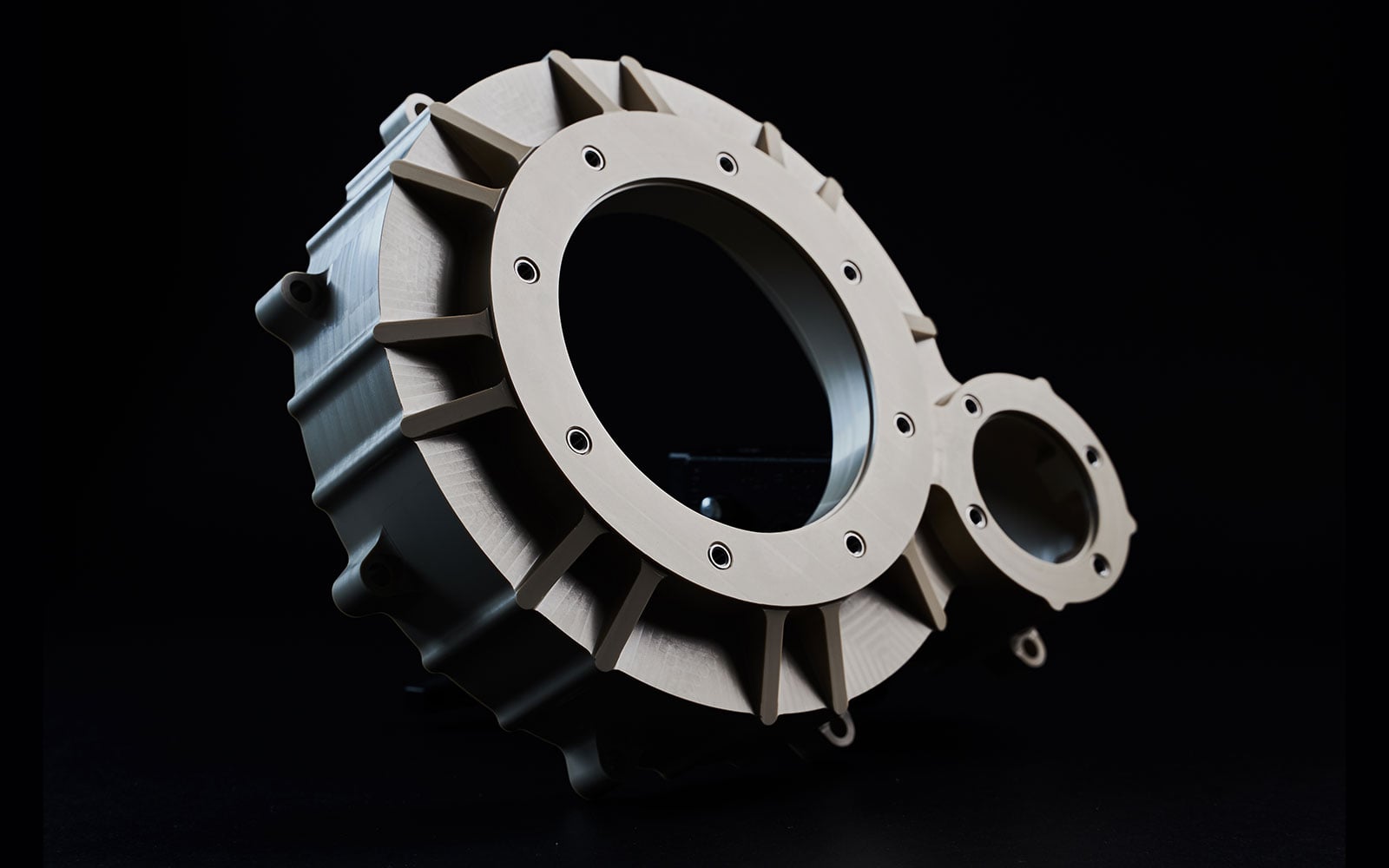
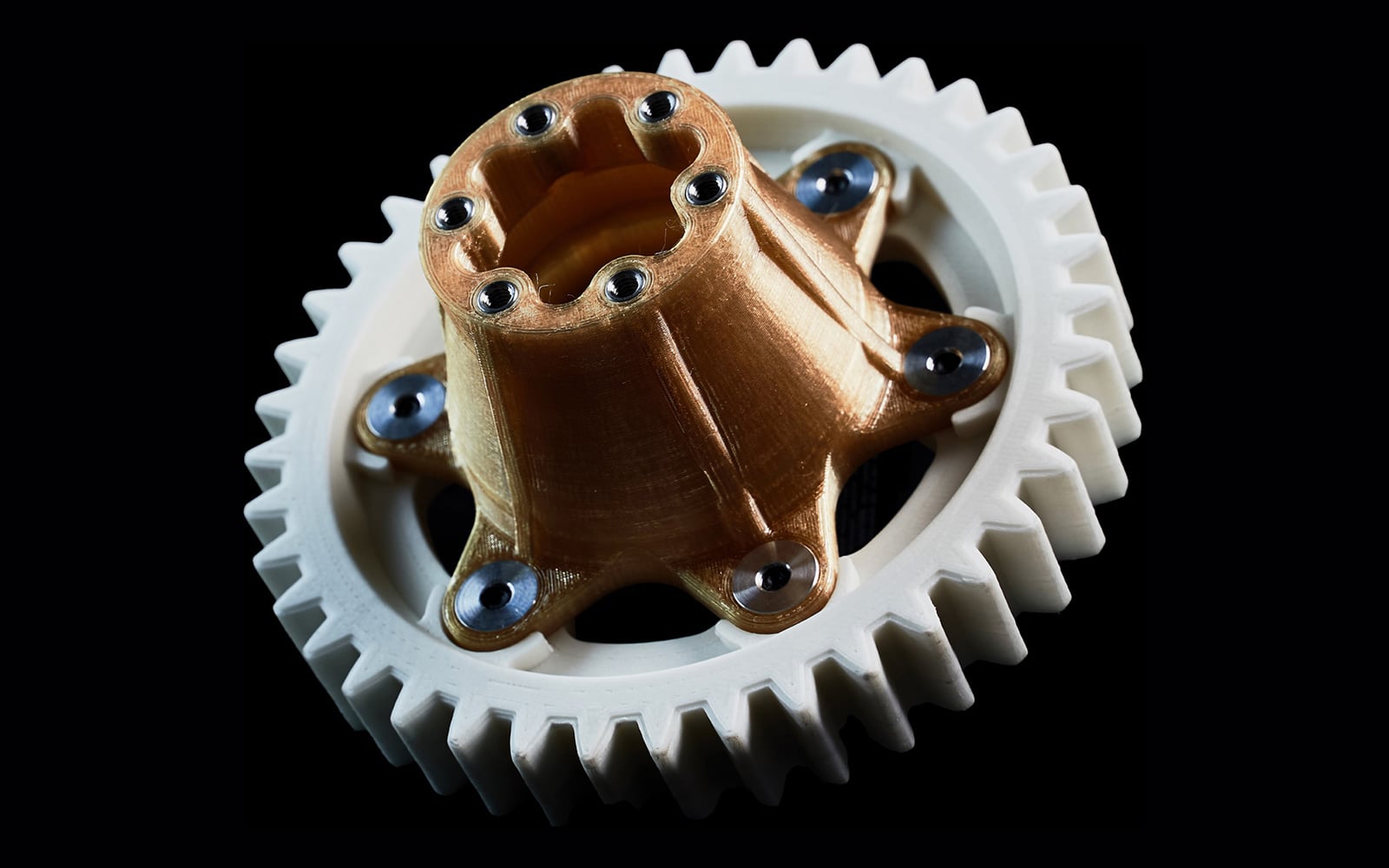
Injection molding requires a mold, and that only pays off at high volumes. For development, functional samples, prototypes, and small series, milled, turned, or printed parts are the better choice. They’re made without tooling, available quickly, and comparatively inexpensive.
This lets you test the geometry and validate the material before you put money into an injection mold. If testing reveals that a wall thickness, a radius, or a function still needs adjusting, we adjust a few parameters and deliver the next version of the prototype without delay. Once the injection mold is built, there’s no going back. We make sure everything is right before that point.
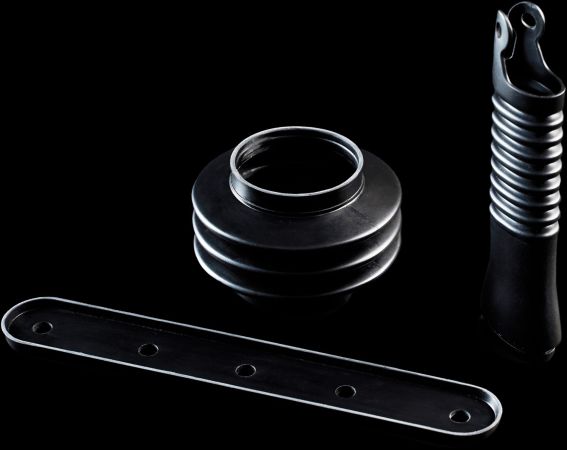
Various Vacuum-Cast PU Parts | Application: First Series in Plant Engineering