 Scrapers
 Rod seals
 Piston Seals
 Guide rings
 Back-Up rings
 O-Rings / X-Rings
 Flat seals
 Spring-loaded seals
 Radial shaft seals
 Rotary seals
 High pressure seals
 Sealing sets
 O-ring measuring towers
 Turned parts
 Milled parts
 Turned and milled parts
 Bushes or bearings


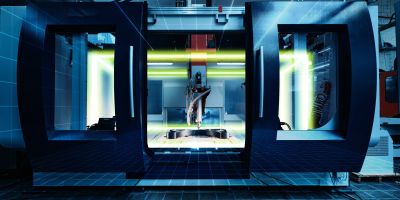
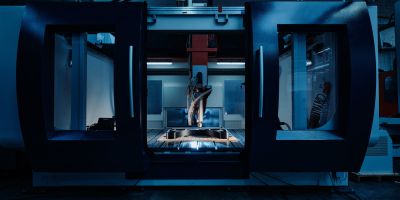
 Large format 3D printing
 Post-processing of 3D printed parts
 Heat-resistant 3D printed components
 Plastic Components with Flame Retardancy






Aerospace
The aerospace industry often requires large, lightweight and high-strength parts. LFAM makes it possible to manufacture such parts from high-performance plastics and composites. For example, aircraft parts such as wings, fuselage structures or interiors can be manufactured in one piece, which significantly reduces assembly time and weight.
Wind energy
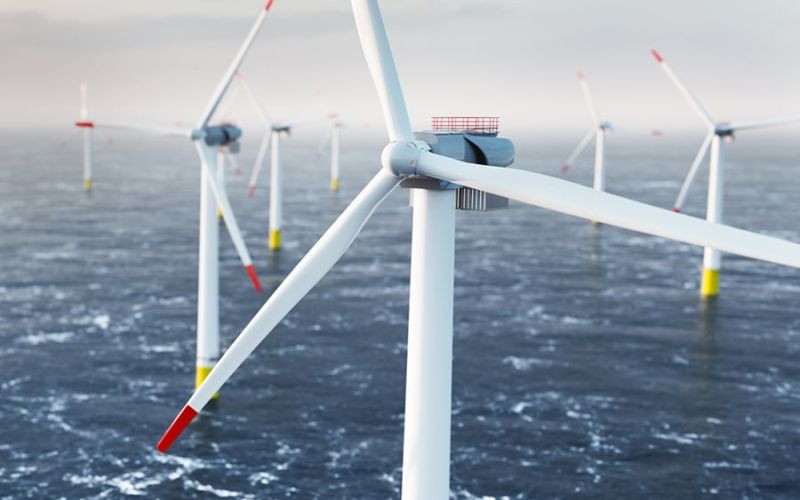
In the wind energy industry, Large Format Additive Manufacturing can be used to produce large parts such as rotor blades or tower structures. By using high-performance plastics and composite materials, LFAM can improve the performance and service life of wind turbines.

Construction industry
In the construction industry, the hybrid technology could be helpful for the production of customized components, such as façade elements or load-bearing structures. By using recycled or bio-based materials, LFAM could enhance sustainability in the construction industry.
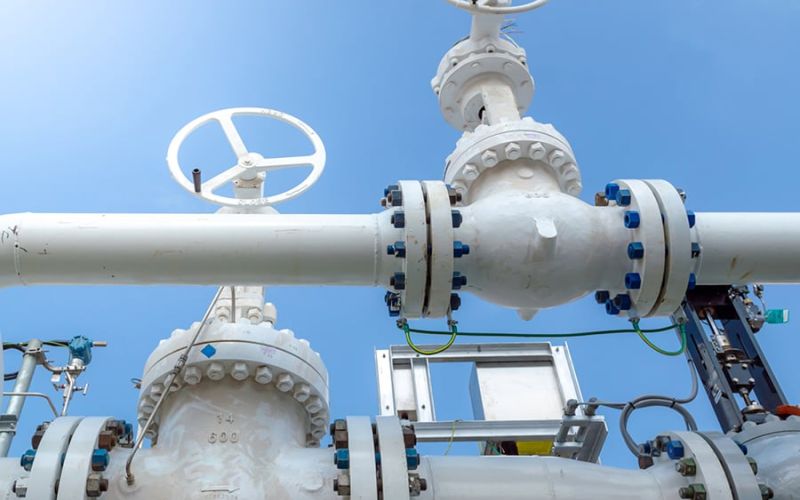
Oil and gas industry
In the oil and gas industry, Large Format Additive Manufacturing could be used to produce large parts such as pipelines, valves or pump housings. By using corrosion-resistant materials, LFAM could help to extend the service life of these parts and reduce maintenance costs.

Medical technology
In medical technology, LFAM could be used for the production of customized medical devices or prostheses. By using biocompatible materials, LFAM could help to improve patient safety and comfort.
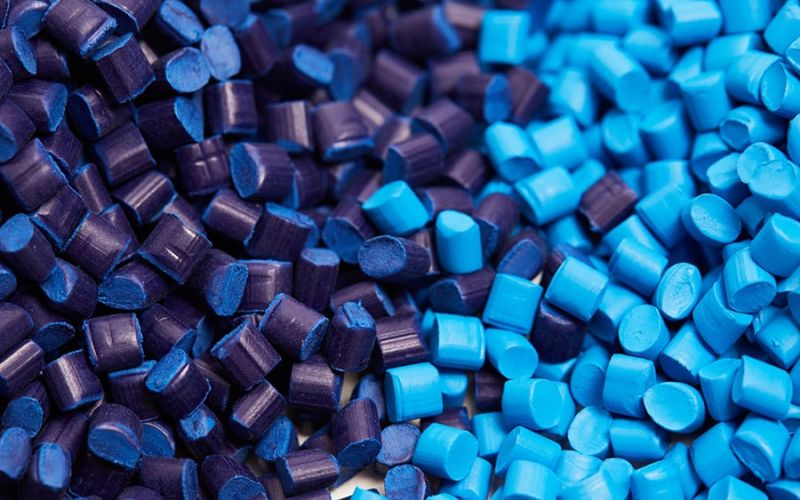
Plastics industry
In the plastics industry, Large Format Additive Manufacturing could be used for the production of large-scale molds and tools. By using thermoplastic materials, LFAM could help to reduce production costs and increase production flexibility.
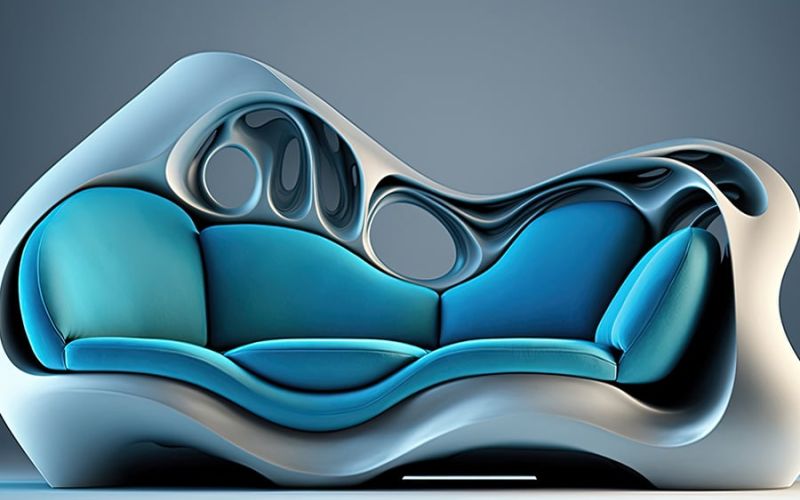
Architecture and design
In the architecture industry, the additive manufacturing in large format could be used to produce customized furniture or decorative elements, both for indoor and outdoor use. This could allow designers greater creative freedom and facilitate the production of personalized furniture.
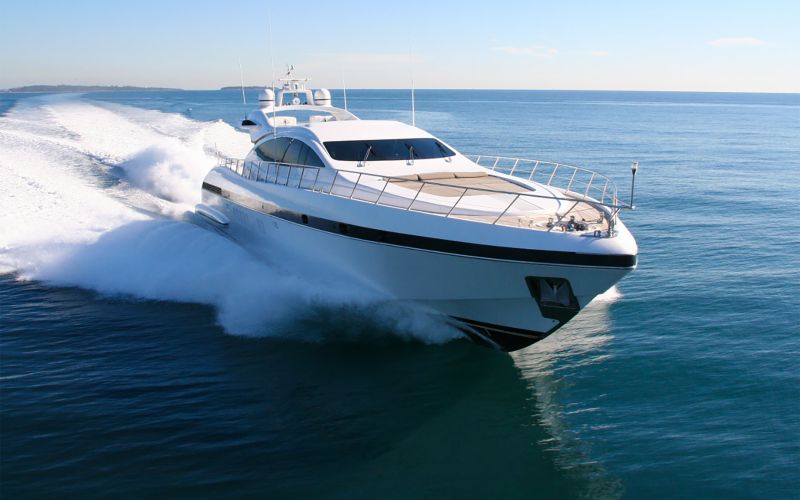
Customized yacht interior
In the area of boat interiors, we use Large Format Additive Manufacturing to restore your boat, renew the interior paneling or produce a custom yacht interior. By using lightweight and corrosion-resistant materials, LFAM can help to reduce the weight of the ship and extend its service life.
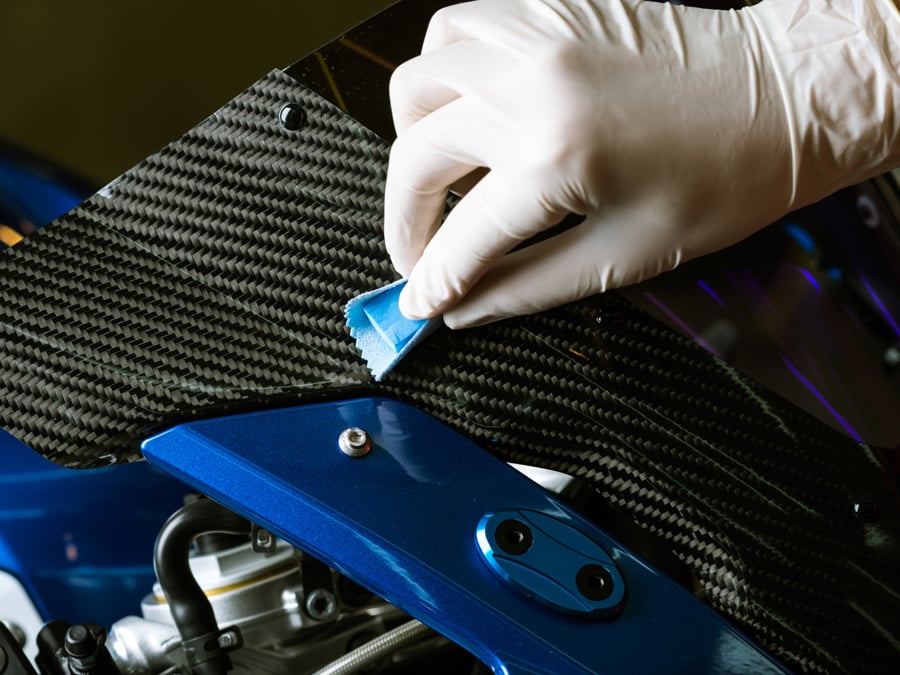
Large Format Additive Manufacturing is also used to produce moulds for carbon lamina-on. This process takes advantage of LFAM’s ability to produce large, precise and high-quality moulds quickly and cost-effectively. The moulds produced can then be used for carbon fibre laminaton to produce lightweight and high-strength components.
An example of this is the produc-on of moulds for carbon laminaton in the aerospace industry. LFAM can be used to produce moulds for the manufacture of aircraft parts such as wings, fuselage structures or interior components. These parts benefit from the excellent mechanical properties of carbon fibres, such as high strength and low weight, and LFAM technology enables fast and efficient producton of these parts.
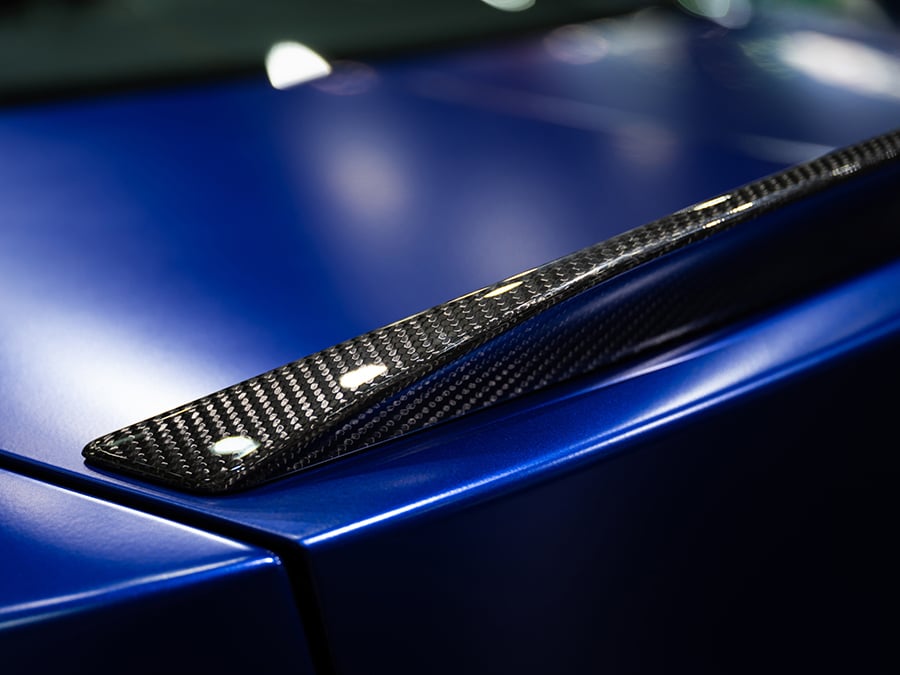
Another example is the producton of moulds for carbon laminaton in the automotve industry. Large Format Additive Manufacturing can be used to make moulds for the producton of automotive parts such as body panels, chassis components or interior parts. These parts also benefit from the excellent mechanical properties of carbon fibres and LFAM technology enables fast and efficient producton of these parts.
These examples illustrate the wide range of applicatons for LFAM and its ability to revolutonize production processes in various industries. By combining additive and subtractive manufacturing, the use of a wide range of materials and the ability to produce large-format parts, Large Format Additive Manufacturing offers companies the opportunity to optimise their production processes, improve their product quality and develop new, innovative products.