When is an EPDM seal the correct choice?

If an elastic seal needs to withstand constant contact with water, hot water, or steam, an EPDM seal is often the most suitable option. EPDM seals also offer excellent resistance to ozone, UV radiation, and weathering, making them suitable for outdoor use as well.
However, it is important to note that EPDM seals are not resistant to mineral oils, greases, and fuels.
When is an EPDM seal the correct choice?
If an elastic seal needs to withstand constant contact with water, hot water, or steam, an EPDM seal is often the most suitable option. EPDM seals also offer excellent resistance to ozone, UV radiation, and weathering, making them suitable for outdoor use as well.
However, it is important to note that EPDM seals are not resistant to mineral oils, greases, and fuels.

What is EPDM?
EPDM, or ethylene-propylene-diene rubber, is a type of synthetic elastomer. In EPDM, the main chain consists of ethylene and propylene units, and the double bonds necessary for cross-linking are located exclusively in the side groups. According to DIN ISO 1629, EPDM belongs to the group of M-rubbers, i.e. elastomers with a saturated main chain.
This structure explains the excellent weather resistance of EPDM seals. While ozone and UV radiation have an impact on EPDM, they only affect the double bonds in the side chains, not the saturated main chain. The polymer structure remains stable, and the material ages significantly more slowly than elastomers with an unsaturated main chain.
Properties of EPDM seals
EPDM is a group of materials and not a single, uniform compound. It should be noted that factors such as temperature limits, chemical resistance, and mechanical properties are contingent on the specific compound and the cross-linking system. It should be noted that two EPDM seals may behave differently during operation. Nevertheless, this family of materials has a typical set of properties.
Temperature resistance
The temperature resistance of EPDM seals depends heavily on the compound and the curing system. As a general guideline, standard sulfur-cured compounds have a continuous operating range of approximately –40 °C to +120 °C. Peroxide-cured compounds can be used mechanically up to +150 °C; in practice, a permanently low compression set is reliably achieved up to approximately +130 °C. For short periods, peroxide-cured compounds can withstand peaks of up to around +170 °C.
Low-temperature compounds extend the lower range down to –50 °C, albeit at the expense of other properties. The specific limits can be found in the data sheet for the respective compound.
Chemical resistance
| Medium | Resistance |
|---|---|
| Water, hot water | ✓ good |
| Steam | ✓ good |
| Glycol, water-based hydraulic fluids | ✓ good |
| Glycol ether-based brake fluid (DOT 3/4/5.1) | ✓ good |
| Polar solvents (acetone, MEK, short-chain alcohols) | ~ good to limited |
| Dilute acids and alkalis | ✓ good |
| Strongly oxidizing acids (conc. HNO₃, H₂SO₄, chromic acid) | ✗ not suitable |
| Ozone, UV, weathering | ✓ good |
| Mineral oils, hydraulic oils (mineral oil-based) | ✗ not suitable |
| Fuels, petroleum products | ✗ not suitable |
| Aliphatic and aromatic solvents (hexane, toluene, benzene) | ✗ not suitable |
| Halogenated hydrocarbons (e.g. dichloromethane) | ✗ not suitable |
The table is for reference only. For critical applications, compatibility must always be verified based on the specific compound and the specific medium, ideally through bearing tests in accordance with DIN ISO 1817.
Hardness and compression set of EPDM seals
The hardness ranges from 40 to 90 Shore A depending on the compound; standard seals are manufactured with a hardness of 60 to 70 Shore A. In practice, the compression set (CS) according to DIN ISO 815 is often more relevant than hardness alone. It describes the extent to which a seal remains permanently deformed after prolonged compression. A low CS means that the material retains its springback and the contact force is maintained throughout the service life. Peroxide-cured EPDM compounds perform significantly better in this regard than sulfur-cured ones.
Peroxide or sulfur—which cross-linking method is best for which application?
Sulfur-cured EPDM is the classic standard material. It is cost-effective to manufacture, generally offers higher tensile strength and elongation at break, and is well-suited for applications up to approximately +120 °C. Its long-term fatigue resistance is acceptable but not optimal.
Peroxide-cured EPDM is the better choice for steam and hot water applications. It remains more stable at continuously elevated temperatures, has significantly better DVR, and retains its resilience longer. The trade-off is generally slightly lower tensile strength and elongation at break, as well as higher compound costs.
Anyone specifying EPDM seals for steam applications or continuous high-temperature use should therefore explicitly state the type of cross-linking. The differences in long-term performance are not negligible.
Material comparison of EPDM seals

EPDM vs. NBR
NBR is the classic choice for mineral oils, hydraulic oils, and fuels. When in contact with these media, EPDM swells; the material absorbs components of the medium, increases in volume, and loses hardness and resilience. A seal that softens can extrude under pressure, causing it to lose its sealing effectiveness.
Conversely, NBR is significantly inferior when exposed to weather, ozone, and UV radiation; in these conditions, it ages visibly faster than EPDM. For water, NBR remains usable up to about +80 °C; above that, EPDM is clearly the better choice. NBR is not suitable for steam applications. The choice of material therefore depends on media compatibility: Oil favors NBR seals, while water, steam, and outdoor weathering favor EPDM seals.
EPDM vs. FKM
With FKM (fluorinated rubber, known by the brand name Viton®, or FPM), the balance shifts toward temperature and chemical resistance against mineral oils, fuels, and aggressive media. FKM is the material of choice when temperatures consistently exceed +150 °C or when media that attack EPDM are involved.
An important, often overlooked limitation concerns water: Standard FKM has only limited resistance to hot water and saturated steam; in saturated steam, FKM is prone to hydrolysis. In practice, standard FKM should not exceed +120 °C in steam-carrying applications. Only specialty grades such as Viton® GF-S, GLT-S, or ETP compounds are suitable for higher steam temperatures, albeit at significantly higher costs.
For pure water or steam applications within the typical EPDM temperature range, EPDM is therefore not only the more economical solution but also the more robust one from a technical standpoint. Added to this is the argument surrounding the PFAS debate. An EPDM seal is PFAS-free, whereas FKM contains fluorinated polymers and falls within the scope of the ongoing European restriction debate.
Applications for EPDM seals

Facilities for sanitation and drinking water
EPDM is one of the few elastomers that is regularly available with drinking water approvals. In Germany, the Federal Environment Agency’s KTW-BWGL is gradually replacing the old elastomer guideline. The transition period, originally scheduled to end on March 1, 2025, was extended to July 1, 2026, with the third amendment to the transition regulation in February 2025. Until then, both assessment standards are applicable in parallel; as of July 1, 2026, only test reports in accordance with KTW-BWGL will be valid. Internationally relevant standards include WRAS (United Kingdom) and NSF/ANSI 61 (USA). DVGW W270 tests for microbiological safety, i.e., the growth of microorganisms on the material. Not every EPDM seal is automatically approved; for drinking water applications, a specific certified compound must be used.
Steam and hot water
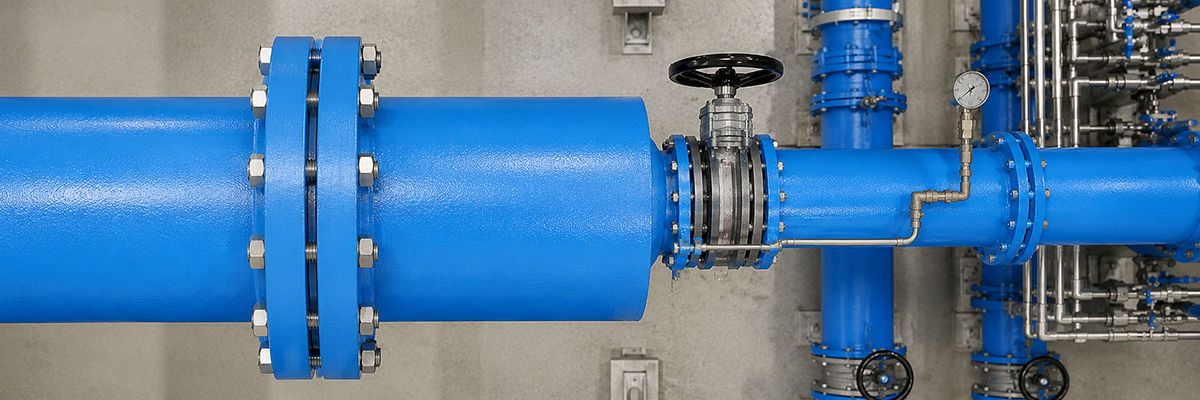
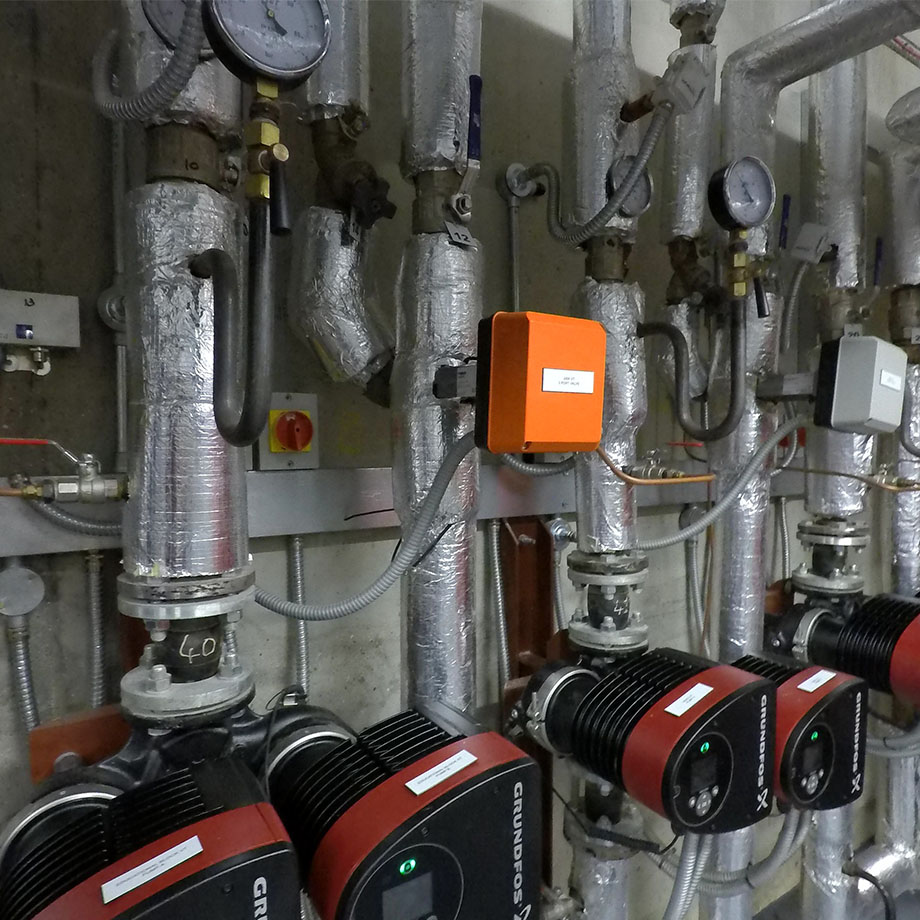
A seal made of peroxide-cured EPDM reliably seals against steam and hot water and retains its resilience during continuous operation at temperatures up to approximately +130 °C. In heating systems, industrial steam lines, and building services, it is the standard material for this load class. At higher steam temperatures, the precise selection of the compound is critical; for cyclic loading, specific approval from the manufacturer is advisable.
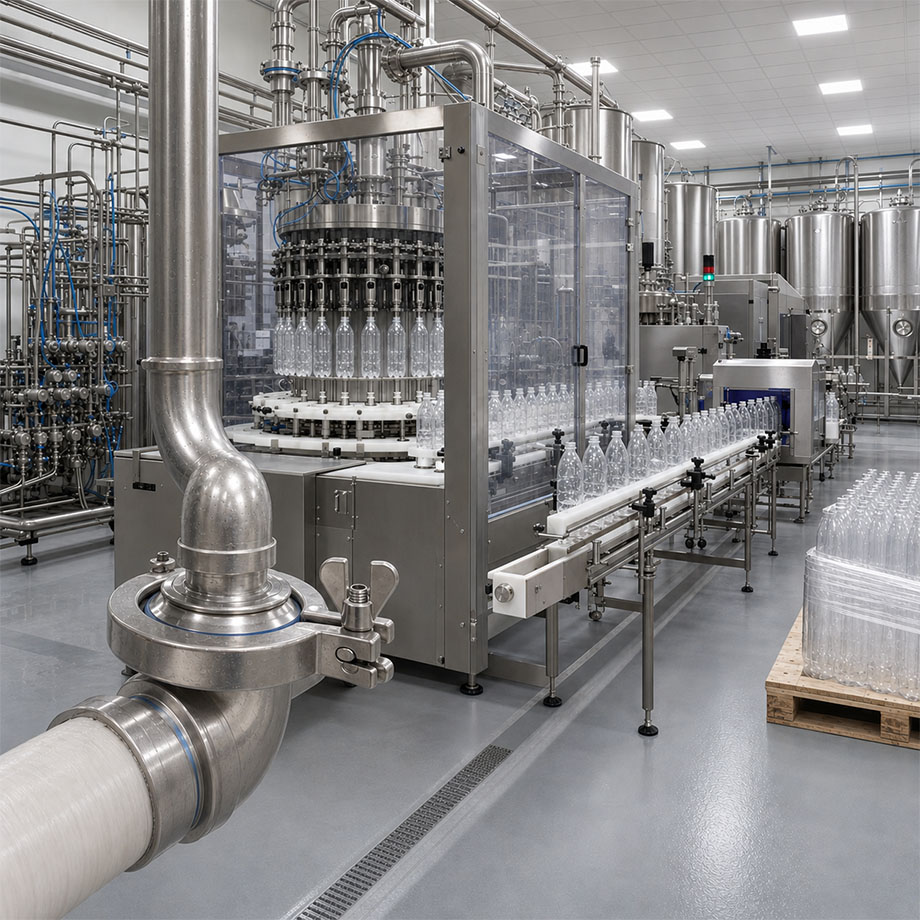
Food and Pharmaceuticals
The suitability of an EPDM gasket must be demonstrated for the food and medical industries. This is because EPDM is only suitable for aqueous processes in the food industry if it is formulated to be food-safe. For the U.S. market, FDA 21 CFR 177.2600 is the standard certification for rubber-like materials. In Europe, Regulation (EC) No. 1935/2004 serves as the framework regulation, supplemented by the GMP Regulation (EC) No. 2023/2006. For pharmaceutical applications, USP Class VI is also commonly required.
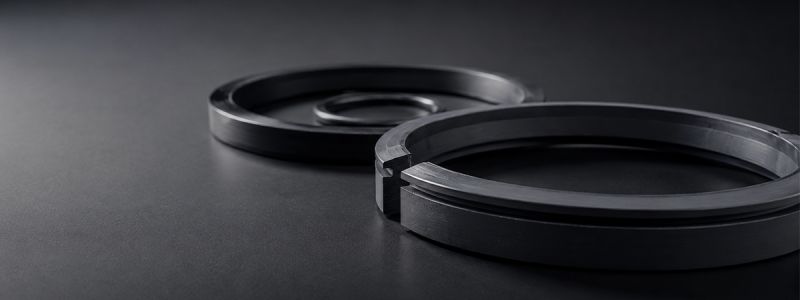
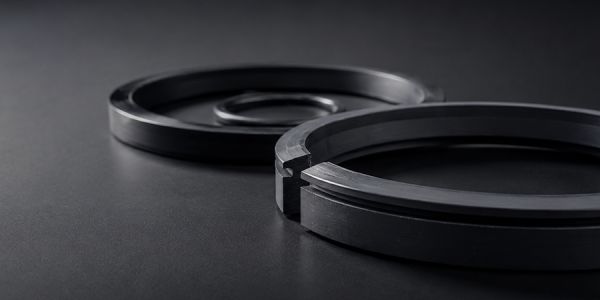
Hänssler manufactures EPDM seals in standard geometries and according to drawings. One specific application is their use as preload elements in PTFE seals: The EPDM element provides the necessary preload, while the PTFE forms the sliding element and performs the sealing function.
Limitations of EPDM seals
EPDM seals fail when exposed to mineral oils, petroleum products, aliphatic and aromatic hydrocarbons, and halogenated compounds such as dichloromethane. The material swells, loses strength, and no longer provides a seal. If you need to seal hydraulic oil, gear oil, diesel, or fuel, use NBR or, at higher temperatures, FKM.
The differentiation in the resistance table makes it clear: EPDM is not generally unsuitable for “organic solvents.” EPDM tolerates polar solvents such as acetone or short-chain alcohols well to a limited extent; nonpolar hydrocarbons and halogenated compounds, on the other hand, are a deal-breaker.
If it is unclear whether an EPDM seal is suitable for a specific medium and operating temperature, it is worth consulting our sealing specialists. This is particularly important for safety-critical applications or when approval requirements apply in drinking water supply and the food or pharmaceutical industries.
Häufig gestellte Fragen zu EPDM Dichtungen
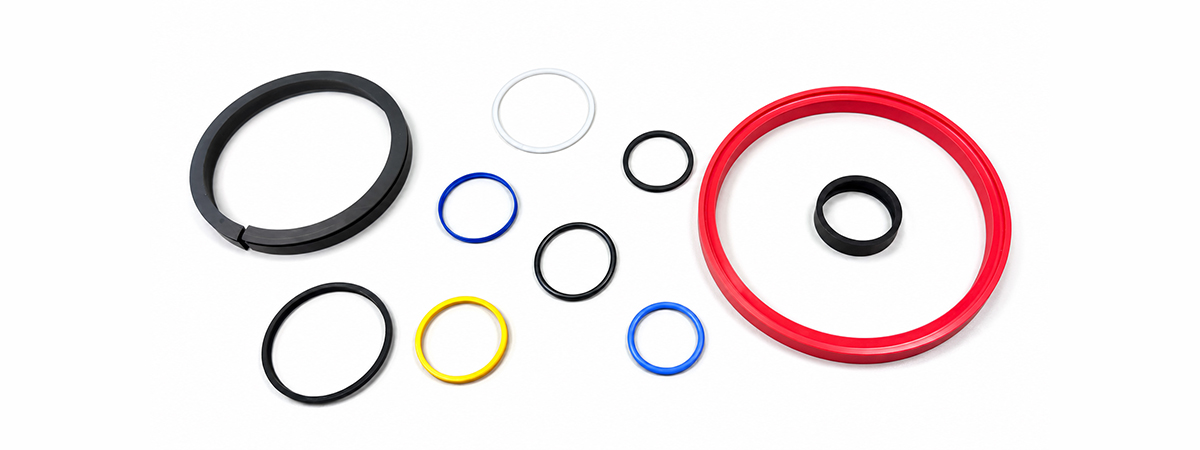
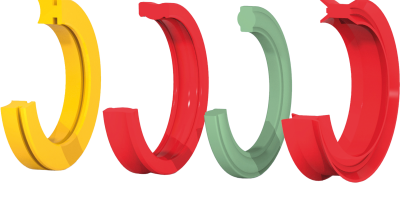
In addition to their everyday use as window seals, EPDM seals are widely used in industry as flat gaskets, O-rings, piston seals, rod seals, or shaft seals.
EPDM seals are used in plant engineering, the food industry, valve technology, cooling systems, heating systems, plumbing, and many other applications. In general, EPDM is used wherever water is the medium being sealed.
Depending on the compound, EPDM seals can be used at temperatures ranging from –40 °C to +130 °C.
There are specialized gasket manufacturers that produce EPDM gaskets for industrial applications according to standard dimensions and custom drawings. Hänssler Kunststoff- und Dichtungstechnik GmbH stands out in particular for its collaborative development process and short delivery times.
You can request EPDM seals from Hänssler Kunststoff- und Dichtungstechnik GmbH using the contact form, by phone at +49 621 48480-0, or by email at haenssler@dicht.de.