 Scrapers
 Rod seals
 Piston Seals
 Guide rings
 Back-Up rings
 O-Rings / X-Rings
 Flat seals
 Spring-loaded seals
 Radial shaft seals
 Rotary seals
 High pressure seals
 Sealing sets
 O-ring measuring towers
 Turned parts
 Milled parts
 Turned and milled parts
 Bushes or bearings


 Large format 3D printing
 Post-processing of 3D printed parts
 Heat-resistant 3D printed components
 Plastic Components with Flame Retardancy






Seals for hydrogen technology – challenges and development
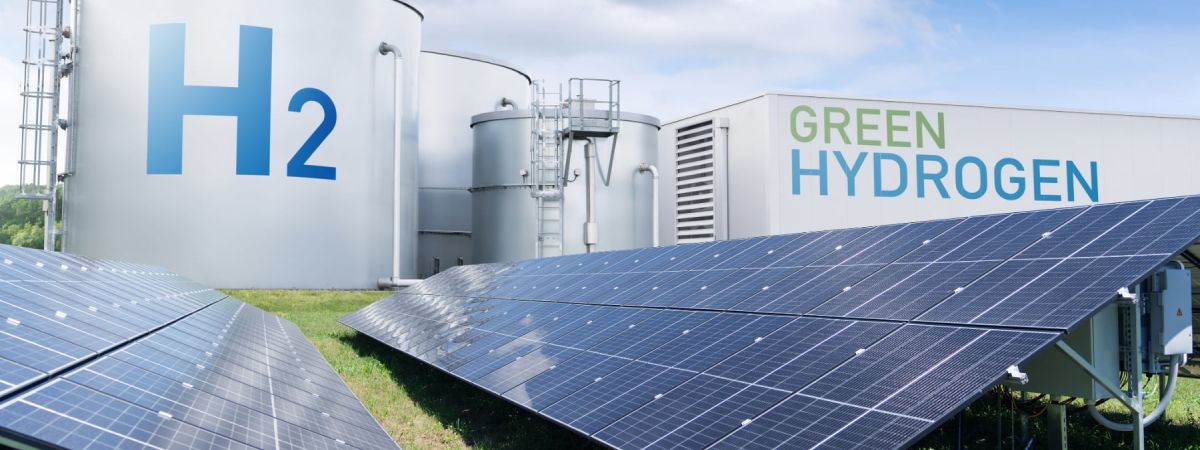
Hydrogen is increasingly seen as a promising energy carrier of the future. From production as “green hydrogen” to storage, transportation and conversion into electrical energy, there are numerous aspects that are the focus of politics, research and industry. An essential component of these hydrogen technologies are specialized hydrogen seals that ensure the safe and efficient handling of this volatile gas.
Hydrogen permeation – the right seal is crucial
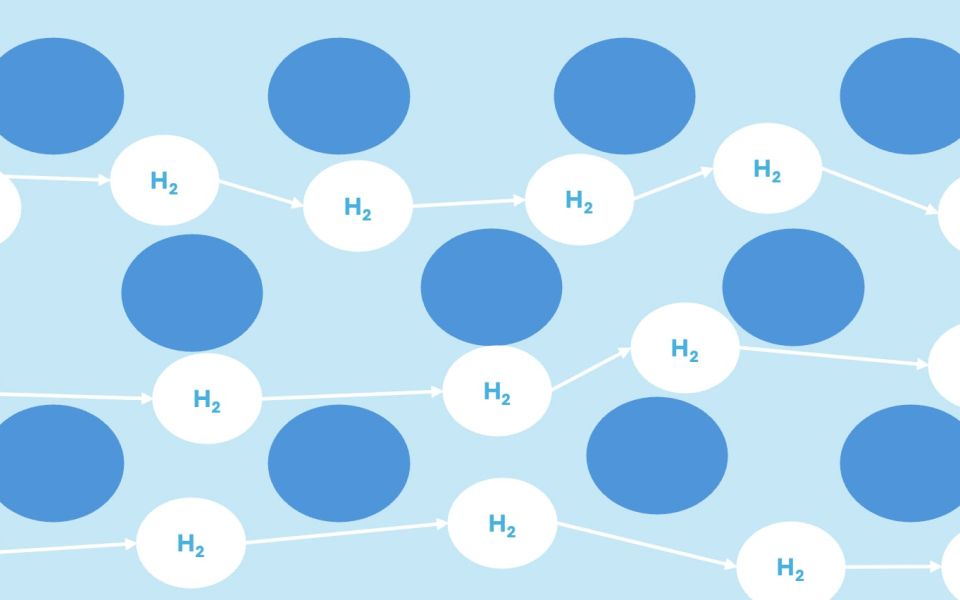
One of the biggest technical challenges when dealing with hydrogen is plastic permeation. Hydrogen molecules are small and easily diffuse through many common sealing materials. This poses a significant safety risk and also leads to losses of the valuable energy carrier. In view of this, it is crucial that seals used for hydrogen prevent the gas from dissipating.
The requirements for hydrogen seals are further reinforced by extreme conditions such as high pressures and low temperatures. Elastomers that become brittle at -55 °C are therefore unsuitable for cryogenic applications. Although PTFE materials do not become brittle, they are not suitable due to their high porosity and associated permeation. The risk of explosive decompression, when hydrogen is stored in the material under high pressure and can lead to the destruction of the seal if the pressure drops, also poses a considerable risk.