Top-Innovator 2026 – top100.de

Plastic components for cryogenic applications
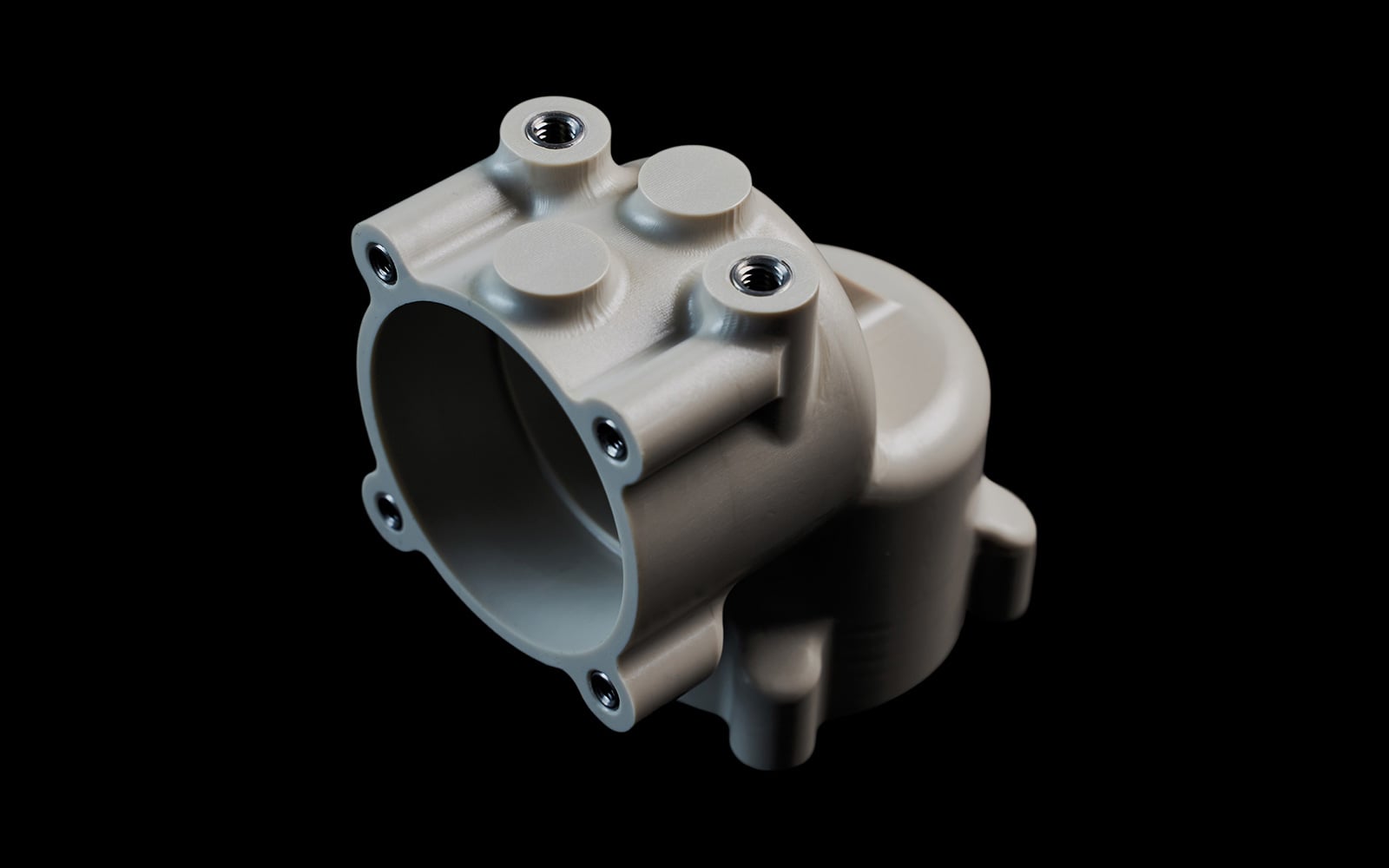
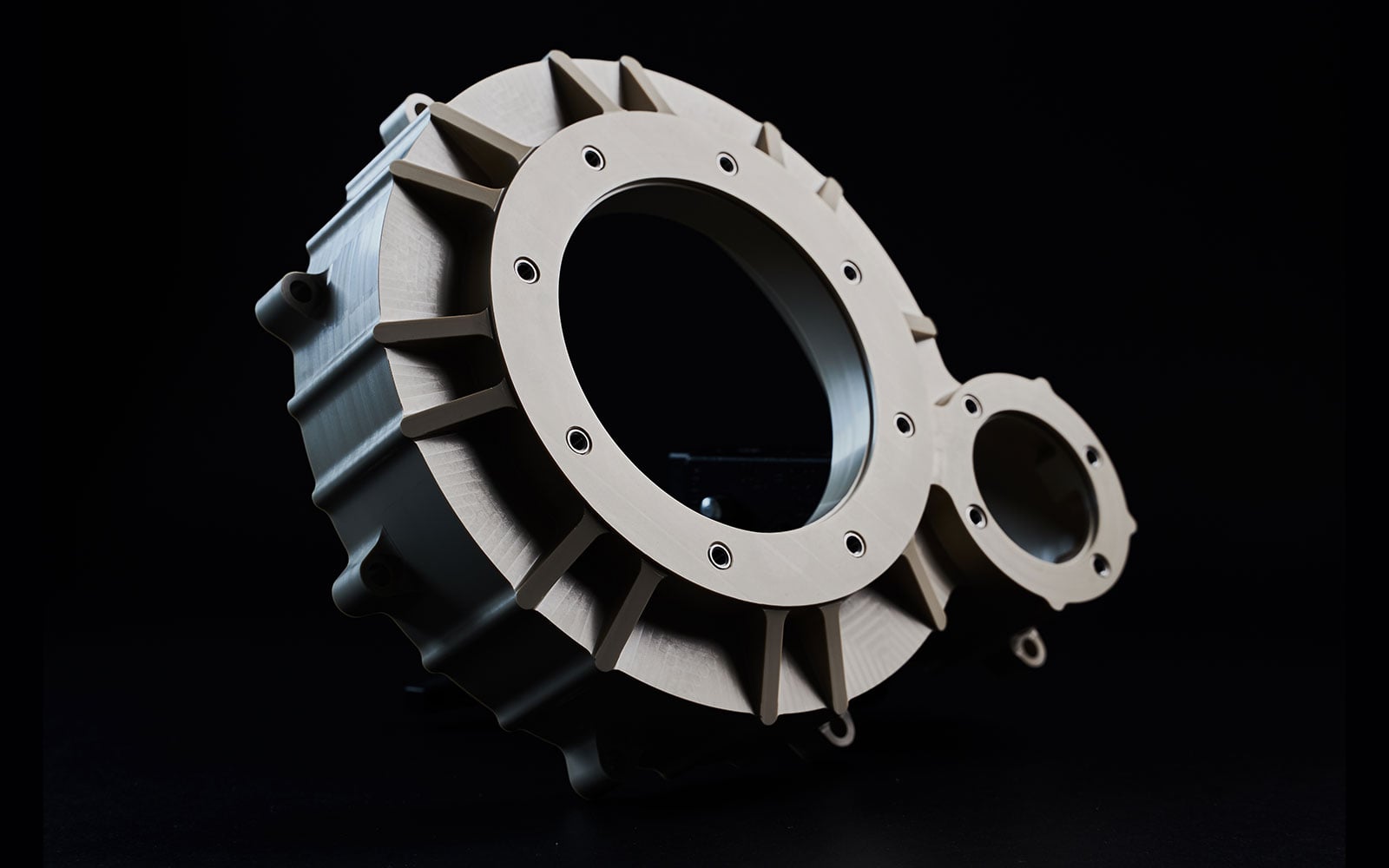
Umlenkgetriebe aus PEEK

Deflection gearbox made of PEEK

  • Home
  • Plastics Technology
  • Plastic components for cryogenic applications
  • A specially manufactured plastic component is always required when the temperature in the application is significantly below freezing. This is particularly relevant in cryotechnology, as temperatures are reached here at which the physical properties of the material change fundamentally.

    Cryotechnology encompasses technical applications below −150 °C.

    Typical media are:

    • Liquid nitrogen (−196 °C/−320.8 °F)
    • Liquid hydrogen (−253 °C/ −423.4 °F)
    • Liquid helium (−269 °C/ −452.2 °F)

    In this temperature range, plastics have completely different mechanical properties than at room temperature, which makes the selection of materials for cryogenic components particularly challenging. In addition to the thermomechanical properties, the coefficients of thermal expansion also change, which is relevant in assemblies consisting of metal and plastic components.

    Hänssler’s plastic components for cryotechnology

    We produce and develop plastic parts for low-temperature applications that are used in technical systems in the hydrogen economy, the LNG industry, aerospace, and other key industries. We use high-performance plastics to ensure safe and long-term consistent function even at temperatures below −250 °C. In addition, we specifically design our plastic parts for such low-temperature environments and consider the effect on geometry, lubrication, and dimensional stability.

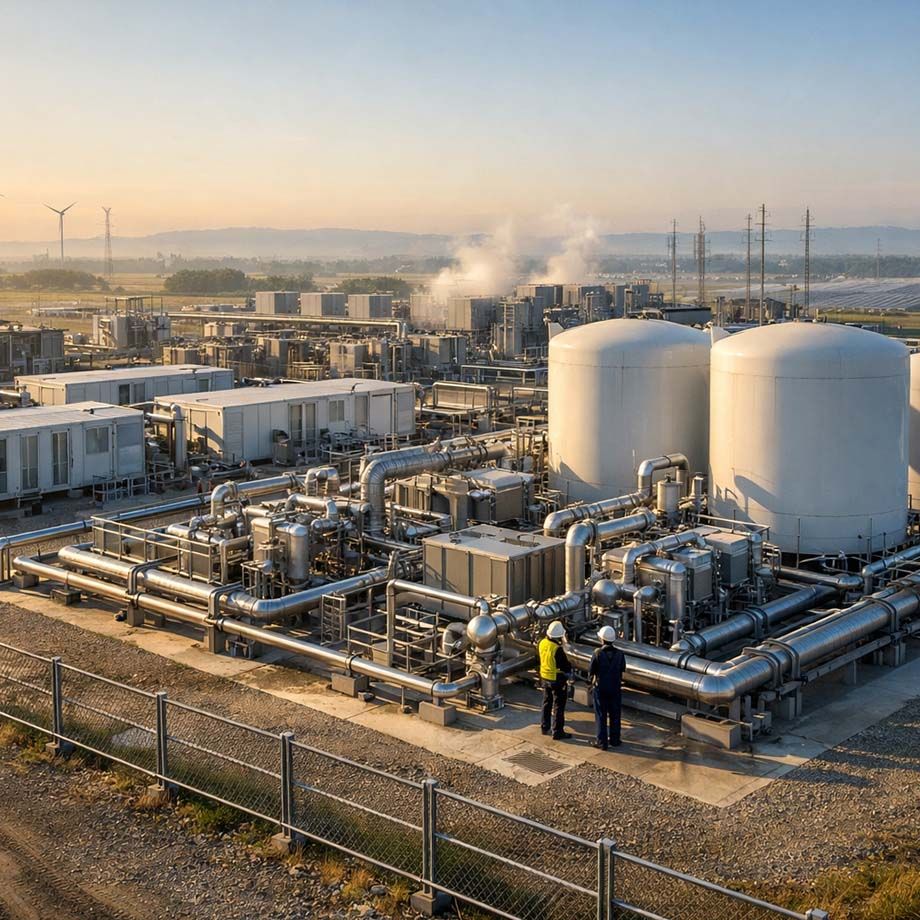
    Typical applications

    Plastic components are used in numerous cryogenic systems. Some examples of these are:

    • Valves and fittings
    • Cryogenic ball valves
    • Pumps for cryogenic media
    • Compressors and compaction units
    • Cryogenic tanks and pressure vessels
    • Piping systems and couplings
    • Refueling and transfer systems
    • Sensors, measurement systems, and feedthroughs

    All of the above applications involve plastic parts that must withstand extreme stresses at low temperatures. In addition, there are other areas of application for plastic parts that also involve high operating temperatures.

    Key industries

    Hydrogen economy

    One of the fastest growing fields in cryogenics.

    • Hydrogen liquefaction
    • Storage and transport of LH₂
    • Hydrogen filling stations
    • Energy generation and storage
    Rocket launch by SpaceX

    Aerospace

    Historically one of the most important fields of application.

    • Rocket engines
    • Fuel systems
    • Satellites and spacecraft
    • Test stands and ground systems

    LNG industry

    Transport and use of liquefied natural gas.

    • LNG terminals
    • Liquefaction plants
    • Transport and storage facilities
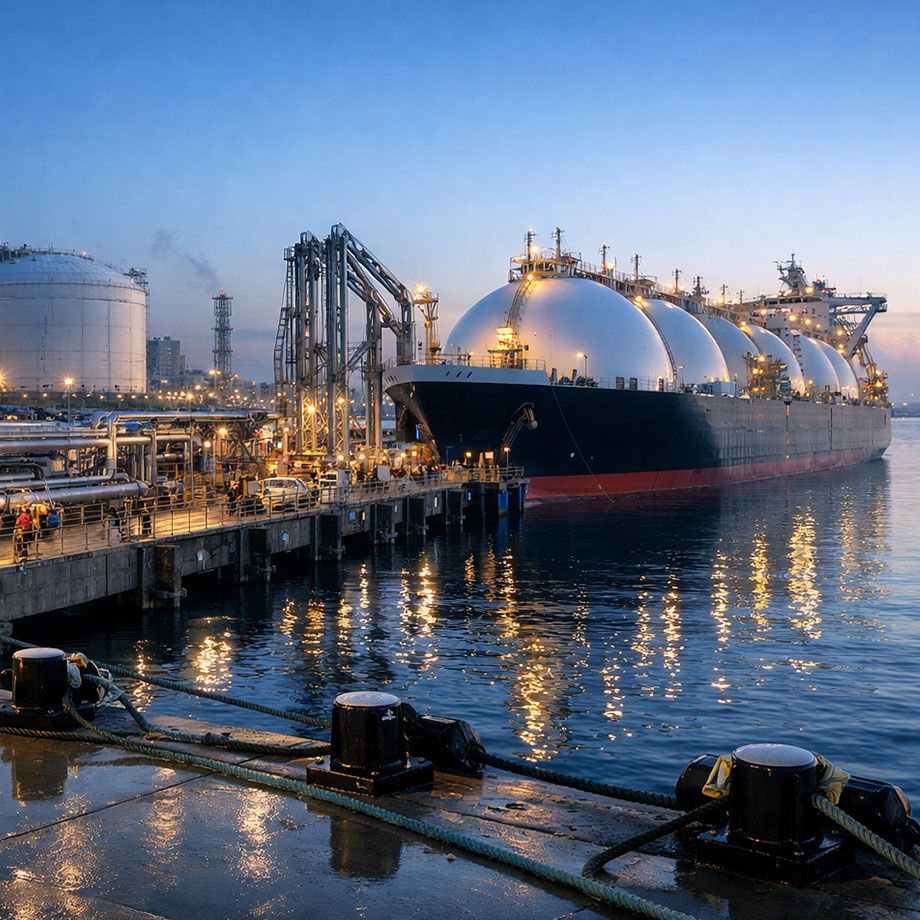
    • Maritime applications (LNG ships)
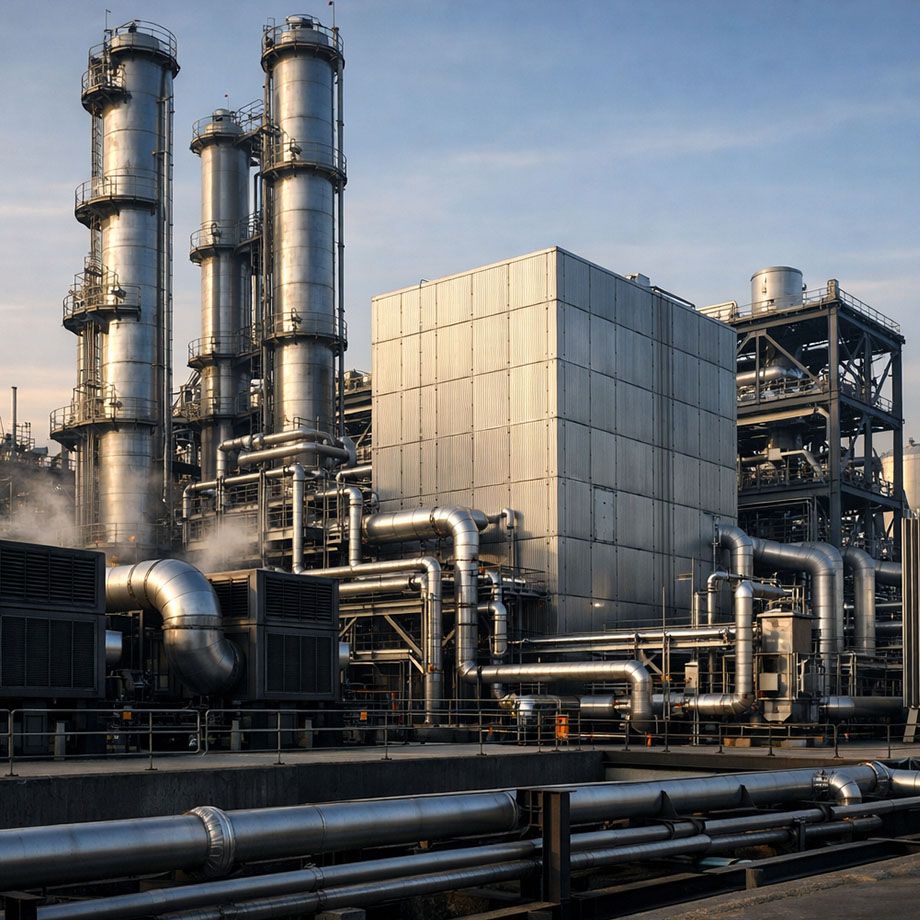
    Chemical and process industry

    • Gas liquefaction
    • Cryogenic separation
    • Special processes with cryogenic media
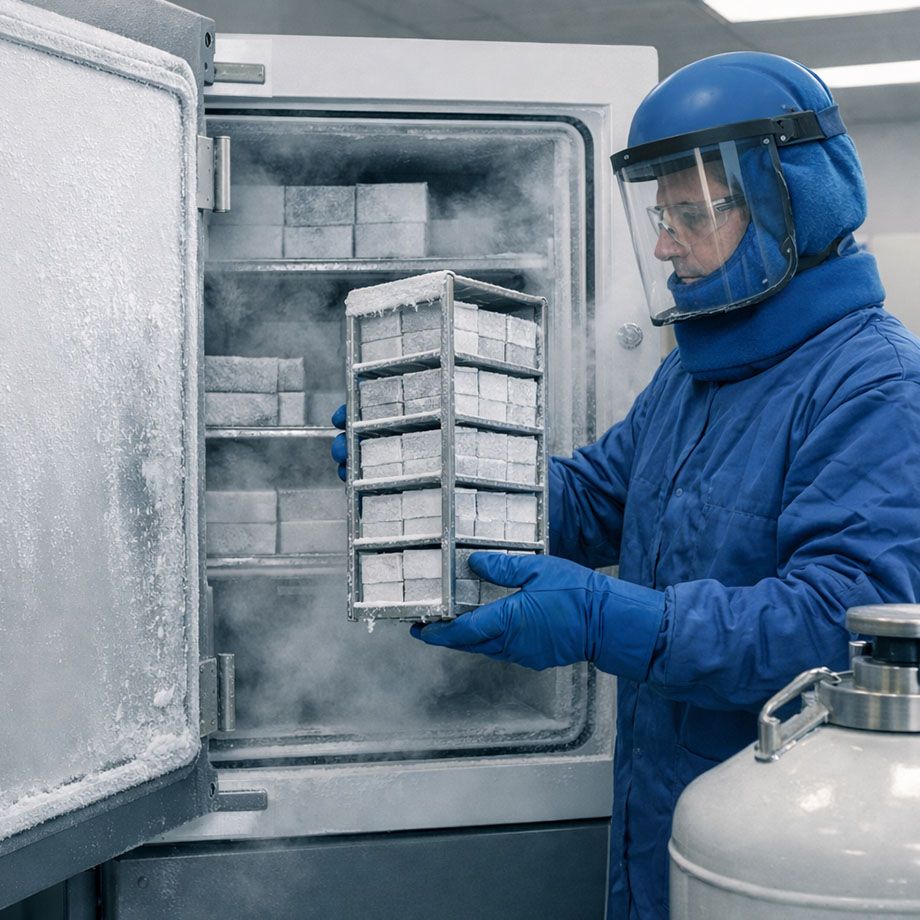
    Medical technology and life sciences

    • Cryopreservation
    • Storage of biological samples
    • MRI and magnetic systems (helium)
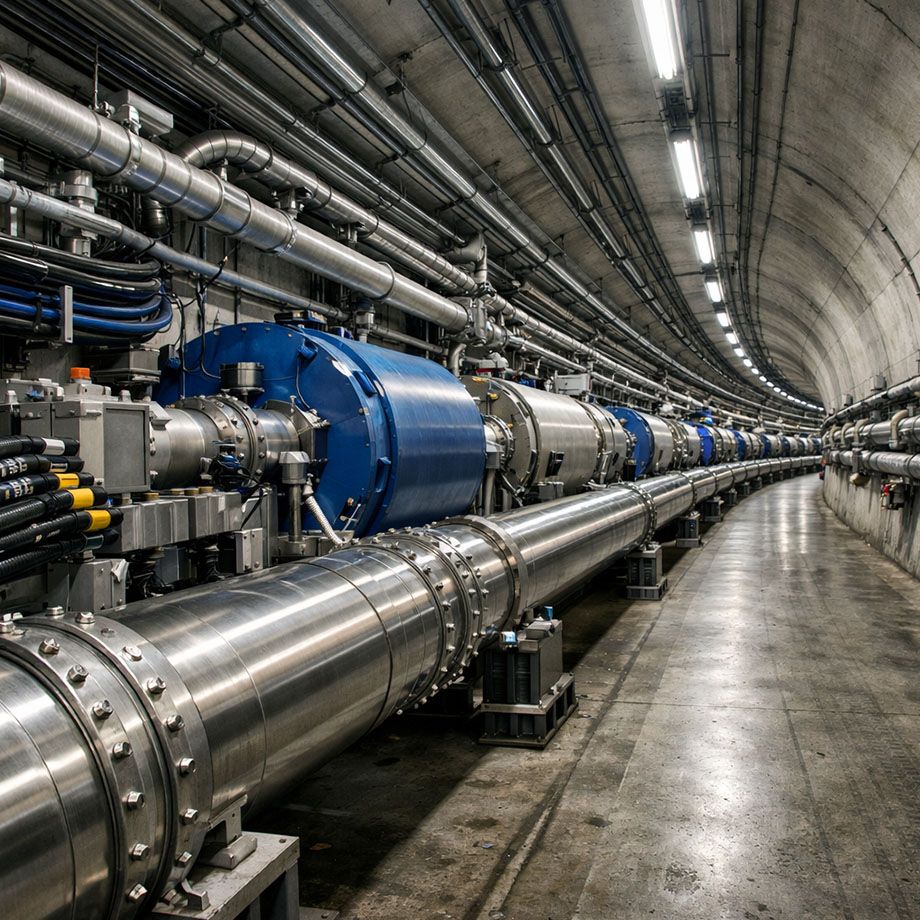
    Research and large research facilities

    • Particle accelerators
    • Cryostats
    • Superconducting magnets
    • Materials research
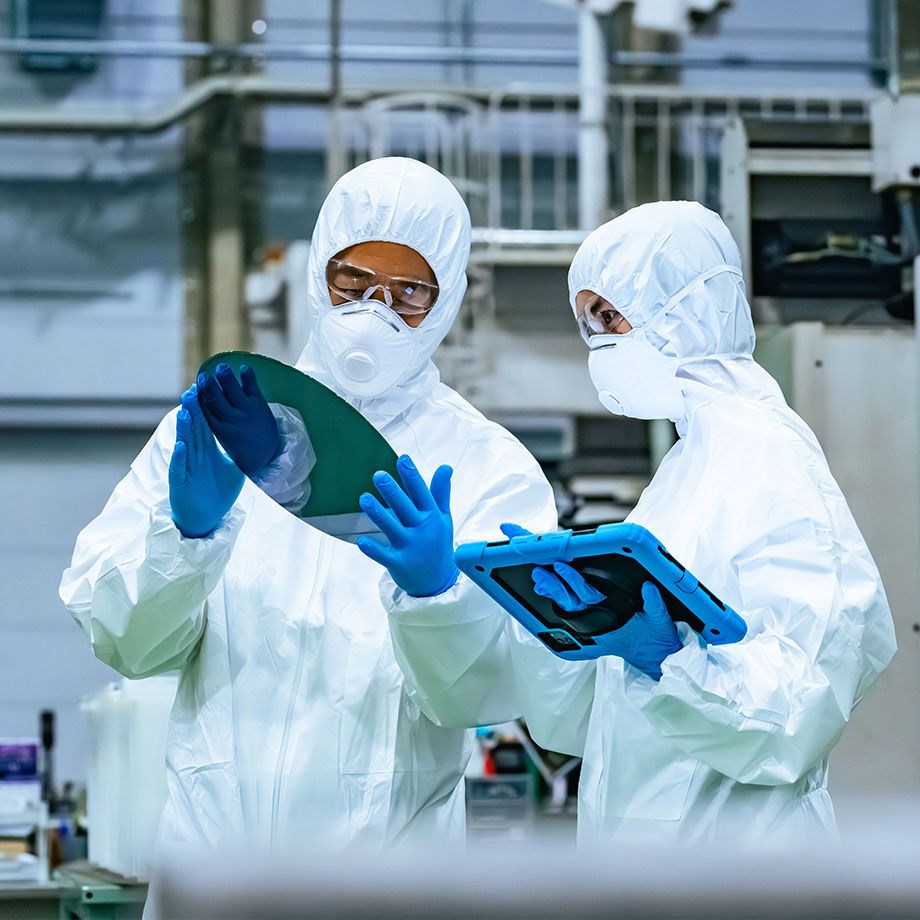
    Semiconductor and electronics industry

    • Cryogenic processes
    • Special gases
    • Vacuum and cleanroom applications

    Automotive and mobility industry

    • Fuel cell vehicles
    • Hydrogen storage
    • Refueling systems
    • Test sites

    Defense and security technology

    • Cooled infrared sensors
    • Cooled detectors
    • Superconducting sensors for magnetic field measurement
    Requirements for plastic components in cryogenics

    Plastic components perform sealing, guiding, insulating, or structural tasks in cryogenic systems. This results in clear technical requirements:

    Resistance to cold shock and breakage

    Materials must not become brittle under the extreme temperature conditions of cryogenics, which are often well below −150 °C.

    Chemical resistance

    Liquid hydrogen, oxygen, or LNG have a chemically and physically damaging effect on plastic.

    Low friction and wear resistance

    A low coefficient of friction reduces starting torques and minimizes wear, which is particularly important in cases of temperature fluctuations.

    Dimensional stability and low creep

    At cryogenic temperatures, the modulus of elasticity and relaxation behavior change, and the plastic part must be designed accordingly.

    Suitable plastics for cryogenic applications

    Only selected high-performance polymers, also known as cryogenic polymers, are suitable for plastic components in the extreme low-temperature range. The choice of material is always based on the specific application. That is why we need as much information as possible about the application in order to be able to make a reliable recommendation.

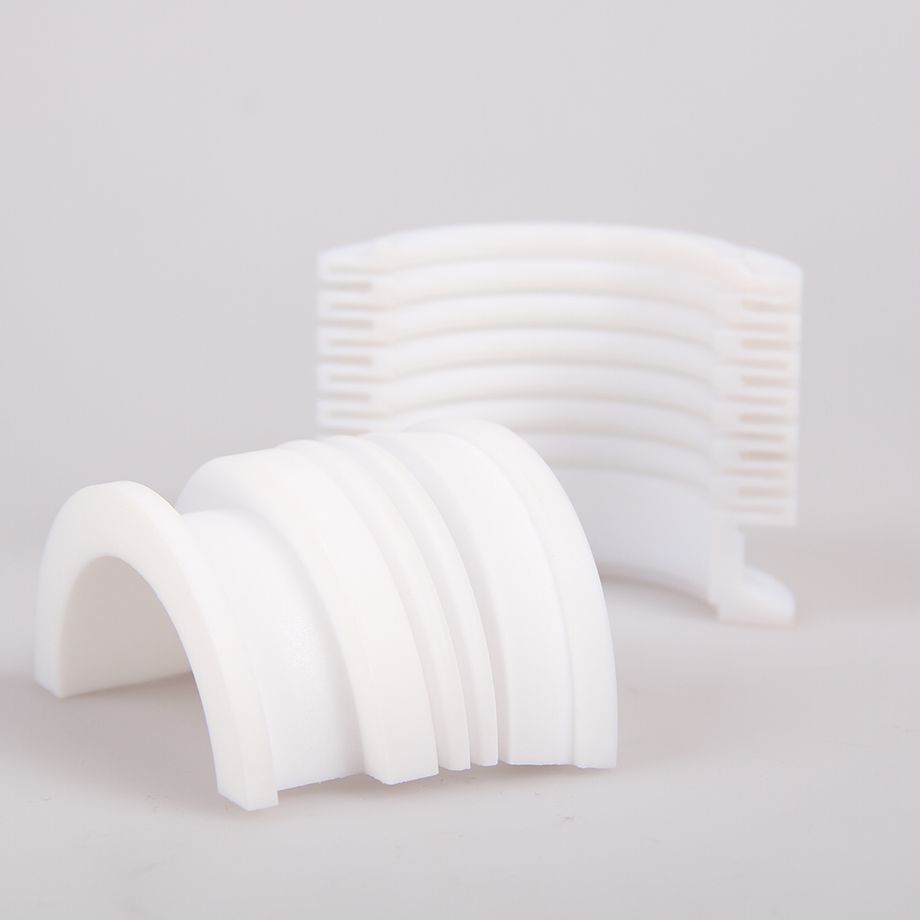
    PTFE (polytetrafluoroethylene)

    PTFE is considered the benchmark material for cryogenic seals. It remains tough even at temperatures below −200 °C and has almost universal chemical resistance. Due to its very low coefficient of friction, PTFE is used for seals, slide guides, and tank linings.
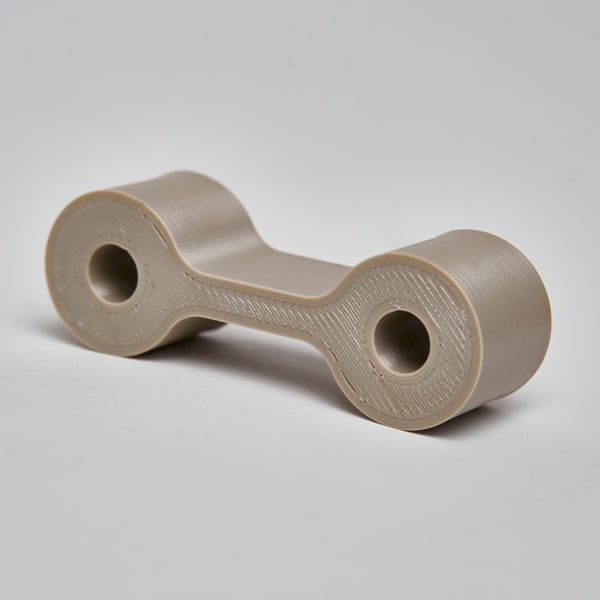
    PEEK (polyether ether ketone)

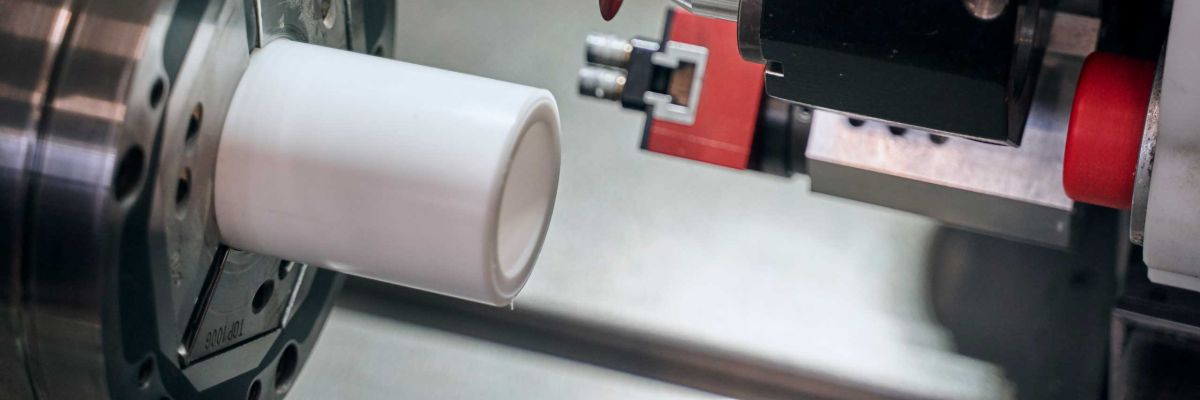
    PEEK combines high strength with chemical resistance. The material remains structurally resilient even at cryogenic temperatures. It is used for pump components, bearings, and load-bearing structural parts. Specially modified “cryo-PEEK” types can further improve low-temperature performance.
    PCTFE (polychlorotrifluoroethylene)

    PCTFE is characterized by very low moisture absorption and low gas permeation. It is stiffer than PTFE and offers high dimensional stability at low temperatures. This makes PCTFE particularly suitable for valve seats and sealing components in LOX, LH₂, or LNG systems. Its low cold flow tendency ensures stable sealing performance over repeated temperature changes. Its high impermeability ensures absolutely safe systems.

    Polyimides (PI) and PAI

    Polyimides and polyamide-imides offer high structural strength and excellent electrical insulation. They are used in superconducting magnets, high-voltage applications, and heavily loaded bearings. Their advantage lies in their wide temperature range, which includes both high and very low temperatures.
    UHMW-PE (ultra-high molecular weight polyethylene)

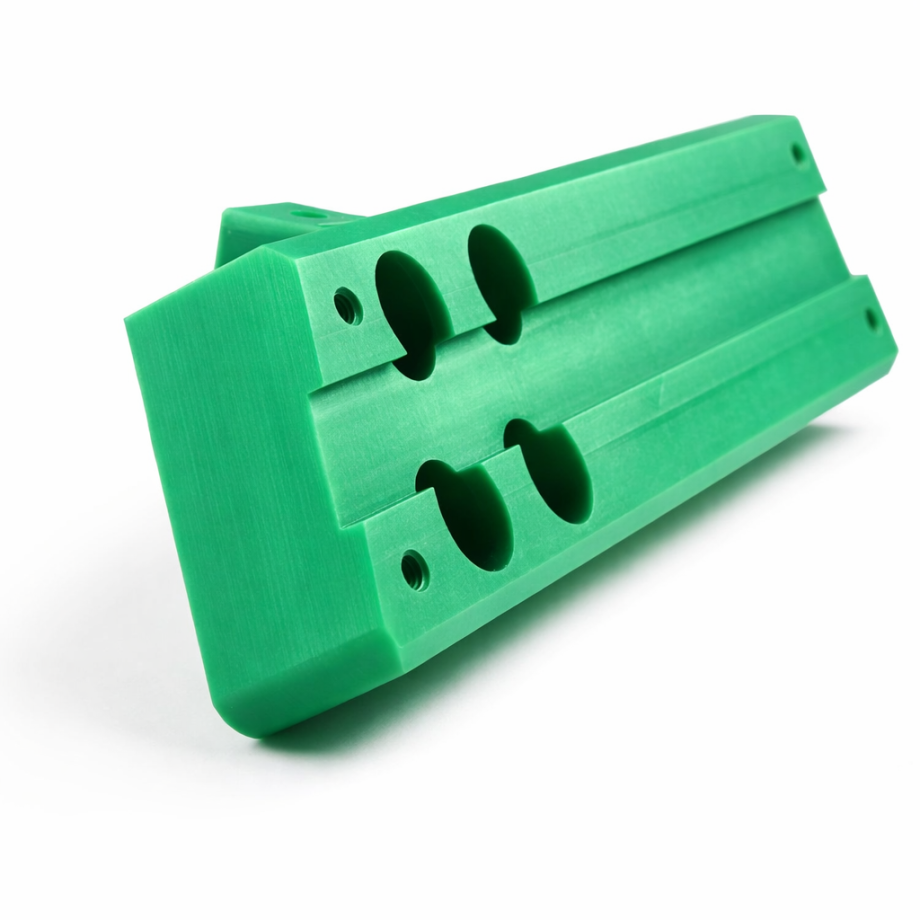
    UHMW-PE (PE1000) remains tough even at extremely low temperatures. At the same time, it is abrasion-resistant and achieves excellent friction coefficients. Typical applications include guides or gliding elements in cryogenic systems.
    Advantages of high-performance plastics over metals

    Metals often lose their toughness at very low temperatures and can break brittle. In addition, plastics conduct heat and electricity significantly worse than metals. In superconducting systems or sensor applications, this has a targeted insulating effect and prevents unwanted energy losses. Plastics are therefore essential for sealing and guide elements in cryogenic applications.

    Advantages of high-performance polymers at a glance:

    Lightweight

    Good sliding and wear properties

    Thermal and electrical insulation

    Corrosion resistance

    Flexible manufacturing processes such as CNC machining and 3D printing

    Hänssler: Development partner for plastic components in cryogenic applications and systems

    Selecting the right material is only a small part of the development and manufacture of plastic parts for cryogenic applications. In addition to in-depth knowledge of materials, it is also necessary to have a precise understanding of the effects of low temperatures on the component. For this reason, plastic parts for critical cryogenic applications should only be developed jointly by a cryogenic expert and a plastics expert.

    This is where our development partner approach comes in: We combine our plastics knowledge with your knowledge of the planned or existing cryogenic system to jointly determine the appropriate material and the correct design, including tolerances. We then manufacture an initial prototype, which must be tested on a test bench for critical applications. If the tests are successful, we can start with serial production.

    Manufacture of cryogenic components

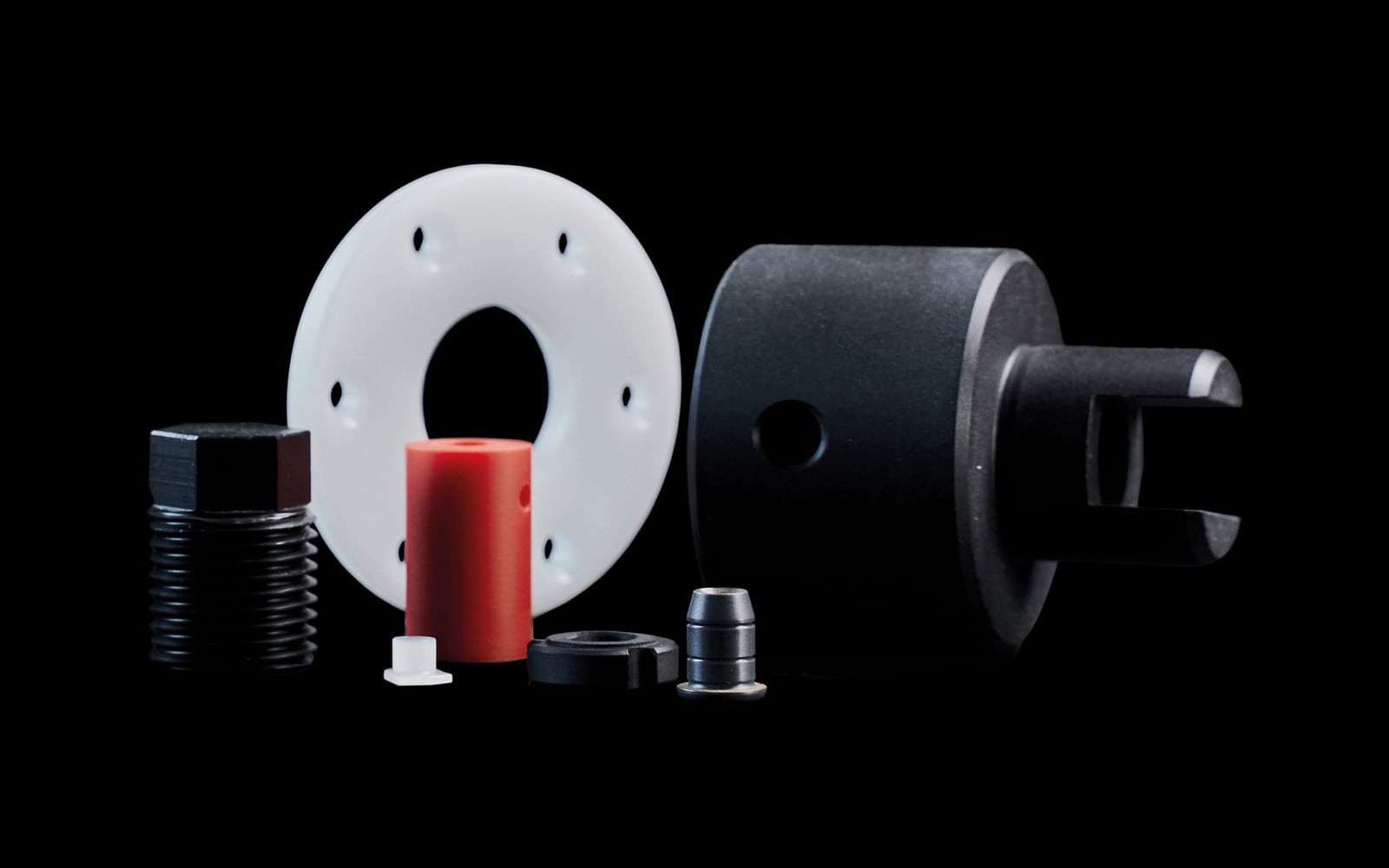
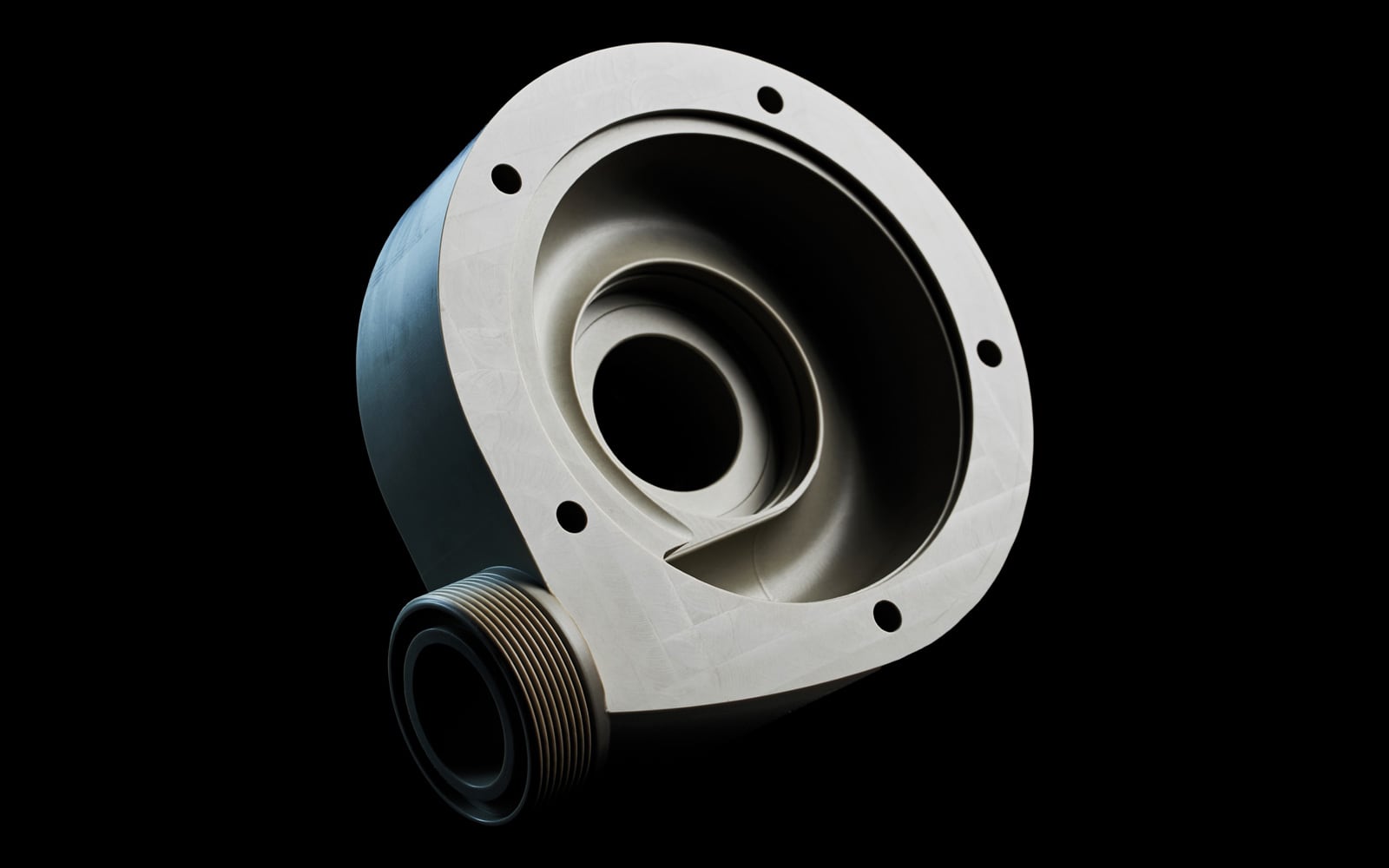
    The production, testing, and handling of cryogenic seals and plastic parts is highly specialized and differs significantly from components used in conventional applications. Even the smallest scratches, dimensional deviations, or surface defects can cause leaks and malfunctions at temperatures below -150 °C. Hänssler has decades of experience in handling these high-quality components and sees itself as a reliable partner for highly demanding applications. Turned and milled parts made of low-temperature plastics are found every day in Hänssler’s state-of-the-art production facilities.

    Color contrast
    Text
    Highlighting content
    Zoom