Top-Innovator 2026 – top100.de

When is an Viton® / FKM seal necessary?

Die Hänssler Kunststoff- und Dcihtungstechnik GmbH fertigt Dichtungen für Kunden aus ganz unterschiedlichen Branchen an. Dabei beherrscht sie sowohl Standardabmessungen als auch Sonderanfertigungen

An Viton® seal (also known as a FPM seal or FKM seal) is always necessary when standard elastomers such as NBR or EPDM no longer provide a reliable seal. This is the case with high temperatures, aggressive media, or long service life under pressure. However, Viton® seals also have clearly defined weaknesses that must be taken into account in the design. In addition, a regulatory component has recently emerged that is increasingly becoming a decisive factor in material selection.
When is an Viton® / FKM seal necessary?

An Viton® seal (also known as a FPM seal or FKM seal) is always necessary when standard elastomers such as NBR or EPDM no longer provide a reliable seal. This is the case with high temperatures, aggressive media, or long service life under pressure. However, Viton® seals also have clearly defined weaknesses that must be taken into account in the design. In addition, a regulatory component has recently emerged that is increasingly becoming a decisive factor in material selection.

Die Hänssler Kunststoff- und Dcihtungstechnik GmbH fertigt Dichtungen für Kunden aus ganz unterschiedlichen Branchen an. Dabei beherrscht sie sowohl Standardabmessungen als auch Sonderanfertigungen

What is Viton®? What is FKM? What is FPM?

Viton® is the brand name for a family of fluorinated rubbers introduced by DuPont in 1957 for aerospace applications. The brand has been owned by Chemours Company since the spin-off from DuPont in 2015. Comparable FPM/FKM compounds are also available from other manufacturers, such as under the brand names Tecnoflon® (Solvay), Dai-El® (Daikin), or Dyneon™ (3M).

Chemically, these are copolymers and terpolymers composed primarily of the monomers vinylidene fluoride (VF2), hexafluoropropylene (HFP), and — in higher-fluorinated grades — tetrafluoroethylene (TFE). Specialty grades additionally contain perfluoromethyl vinyl ether (PMVE) or other fluorinated vinyl ethers. The fluorine content directly determines chemical resistance and in a trade-off also low-temperature flexibility: More fluorine means greater resistance to media, but at the same time poorer performance in cold conditions.

FKM or FPM? Why are there two abbreviations?

FPM and FKM refer to the same material. The difference lies in the origin of the standards. The American ASTM D1418 standard uses FKM, as does the 2013 version of ISO 1629. In German-speaking countries, the older DIN designation FPM was in common use for a long time; it remains in use today in many data sheets, parts lists, and factory standards. In practical terms, this means: If you buy FKM, you get FPM, and vice versa. At Hänssler, we use FPM in our material designations because the designation is established in our market.

However, it is important to note: Both abbreviations, as well as Viton®, refer to the material class. They do not specify the specific family (A, B, F, GLT, etc.), the fluorine content, the cross-linking system, or the compound. Specifying an FPM / FKM seal does not constitute a technical specification; it merely identifies the material group.

Viton® / FKM seals from Hänssler and our application design

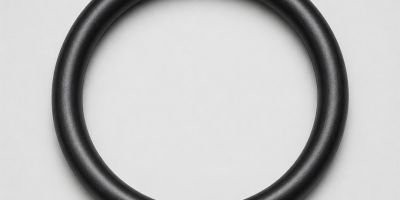
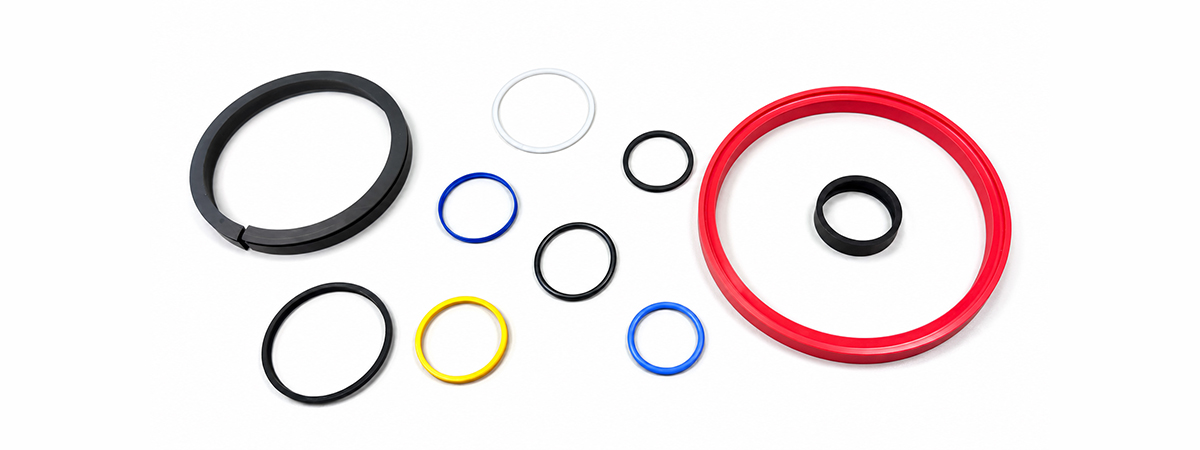
We use Viton® / FKM / FPM for O-rings, shaft seals, spring-loaded seals, high-pressure seals, individual profile seals, and custom geometries based on drawings. For applications involving high temperatures, aggressive media, or combined requirements, we work with you to evaluate the compound selection based on the specific medium, temperatures, pressure conditions, and required service life. Where standard FKM is insufficient, GFLT or ETP compounds are used; where a PFAS-free solution is possible, we evaluate the alternatives.

For safety-critical applications or regulatory requirements — food, pharmaceuticals, drinking water, BAM for oxygen-carrying systems — specific compound approval is mandatory. In many cases, a storage test in accordance with DIN ISO 1817 using the actual operating medium is the only reliable safeguard prior to series approval.

These are the FKM compounds we use

For plastic machining and the production of custom seals from semi-finished products, we offer several FPM compounds that meet a variety of requirements. The following overview shows how Hänssler compounds are classified within the FPM/FKM families:

Material No. Hänssler Material Hardness FKM Family Fluorine Content Temperature Range Cure System Special Feature / Approval
341 FPM 73A black 73 Shore A Type B 68 % –20 to +210 °C, short-term +280 °C Bisphenol Increased media resistance, good deformability
73 FPM 82A 82 Shore A Type A approx. 66 % –20 to +220 °C, short-term +300 °C Bisphenol AF Standard compound, good all-round resistance
75 FPM 80A FDA 80 Shore A, brown Type A approx. 66 % –20 to +220 °C, short-term +300 °C Bisphenol FDA 21 CFR 177.2600, 3A Sanitary, EU 1935/2004, EU 10/2011 (pH ≥ 4.5), TSE/BSE-free, GMP
518 FPM 80A FDA blue 80 Shore A, blue Type A approx. 66 % –17 to +200 °C Bisphenol Like FPM 80A FDA, plus optically detectable (blue) for food production
528 FPM 80A FDA metal-detectable 80 Shore A, blue Type A approx. 66 % –30 °C (static) to +200 °C, short-term +225 °C Bisphenol Like FPM 80A FDA, plus additionally metal-detectable (HACCP concepts)
936 FPM 82A 82 Shore A Type A approx. 66 % –20 to +220 °C Bisphenol Variant of the standard Type A
74 FPM 85A black 85 Shore A Type A approx. 66 % –20 to +210 °C, short-term +280 °C Bisphenol Higher hardness, lower tendency toward gap extrusion
76 FPM 85A ED 85 Shore A Type B 68.5 % –20 to +220 °C, short-term +300 °C Bisphenol NORSOK M710 (resistance to explosive decompression), for offshore, high-pressure gas and hydrogen applications
400 FPM 85A GLT 85 Shore A GLT 64 % –40 to +200 °C Peroxide Low-temperature flexibility (TR-10 approx. –40 °C)

Viton® seals vs EPDM, NBR and FFKM seals
When is FPM / FKM a better choice than NBR?

NBR is the standard choice for mineral oils and fuels —but only up to about +100 °C. Above this limit, NBR ages rapidly, becomes hard, and loses its resilience. FPM / FKM / Viton® withstands the same range of media at twice the temperature, offers better resistance to aromatic hydrocarbons, and is ozone- and weather-resistant, whereas NBR visibly ages.

For which applications is FPM/FKM more suitable than EPDM?

EPDM and Viton® are mutually exclusive in most applications. EPDM seals are resistant to water, steam, glycols, and polar media, but are not suitable for mineral oils, fuels, and hydrocarbons. FPM / FKM / Viton® seals are exactly the opposite: they offer excellent resistance to mineral oils and fuels, but have limited resistance to hot water and steam and can be problematic with polar solvents.

When is FFKM necessary?

FFKM (perfluoroelastomer, such as Kalrez® or Chemraz®) is an advanced version of FKM designed for universal resistance. It is compatible with virtually all media, and its temperature limit is even higher (up to approximately 320 °C for short periods). However, the price is 30 to 100 times that of Viton®. FFKM is not a general-purpose substitute, but rather a specialty material for chemical process engineering, semiconductor manufacturing, or pharmaceutical production, where the failure of a single seal can cause damage on a massive scale.

Typical applications for Viton® seals / FKM seals

Hydraulics and Pneumatics

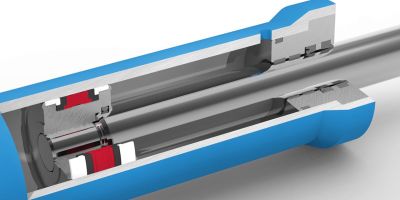
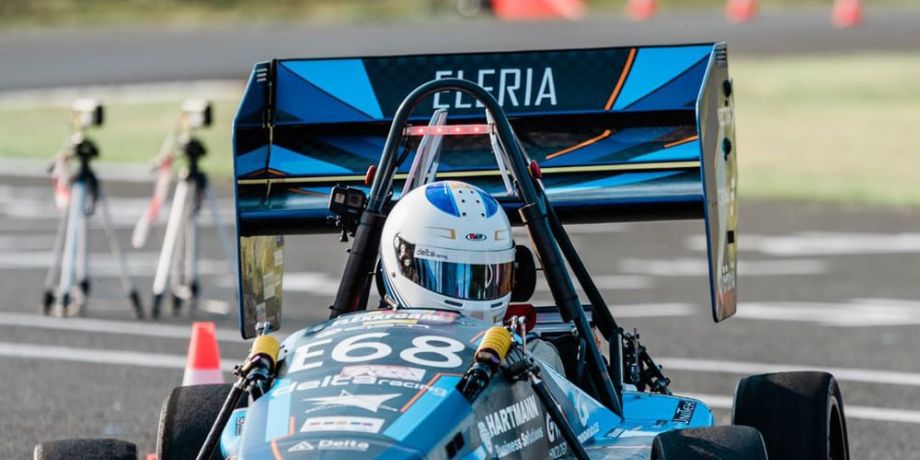
At temperatures above the NBR range, FPM / FKM / Viton® is the standard solution for hydraulic and pneumatic systems. Typical applications for FPM / FKM seals include high-temperature hydraulic power units, actuators in machine tools, compressed air systems with high compression temperatures, and pneumatic cylinders in hot environments such as rolling mills, paint shops, or forges. Viton® is also used in mobile hydraulics with high peak temperatures, for example in brakes or near engine components.
Ein Raketenstart von SpaceX

Engine and Drive Technology

Crankshaft oil seals, valve stem seals, transmission seals, fuel injector O-rings, and fuel system seals have been made from FKM as standard for decades. With the growing use of bioethanol and biodiesel blends, there is increasing demand for F and GFLT types, which limit swelling in oxygenated media.
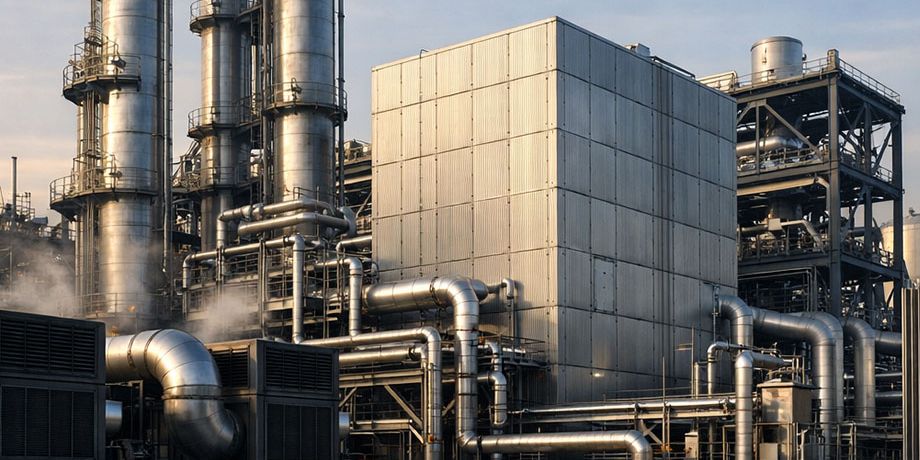
Industrieanlage mit hohen Destillationskolonnen, isolierter Cold Box und weitläufigem Rohrleitungssystem.

Chemical Engineering

Pump seals, diaphragms, flange gaskets, valve components, and lined parts in the chemical industry benefit from the broad chemical resistance of FPM / FKM / Viton®. For acids, mineral oils, aromatic solvents, and halogenated hydrocarbons, FPM / FKM is generally the most cost-effective solution. For amines and alkalis, the standard product is not suitable; in such cases, ETP types or FFKM are the preferred choice.
Ein Raketenstart von SpaceX

Food and Pharmaceutical Industry

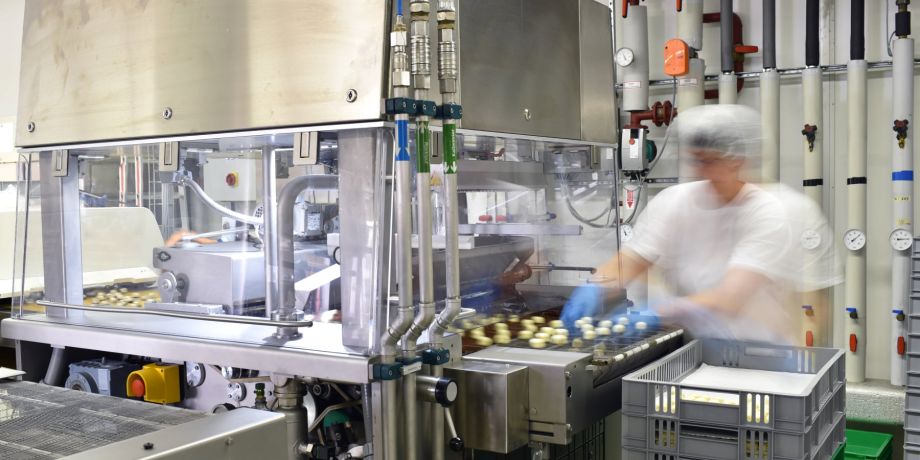
Viton® compounds with bisphenol or VC-50 cross-linking are available in FDA-compliant versions and can be used in food and pharmaceutical processes involving aggressive cleaning agents. However, suitability must be demonstrated on a case-by-case basis; common standards include FDA 21 CFR 177.2600, Regulation (EC) 1935/2004, and USP Class VI for pharmaceutical applications.
Start einer Trägerrakete mit hellem Abgasstrahl und Rauchwolken vor blauem Himmel an einer Startrampe.

Aerospace

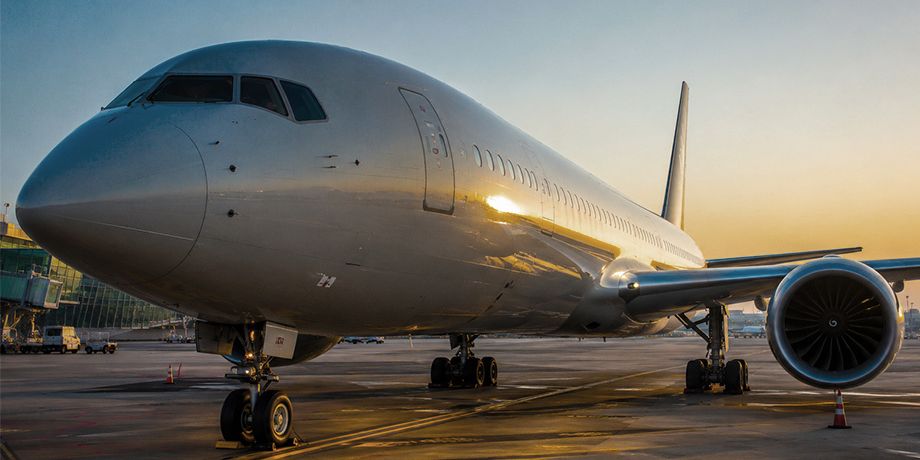
The original application area for Viton®. Here, engine components, fuel lines, and high-vacuum seals must withstand temperature fluctuations ranging from deep stratospheric cold to +300 °C. The combination of temperature resistance, vacuum compatibility (outgassing), and chemical stability makes FPM / FKM the standard material for static seals here.

Limits and the PFAS Debate

FPM / FKM / Viton® is a fluorinated material. This means that FPM / FKM falls within the scope of the ongoing European PFAS regulation discussion under REACH. The proposal submitted to ECHA in February 2023 by the authorities of Sweden, Germany, Denmark, the Netherlands, and Norway explicitly covers fluoropolymers. Even though the exact details of the restriction are not yet final and extensive transition periods are expected for many technical applications, the long-term materials strategy should take this into account.

In practice, this does not mean replacing FPM / FKM in the short term — the combination of temperature and media resistance simply cannot be achieved with non-fluorinated elastomers in many applications. However: Where a PFAS-free alternative works technically, it should be evaluated. For hot water and steam applications, EPDM is generally the better choice anyway. For mineral oils and fuels below 100 °C, NBR or HNBR is often sufficient.

Beyond regulatory considerations, the material-related limitations remain unchanged:

  • Standard FKM is not resistant to amines, strong alkalis, and low-molecular-weight ketones and esters.
  • Hot water and saturated steam attack FPM / FKM. Standard compounds not above +120 °C; peroxide-cured GF types or ETP for higher requirements.
  • In dynamic applications, the low-temperature limit is a real constraint. Anyone who needs to provide a flexible seal below –20 °C requires a GLT, GFLT, or GBLT variant.
  • The material cost is significantly higher than that of NBR and EPDM; it is only cost-effective for applications where temperature, media, or service life necessitate it.

The Viton® families and grades

The standard range is divided into three families, supplemented by special grades for applications where the standard grades are not sufficient.

Type Fluorine Content Composition Characteristics
A 66 % VF2 + HFP Standard dipolymer, best compression set resistance, widely used
B 68 % VF2 + HFP + TFE Better media resistance than A, especially against oxygenated fuels
F 70 % VF2 + HFP + TFE Highest resistance of the standard families, particularly against methanol and ethanol
GLT 64 % VF2 + HFP + vinyl ether Low-temperature variant (TR-10 approx. –30 °C), media profile similar to Type A
GFLT 67 % VF2 + HFP + TFE + vinyl ether Low-temperature variant with F-type media resistance (TR-10 approx. –24 °C)
ETP 67 % Ethylene + TFE + PMVE Resistant to amines, alkalis and low-molecular-weight carbonyls (MEK, acetone)

The specific choice of material depends on the application: If residual compression set is a primary concern, A-types are recommended. If broad media resistance is a priority, F-types are the best choice. If the material must withstand both low temperatures and aggressive media, GFLT compounds should be selected. For applications involving amines, alkalis, or ketones, all standard FKM compounds are unsuitable—ETP types or a switch to FFKM are required.

Temperature resistance

Viton® is primarily a high-temperature material. The following guidelines apply to standard compounds for hot-air aging:

Einsatzdauer Temperatur
3.000 h 232 °C (450 °F)
1.000 h 260 °C (500 °F)
240 h 288 °C (550 °F)
48 h 316 °C (600 °F)

What temperature range can Viton® withstand?

In continuous use, temperatures of 200 to 230 °C are realistic, and short-term peaks of up to around 300 °C are tolerated. By comparison, EPDM operates at around 130 to 150 °C, and NBR at around 100 to 120 °C—Viton® thus covers a temperature range in which almost no other cost-effective elastomer alternative exists.

The weak point lies at the lower end. For dynamic applications, standard compounds are only usable down to about –18 to –23 °C. Statically, lower temperatures are achievable, in special cases down to –54 °C. Those who require flexibility in cold conditions must turn to the special low-temperature grades: GLT achieves a TR-10 of approx. –30 °C, GFLT of approx. –24 °C. These values apply to the compound family; the specific data sheet for the compound is decisive in each individual case.

Chemical Resistance of FKM / FPM – Which Substances Is Viton® Compatible With?

Viton® is more resistant to a wider range of media than any other standard elastomer. The following table provides a guide for standard FKM (A, B, and F types):

Medium Resistance
Mineral oils, hydraulic oils ✓ excellent
Fuels, diesel, gasoline ✓ excellent
Aviation fuels (kerosene, JP types) ✓ excellent
Aliphatic hydrocarbons (hexane, heptane) ✓ excellent
Aromatic hydrocarbons (toluene, benzene) ✓ good to excellent (Type F better than A)
Mineral acids (HCl, H₂SO₄, HNO₃) ✓ good
Dilute alkalis ~ limited, static only and low concentration
Concentrated alkalis, amines (NaOH, KOH) ✗ not suitable (except ETP)
Methanol, ethanol, oxygenated fuels ✗ Type A not suitable, Type F good
Ketones (MEK, acetone), MTBE, esters ✗ not suitable (except ETP)
Hot water, saturated steam ~ limited, depending on cure system
Ozone, UV, weathering ✓ excellent
Oxygen, solar radiation ✓ excellent

Three points deserve special attention because they often lead to misinterpretations:

Oxygenated fuels. With the bioethanol content of modern fuels (E10, E25, E85), the performance requirements have shifted. Standard A-types swell by over 90 percent by volume in methanol and are practically unusable in this context. F- and GFLT-types swell by around 5 percent; they are the choice for modern fuel systems.

Hot water and saturated steam. FKM tends to undergo hydrolysis under hot water and steam conditions, causing the material to lose mechanical strength. Standard FKM should not exceed +120 °C in steam-carrying systems. Peroxide-cured GF compounds are significantly more robust here; ETP types are best suited. For pure hot water and steam applications, EPDM is often the technically and economically superior solution.

Bases, amines, ketones. Standard FKM containing VF2 (i.e., all A, B, and F types, as well as GLT and GFLT) is attacked by amines and strong alkalis. Only the ETP types are resistant here because they are formulated without VF2.

FKM / FPM Crosslinking Systems

Three cross-linking systems are relevant in practice. They differ not only in their processing but also influence the properties of the finished vulcanized product.

Property Diamine Bisphenol Peroxide
Processing safety (scorch) moderate very good very good
Cure speed slow fast fast
Demoldability poor good medium
Adhesion to metal inserts very good good good
Compression set moderate very good good
Resistance to water, steam, acid moderate good very good

When specifying an FKM seal, the type of cross-linking does not usually need to be specified directly—it is determined by the compound. However, anyone using an FPM seal in a steam-carrying or acid-containing application should specifically ask the supplier for a peroxide-cured version.

Frequently asked questions about Viton® seals

Is Viton® the same as FKM or FPM?

Yes, all three terms refer to the same base material: fluorocarbon rubber. Viton® is a registered trademark of Chemours (formerly of DuPont); FKM is the ASTM abbreviation, and FPM is the DIN/ISO abbreviation. Today, fluorocarbon rubber is also produced by manufacturers such as Daikin and Solvay.

What temperatures can an FKM seal withstand?

FKM is suitable for continuous use at around 200 °C, and higher peak temperatures are possible for short periods. The exact upper limit depends on the compound and the duration of use, as prolonged exposure to heat shortens the service life. This allows fluorocarbon rubber to be used in applications where standard elastomers such as NBR have already become hard and brittle.

Does FKM become brittle in cold weather?

Standard FKM loses its elasticity in cold temperatures, typically below about −20 °C. For dynamic sealing applications in cold conditions, choose low-temperature grades such as GLT or GFLT, which remain flexible down to about −30 °C, depending on the grade. The exact value is specified in the data sheet for the specific compound.

To which media is Viton® / FKM / FPM not resistant?

Standard FKM is not resistant to hot water and steam, amines, ketones, esters, or strong alkalis. Fluorocarbon rubber, on the other hand, is highly resistant to mineral oils, fuels, and many solvents, and has good resistance to mineral acids. Special grades or FFKM are required for critical media.

When is FKM a better choice than NBR or EPDM?

FKM is the best choice when high temperatures and aggressive media are present. NBR is less expensive and suitable for oils, but it degrades rapidly at temperatures above about 100 °C; EPDM is suitable for hot water, steam, and brake fluid, but does not perform well with mineral oils. Since fluorocarbon rubber is significantly more expensive, it is most cost-effective in applications where simpler materials are not suitable.

Who will produce Viton® seals for me?

Viton® / FKM / FPM seals can be requested from Hänssler Kunststoff- und Dichtungstechnik via the contact form, by phone, or by email. In addition to standard profiles, Hänssler can also produce custom seals.

Color contrast
Text
Highlighting content
Zoom