
Top-Innovator 2026 – top100.de

Seals for the food industry

  • Home
  • Sealing Technology
  • Food Industry
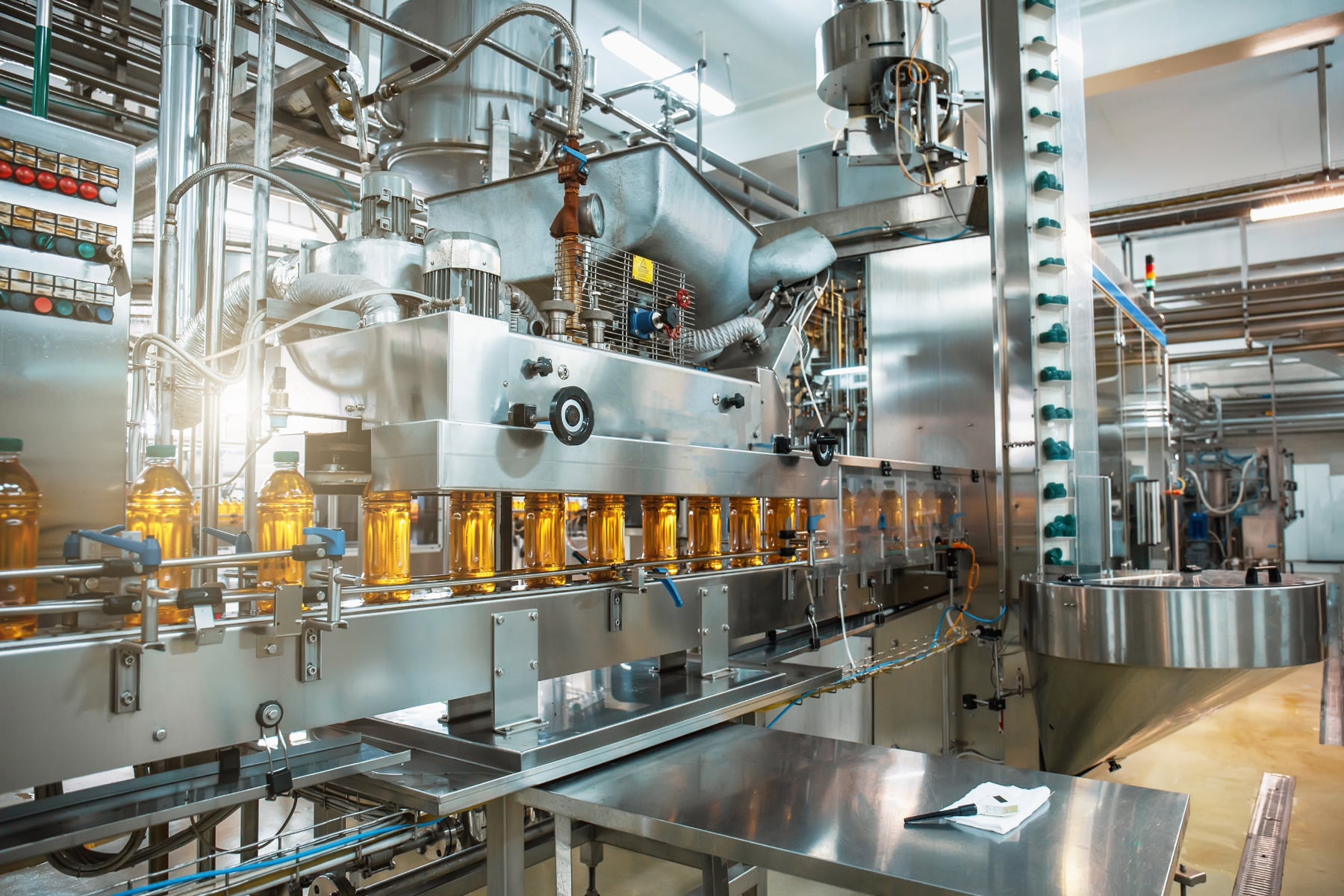
  • Getränkeflaschen auf einem Förderband

    Sealing solutions for the food industry

    Mechanical engineering plays a crucial part in food & beverage production, processing and packaging. Machines are vital when it comes to making sure processes are efficient and safe. In this context, reliable seals are irreplaceable for the food industry. A leak is an absolute “no-go” as it can jeopardize product safety and product quality. The seals must meet adequate high requirements and standards. This is essential to ensure the quality of the food at all times and to avoid any risks to humans and animals.
    Special requirements for seals in food & beverage

    Seals in the food industry must meet specific requirements:

    Sterilizable seals

    Seals in the food industry must meet specific requirements

    Detectable seals

    It is crucial to be able to easily detect foreign bodies in food. A seal must therefore be detectable.

    Traceable seals

    Many customers want seals to be traceable

    Seals FDA compliant

    For international trades, but also within the EU, FDA approval (“FDA compliant” or the “FDA certificate”) is often requested. It should be noted that the U.S. Food and Drug Administration (FDA) is more an authority than an approval itself. Therefore, always equest FDA approval with the CFR article, you or your customer require. For rubber products in contact with food, CFR Title 21, Chapter 1, Subchapter B, Part 177, Subpart C and Section 2600, often labeled as FDA 21 CFR 177.2600, is usually relevant.

    Seals EU 1935/2004 and EU 10/2011

    It is the European equivalent of FDA approval, when it comes to food contact. This EU conformity is always required, if the seal is intended to come into contact with food. EU 1935/2004 is the regulation for almost all materials that come in contact with food, while EU 10/2011 is the regulation specifically for plastic articles.

    Food safe seals and sterilization

    Seals for the food industry require complex profiles for the materials and the seal geometry. This also includes chemical resistance to cleaning agents and the hydrolysis resistance of the seals during steam sterilization. At the same time, there are high requirements with regard to thermomechanical properties. Last but not least, a low tendency to absorb and transfer aromas is essential.

    Suitable sealing materials for food & beverage

    A variety of materials can be used in food processing machinery to meet the desired requirements:

    NBR (nitrile rubber):

    Excellent resistance to oils and greases.

    FPM / FKM (fluororubber, known as Viton®):

    Particularly resistant to high temperatures.

    EPDM (ethylen- propylene-diene rubber):

    Ideal for applications involving steam and hot water environments.

    PU (polyurethane elastomer):

    Very resistant to abrasion

    TPE (thermoplastic elastomers):

    Especially versatile and easy to process. VMQ (silicone rubber): Temperature-resistant and flexible.

    VMQ (silicone rubber):

    Temperature-resistant and flexible.

    PTFE (polytetrafluoroethylene, known as Teflon®):

    Resistant to a wide range of chemical agents.

    UHMWPE (ultra-high molecular weight polyethylene):

    Outstanding wear resistance.

    Why are food seals blue?

    Blue has now become firmly established in the food industry. The special shade of blue is very rare in natural ingredients. Contamination with a blue part is therefore easier to detect than, for example, natural colors, brown or green. Hänssler has an extensive portfolio of materials in blue to produce seals and plastic parts for the food industry.

    PFAS ban & alternatives for food engineering

    PFAS is the abbreviation for per- and polyfluorinated chemicals. The European Chemicals Agency (ECHA) is examining a proposal to ban PFAS groups. The possible elimination of fluoroplastics in sealing technology would have serious consequences. PTFE is the all-rounder and has been meeting complex requirements for years. It is used successfully in the food industry aswell. What should be the next step if PFAS is banned? Are there reliable PFAS alternatives? Depending on the application and area of use of a seal, there are different requirement profiles, meaning that alternative materials can be used in individual cases. Design changes to the sealing concept or the system in combination with PFAS free seals can create new solutions. Our experts will be happy to advise you on your individual application.
    Lebensmittelindustrie PFAS Verbot

    Applications of seals in the food industry

    Food-safe seals are required in many applications. These can be, for example, mixers, steam cookers, ovens, cutting machines, filling machines or packaging machines. Professional sealing solutions prevent contamination and guarantee the safety and shelf life of the food.

    We are your partner for complex sealing solutions with food contact
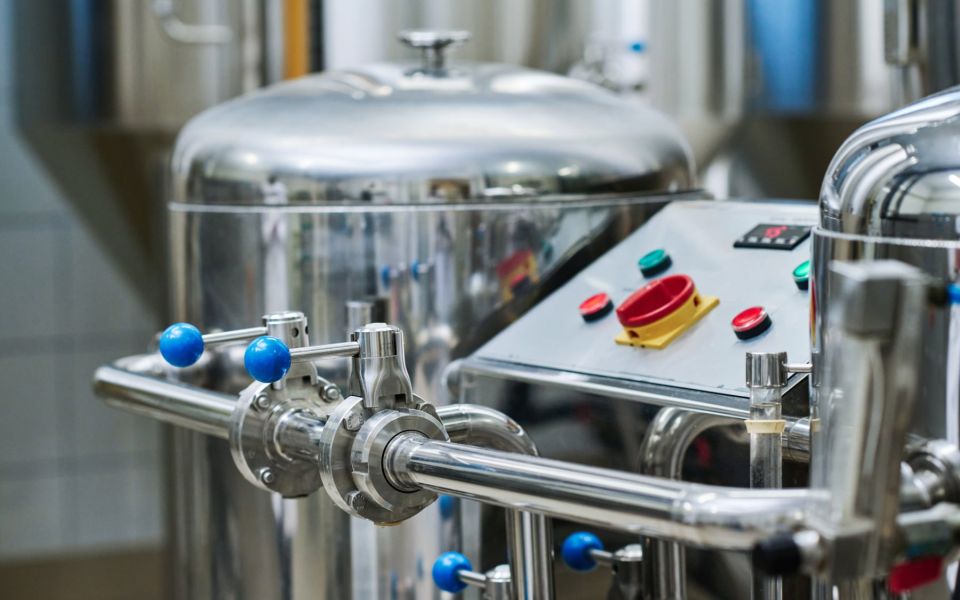
    We already serve numerous customers in the food sector (filling, packaging, cutting, preparation, catering equipment, …) and are familiar with the specific requirements of a wide range of applications. Our colleagues at the product / material compliance department will be happy to help you on declarations of conformity. Together, we will find and provide you with the suitable materials and the required conformities such as EU 1935/2004, EU 10/2011, FDA food, POP, REACh, RoHS, conflict minerals (CMRT), mica (EMRT) and many more. In the event of a PFAS ban, we can support you in finding alternatives that are specifically suited to your area of application. In addition to sealing technology, we also offer you subtractively and additively manufactured plastic parts in almost all dimensions and materials for the food industry. For more information and customized solutions in the field of food technology, contact us today. We are happy to assist you with our specialist expertise and in-depth understanding of the needs of mechanical engineering in food and beverage.
    Lebensmittelindustrie Maschine
    Color contrast
    Text
    Highlighting content
    Zoom