 Scrapers
 Rod seals
 Piston Seals
 Guide rings
 Back-Up rings
 O-Rings / X-Rings
 Flat seals
 Spring-loaded seals
 Radial shaft seals
 Rotary seals
 High pressure seals
 Sealing sets
 O-ring measuring towers
 Turned parts
 Milled parts
 Turned and milled parts
 Bushes or bearings


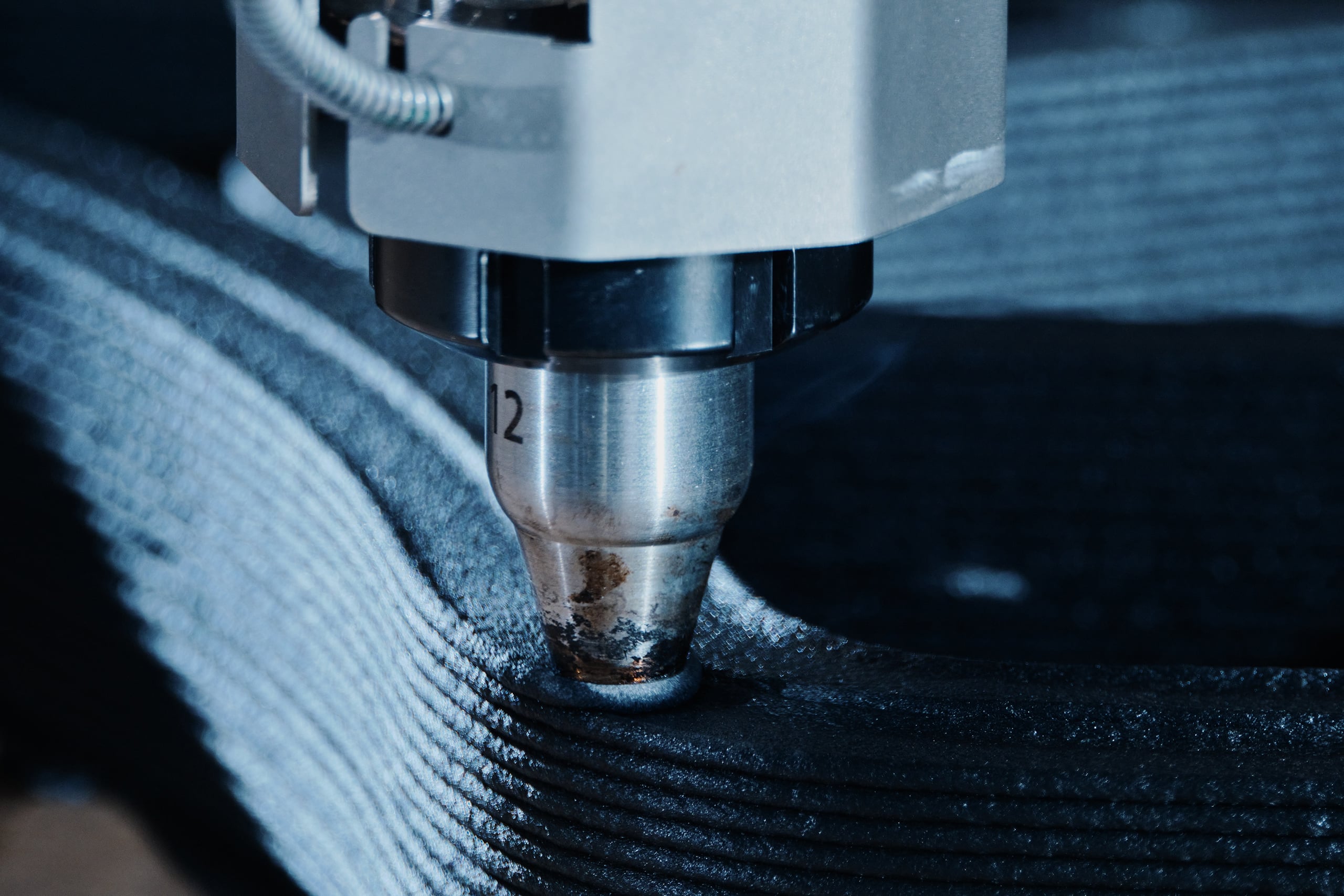
 Large format 3D printing
 Post-processing of 3D printed parts
 Heat-resistant 3D printed components
 Plastic Components with Flame Retardancy





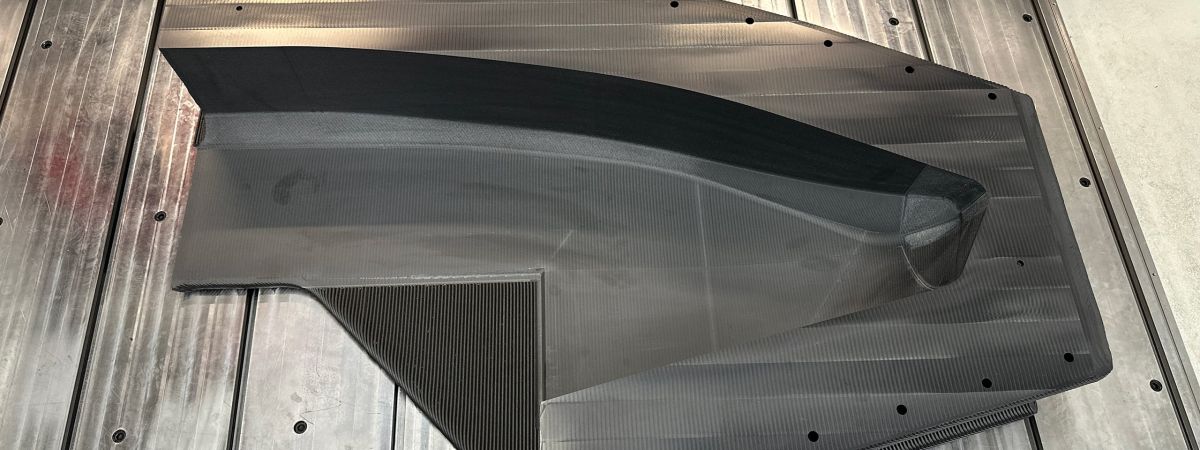
Mold making is as old as industrialization itself. Some of the technologies, materials and processes used are just as old. New processes can revolutionize entire industries, make them more efficient or more sustainable – and thus help to remain competitive. In modern toolmaking, such as GRP mold making and fiberglass mold making, 3D printing mold making is increasingly being used to produce a GRP negative mold or a precisely fitting casting model, for example. With LFAM, not only sand casting models and other individual models can be realized, but also a complex deep-drawing mould. Whether a casting model made of wood, a casting model made of polystyrene or plastic, 3D printing mold making shortens development times and saves material.
What exactly is mold making with different casting pattern types?
Making a mold is the development and production of negative tools (mold making for negative molds), which are used in series production to manufacture components from plastics, metals or composite materials with precise fit and repeatability. In addition to traditional processes such as plaster mold making or concrete mold making, additive processes such as 3D printing mold making are also used today – often in combination with CNC milling or hybrid processes. The result: high precision, excellent surface quality and maximum resource efficiency. Professional mold making shortens development cycles, reduces unit costs and increases quality and sustainability.
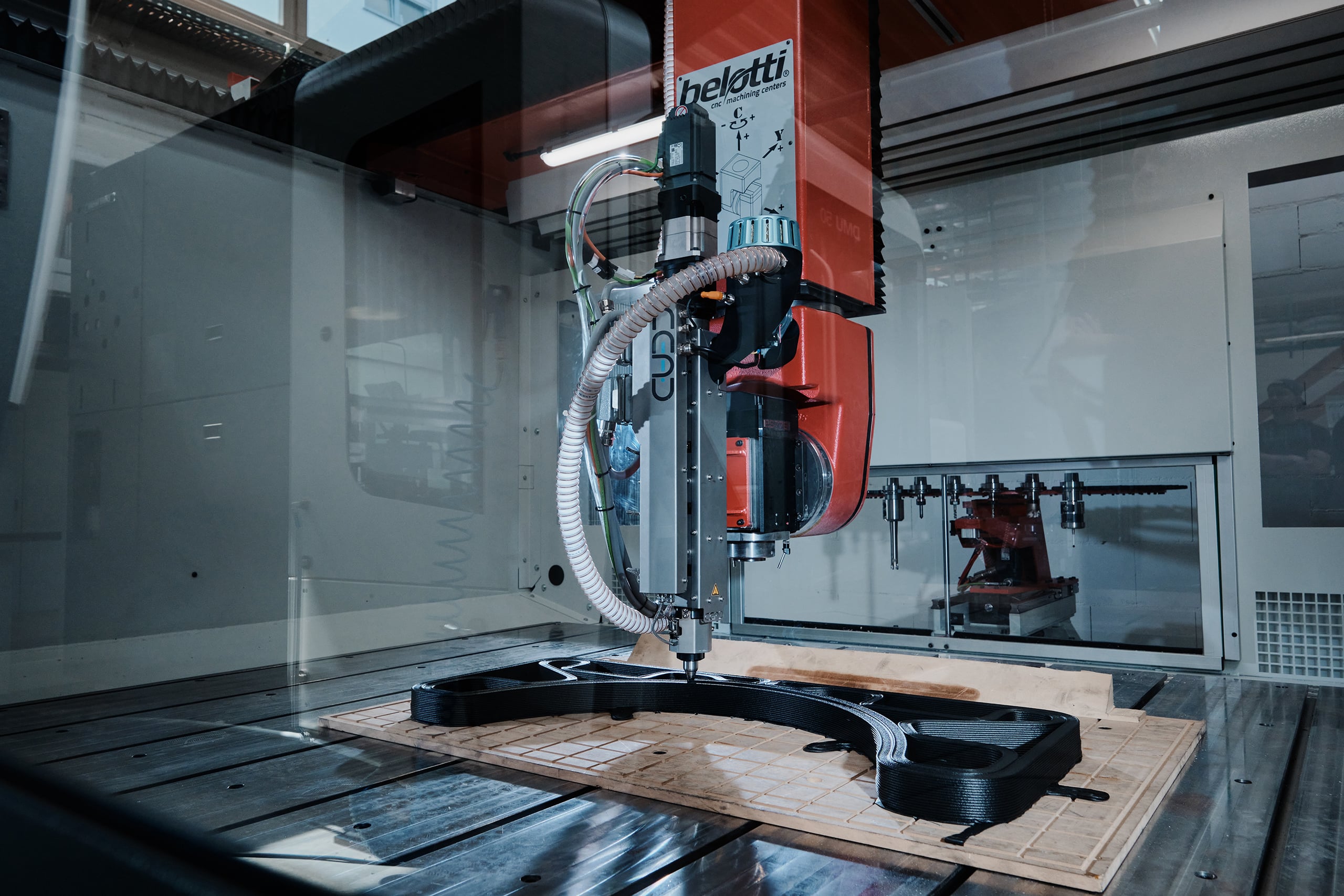
Why is 3D printing mold making with the LFAM process suitable?
Large molds for manual laminating processes have been benefiting from the innovative LFAM process for some time now. Expensive aluminum or wooden tools can also be replaced by a printed deep-drawing mold in vacuum deep-drawing. LFAM is ideal for sand casting models, casting patterns or GRP negative molds in the mold making sector. It even opens up new perspectives in mold making, model making, concrete casting molds and plaster mold making.