 Scrapers
 Rod seals
 Piston Seals
 Guide rings
 Back-Up rings
 O-Rings / X-Rings
 Flat seals
 Spring-loaded seals
 Radial shaft seals
 Rotary seals
 High pressure seals
 Sealing sets
 O-ring measuring towers
 Turned parts
 Milled parts
 Turned and milled parts
 Bushes or bearings


 Large format 3D printing
 Post-processing of 3D printed parts
 Heat-resistant 3D printed components
 Plastic Components with Flame Retardancy





Large plastic parts
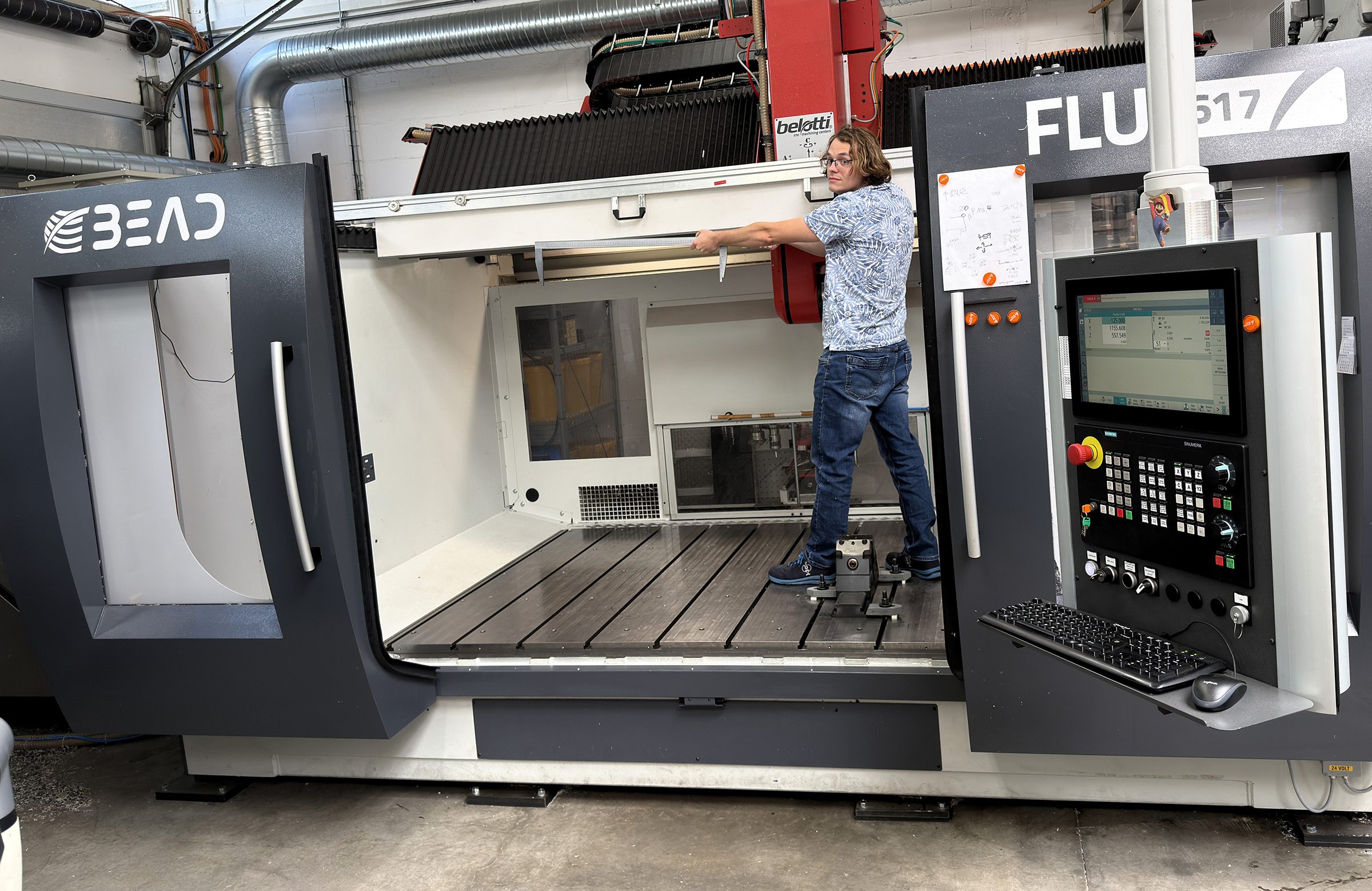
We get involved early in the design process and verify whether the material is available in the required dimensions. Our design engineers provide modification suggestions directly in your CAD software, ensuring that the geometry can be manufactured as a milled part.
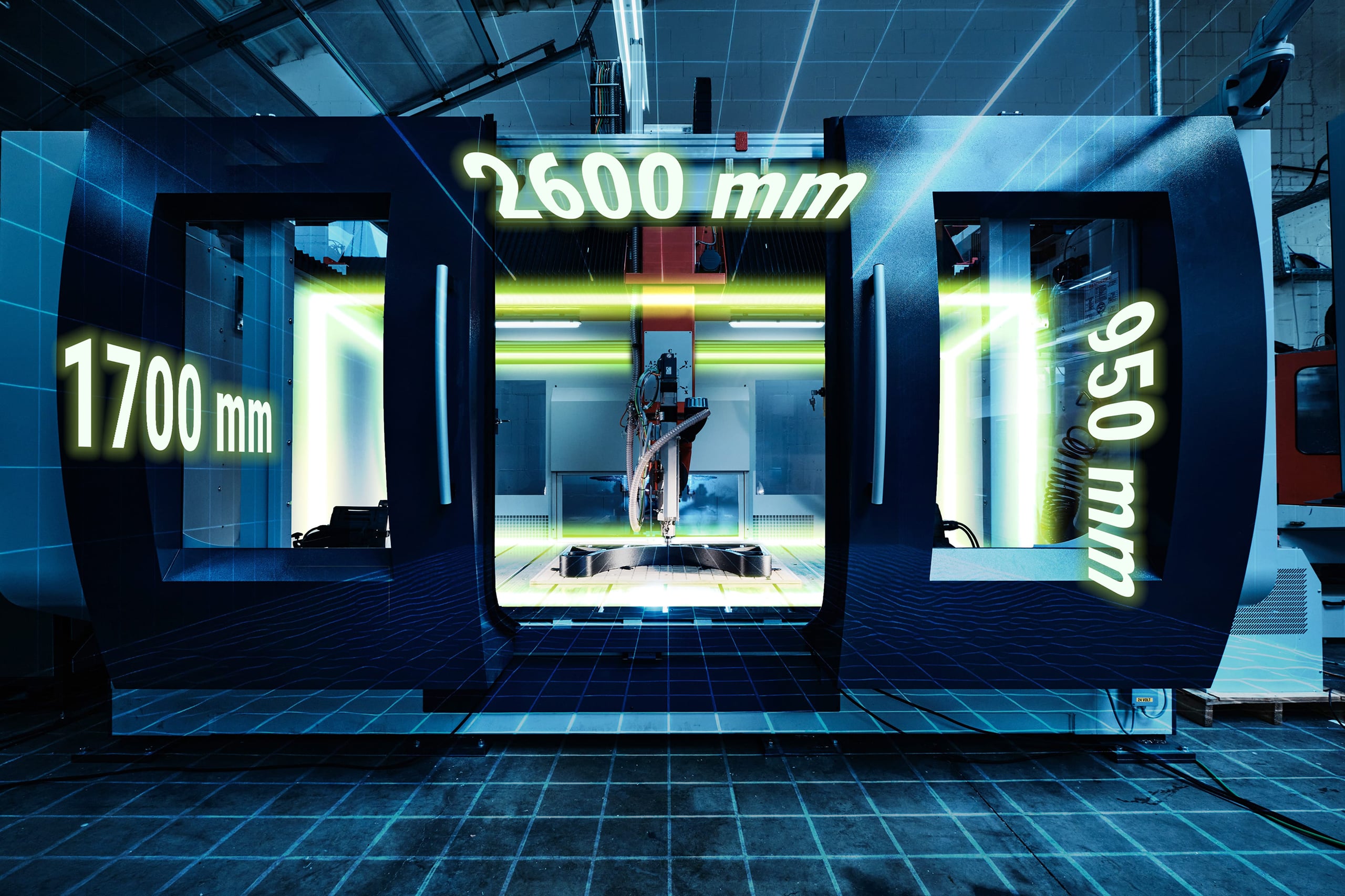
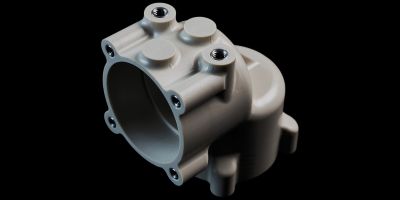
When it comes to plastic milling, we process any plastic that exists as a semi-finished product, regardless of whether it was pressed, cast, or extruded. The range of materials is therefore vast, extending from PTFE for large-area insulation panels at LNG terminals to PVDF for chemical-resistant valve bodies in semiconductor manufacturing, all the way to PEEK.
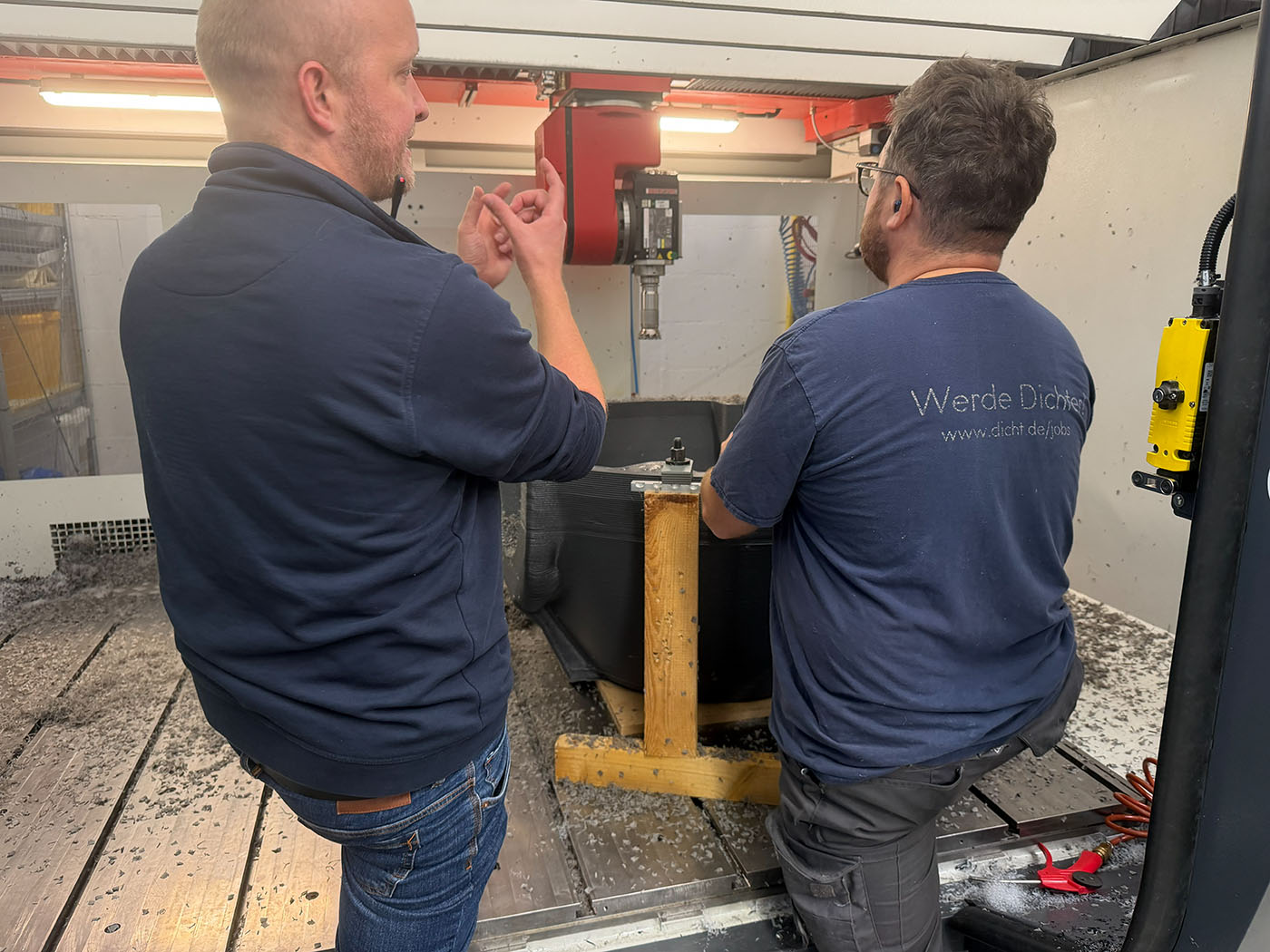
What do I need to keep in mind when designing large milled parts?
The same principles generally apply to the construction of large milled parts as to smaller ones. However, these principles may vary slightly due to the size. For example, the weight may be greater, meaning the geometry or material must be selected appropriately. Significant warpage can be caused by internal stresses in semi-finished materials, so pre-treatment of the blank and the appropriate machining strategy are of great importance. In addition to these more obvious factors, the availability of semi-finished materials also plays a decisive role in the design of large milled parts. PE and POM are often available as large sheets. However, the availability of high-performance plastics such as PEEK, PI, or PPS drops dramatically.
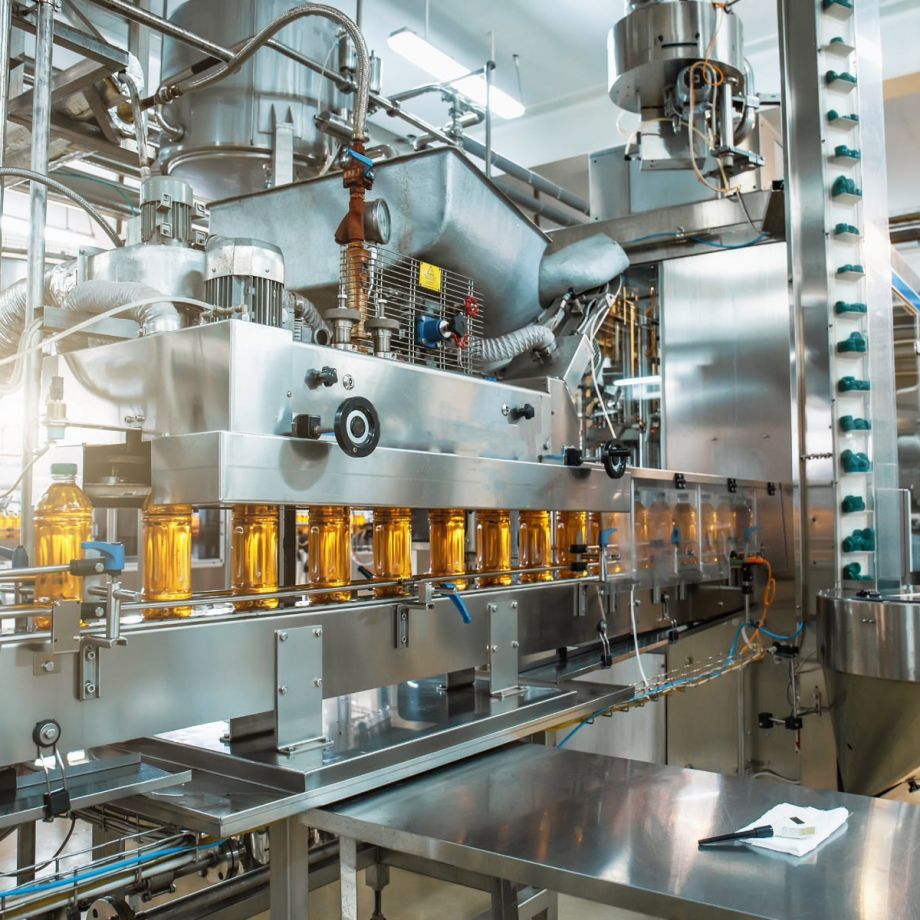
Food Industry
In the food industry, chain conveyors, filling systems, and sorting machines transport products via slide rails, guide rails, and transport screws. These components are often longer than one meter, and every seam or joint is a hygiene weak point where germs can accumulate. In addition, smooth surfaces are a hygiene necessity: the smoother the surface, the fewer points of attachment for biofilm.
Materials:
- PE-UHMW
- POM
- PP
- PA
- PEEK
- PTFE
Typical parts:
- Slide bars for chain conveyors
- Guide rails
- Sprockets
- Dosing elements
- Conveyor screws
- Scraper bars
- Hopper liners
- Pump housings
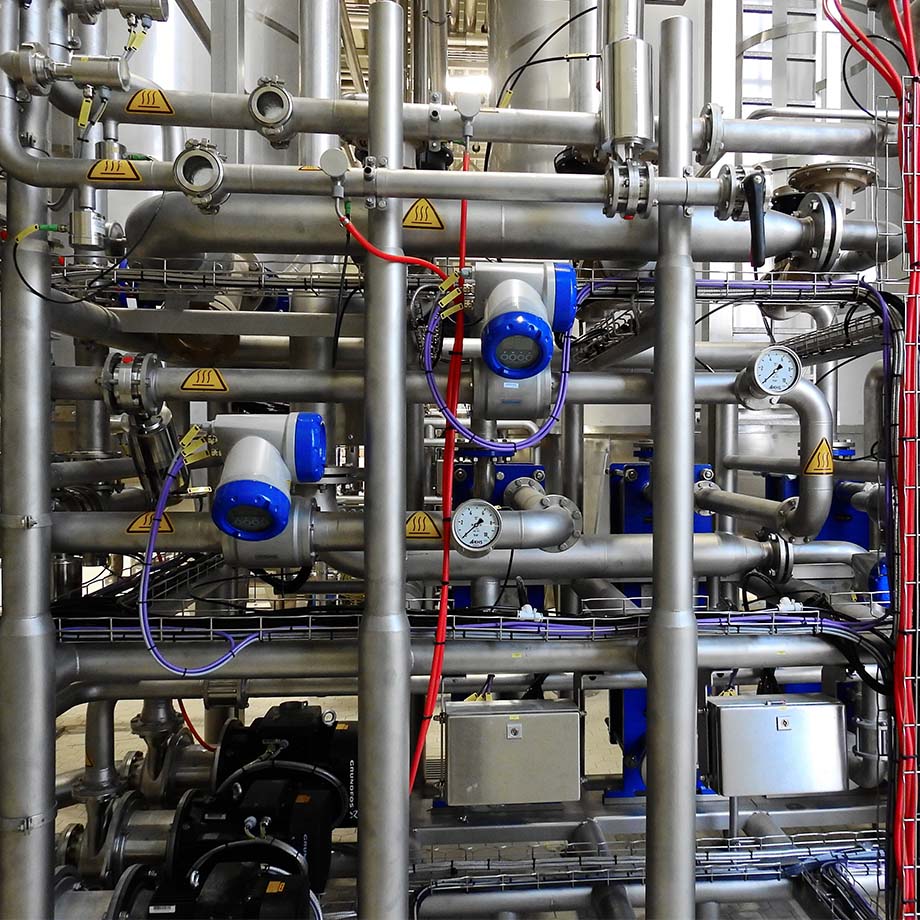
Valve Technology
POM is the material of choice for valve bodies in water, compressed air, and neutral media. PA is used when mechanical loads are higher. For aggressive chemicals or high temperatures, PTFE, PVDF, or PEEK are used. Regardless of the material, the following applies: Every rough spot on the sealing surface causes leakage. For large valve bodies measuring 600 mm or more, manufacturing tolerances can quickly add up, especially when re-clamping is required.
Materials:
- POM
- PA
- PP
Materials for aggressive media:
- PTFE
- PVDF
- PEEK
Typical Parts:
- Valve Bodies
- Valve Seats
- Ball Valves
- Ball Seats
- Gate Valves
- Diaphragm Valve Housings
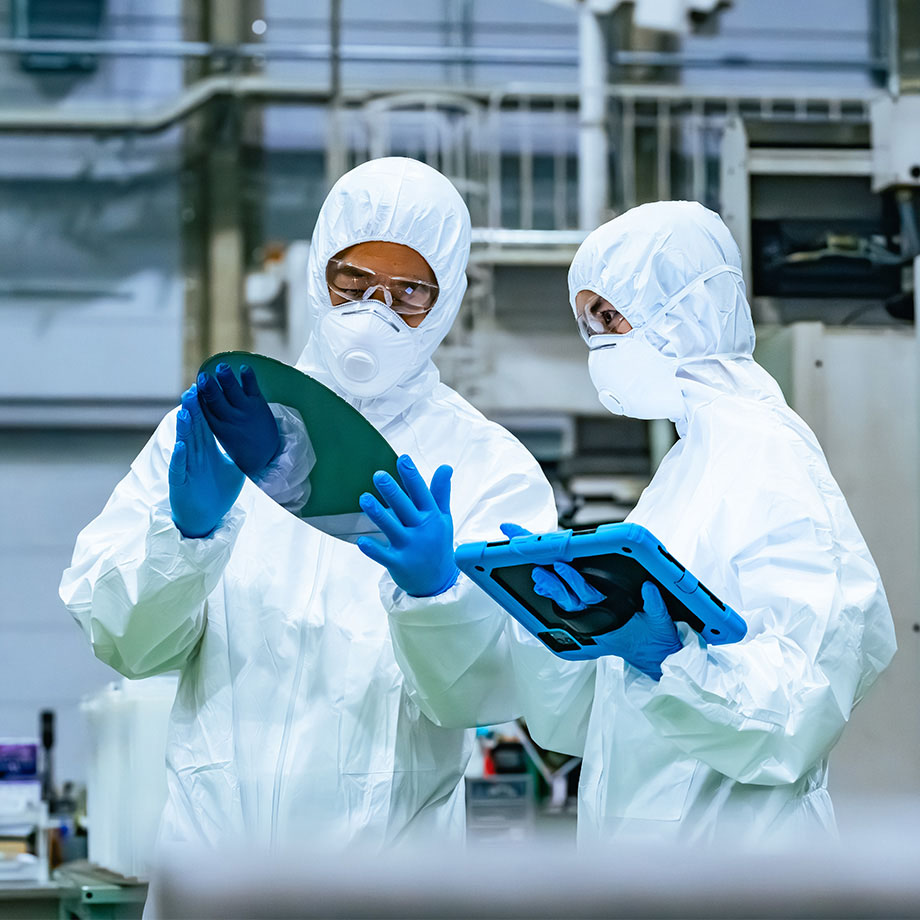
Semiconductor Industry
In semiconductor manufacturing, purity is critical. Even a single particle on the wafer can render the chip unusable. The smooth surfaces of milled parts minimize particle buildup. The requirements for chemical purity, outgassing behavior, and media resistance call for high-performance materials.
Materials:
- PTFE
- PVDF
- PEEK
- PFA
- PI
Typical Parts:
- Valve bodies
- Wafer carriers
- Linings for wet benches
- Filter housings
- Spacers for plasma etching systems
Medical Technology
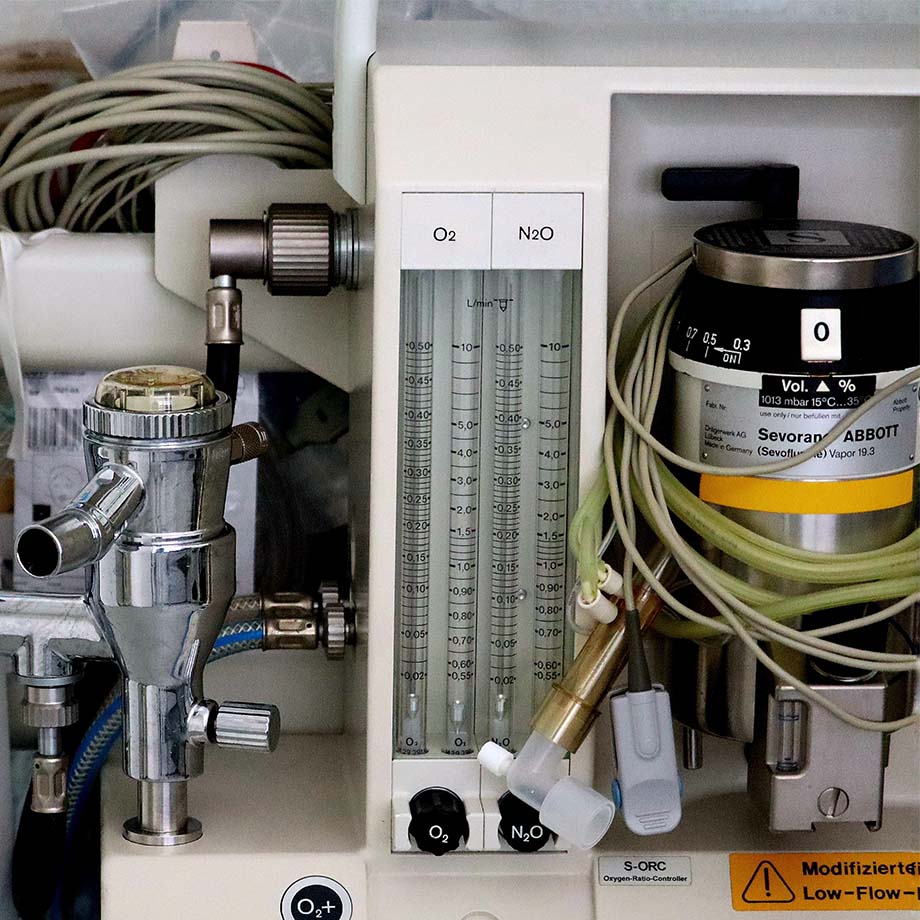
Plastic parts for medical technology are highly demanding, and the requirements for these parts are correspondingly diverse. Sterilizability, surfaces that are easy to clean, as well as complex and intricate designs are common.
Materials:
- POM
- PA
- PE-UHMW
- PEEK
- PPSU
- PTFE
- PI
Typical Parts:
- Housings for analytical instruments
- Sterilization containers
- Instrument guides
- Sliding surfaces in laboratory equipment
- Covers for imaging systems
Chemical and Process Industries
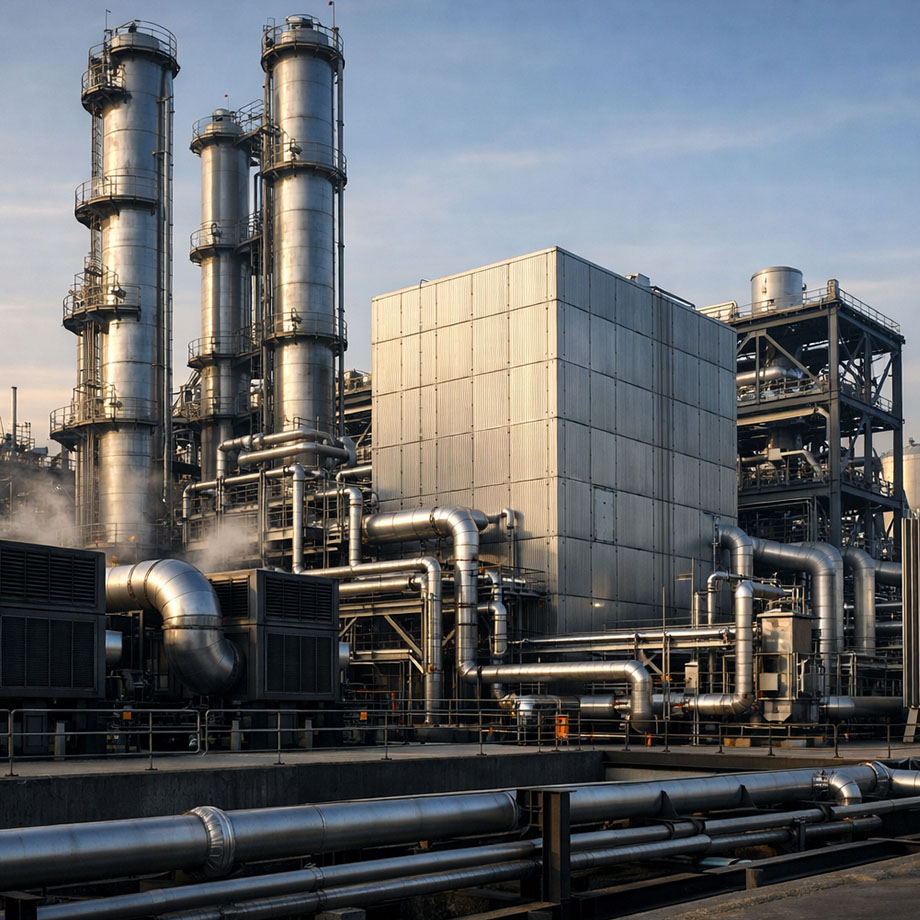
PP and PE are the workhorses of chemical process engineering. They are resistant to a wide range of media and are also available in large semi-finished formats, making them particularly cost-effective when used as large milled parts. Tank linings, drip pans, and piping components are often made from these materials. POM replaces metal parts in valves and pumps when handling neutral or mildly aggressive media. PTFE may be necessary for high temperatures, concentrated acids, or ultra-pure media. The smooth surfaces of milled parts prevent media residues from accumulating. Additionally, tight tolerances are required for sealing elements.
Materials:
- PP
- PE
- POM
- PA
Materials for aggressive media:
- PVDF
- PTFE
- PPS
- PEEK
Typical parts:
- Valve bodies
- Valve seats
- Pump housings
- Flanges
- Tank linings
- Filter plates
- Fittings
- Drip pans
Energy Sector
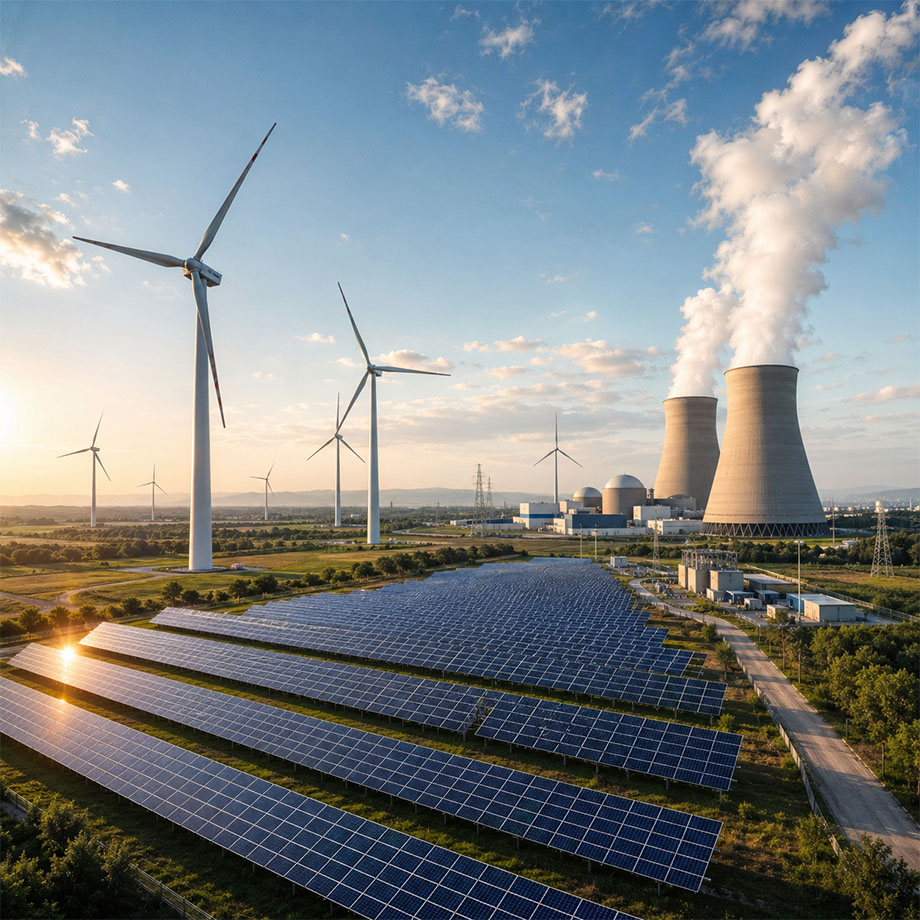
Power plants, wind turbines, and LNG terminals have different requirements, but they share one thing in common: the components are large, the loads are continuous, and outages can quickly cost five-figure amounts per hour. In wind turbines, plain bearings and guide elements made of POM operate under continuous load. PA is used for its higher toughness and impact resistance, for example in structural elements and fastening components. Wear linings and damping elements made of PU protect steel structures from abrasion and vibration. In the LNG industry and hydrogen economy, PCTFE or PI is used at temperatures below −160 °C. PI can also be used in nuclear power plants and particle accelerators. Tight tolerances are critical everywhere—whether a bearing bush fits without play, a lining closes flush, or a sealing surface remains leak-free during thermal contraction.
Materials:
- POM
- PA
- PU
- PE-UHMW
- PTFE
- PCTFE
- PEEK
- PI
Typical parts:
- Plain bearings
- Guide elements
- Wear linings
- Damping elements
- Insulating plates
- Valve seats
Large CNC-machined parts or LFAM?
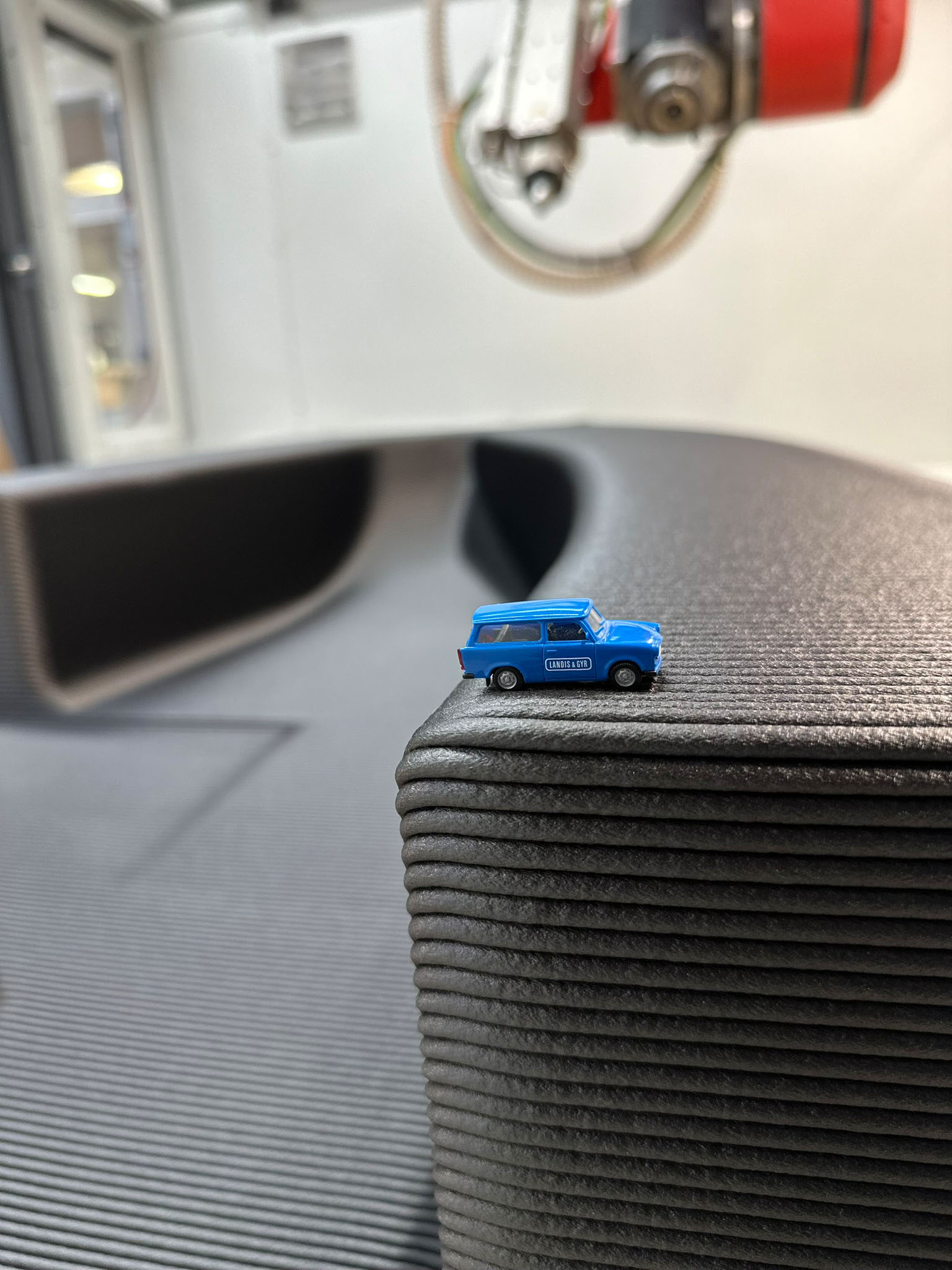
As a manufacturer of plastic milled parts, we repeatedly encounter technical limitations. For example, many semi-finished products made of engineering plastics are only available up to certain sizes because they cannot be manufactured due to process constraints. This is where we, as your development partner for plastic milled parts, utilize our Large-Format Additive Manufacturing (LFAM) technology. Using an extruder in our machining center, we produce our own blank that closely matches the part’s contours from the desired plastic.
In addition to the major advantage that this process makes it possible to manufacture a plastic part from the material in the first place, we save a significant amount of machining time and reduce waste, since we do not mill from a solid block but only remove a few millimeters of material—because the printed semi-finished product closely matches the final geometry.
When is it worth switching from aluminum to plastic?
At 1.30 g/cm³, PEEK weighs less than half as much as aluminum, which has a density of 2.70 g/cm³. The weight savings are therefore a key property. Even more important, however, is that the plastic does not corrode, even in humid or chemically aggressive environments. For a housing used outdoors or in process engineering, this means: no anodizing, no coating, and no maintenance required due to corrosion damage. At the same time, the plastic provides electrical insulation, which eliminates the need for additional insulating layers in electrical engineering.