 Scrapers
 Rod seals
 Piston Seals
 Guide rings
 Back-Up rings
 O-Rings / X-Rings
 Flat seals
 Spring-loaded seals
 Radial shaft seals
 Rotary seals
 High pressure seals
 Sealing sets
 O-ring measuring towers
 Turned parts
 Turned and milled parts
 Bushes or bearings


 Large format 3D printing
 Post-processing of 3D printed parts
 Heat-resistant 3D printed components
 Plastic Components with Flame Retardancy






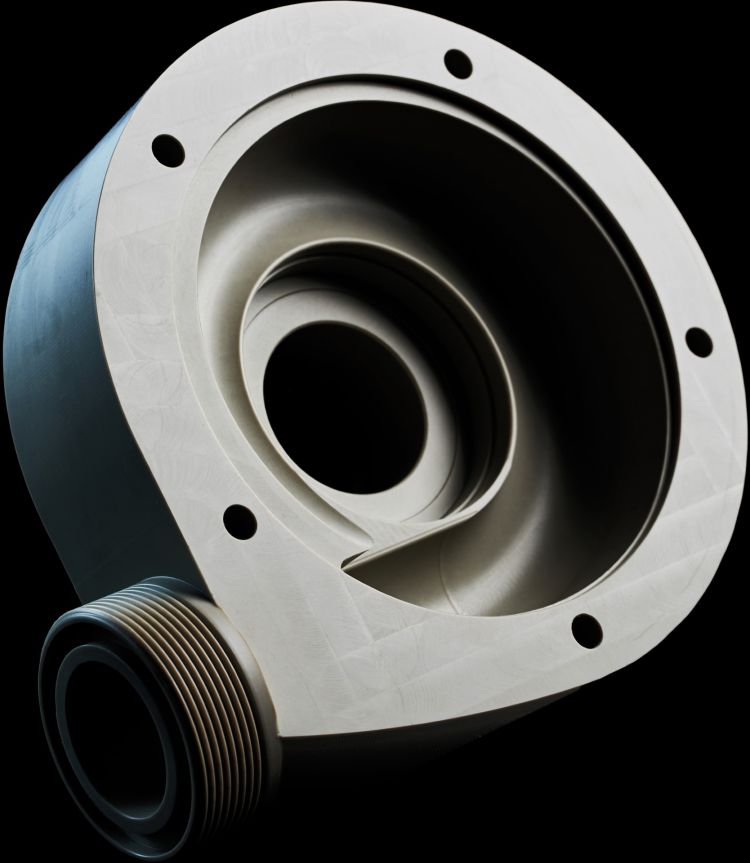
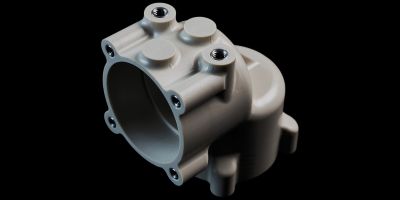
Plastic Milled Parts from Hänssler
As specialists in plastics processing, our machinery covers the entire range of services. We machine engineering plastics such as POM, PET, and PC, as well as high-performance plastics such as PEEK, PAI, and Vespel®/PI.
Using our CNC milling machines, we manufacture intricate precision parts from over 160 materials, some of which are only a few centimeters in size. Furthermore, we mill large-format plastic components on our largest 5-axis CNC machining center, which has a working area of 2600 × 1700 × 950 mm. Of course, we also produce all sizes in between these two values, although it should be noted that the maximum and minimum sizes always depend on the geometry and material.
Development Partner for Milled Parts
You can hire us as a contract manufacturer and provide us with your technical drawings. However, our true strength lies in our role as a development partner. Right after you send your initial inquiry, we review the CAD data together with you, assess feasibility, and advise you on material selection. If necessary, we optimize the design directly in your CAD software and adapt the geometry to the tool paths. Where required by the intended application, we also verify compliance. After manufacturing and quality assurance, we support you through the prototyping phase and transition your component to series production.
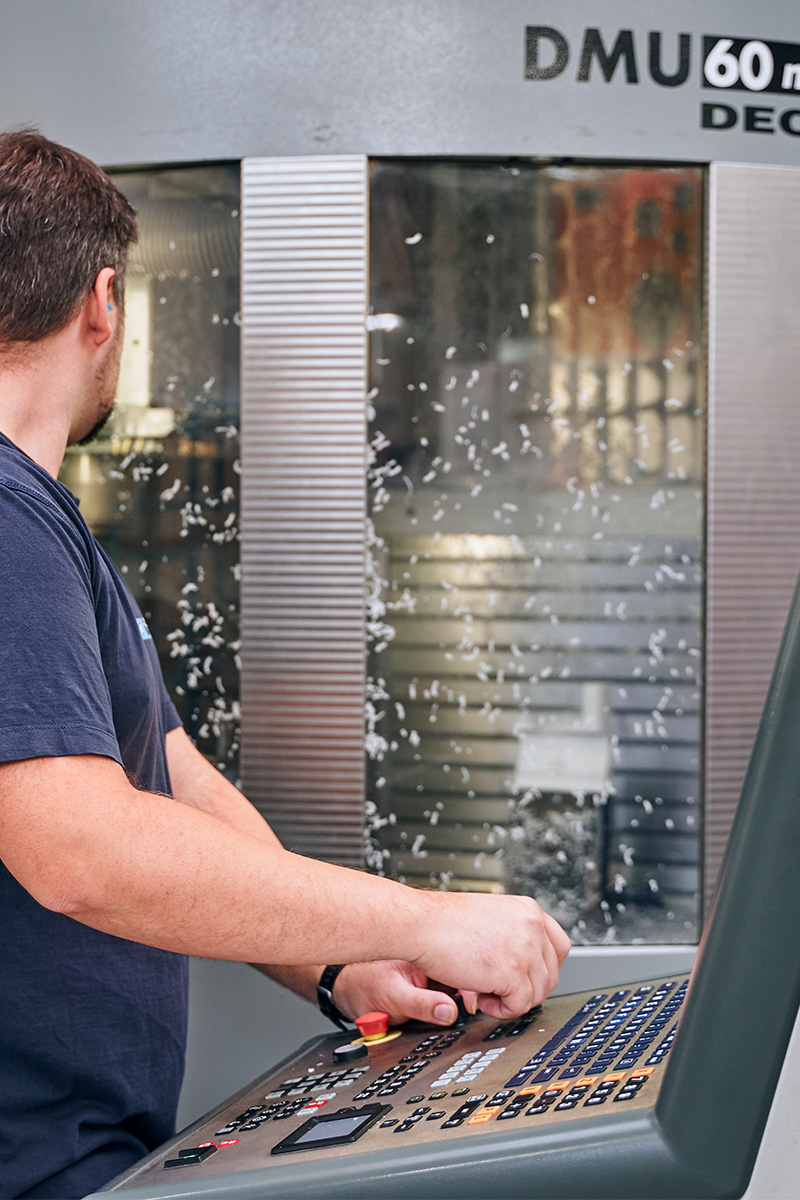
A focused team member operates one of our CNC milling machines


We’ll make the chips fly for your component
Our experts will be happy to advise you on your plastic milled part.
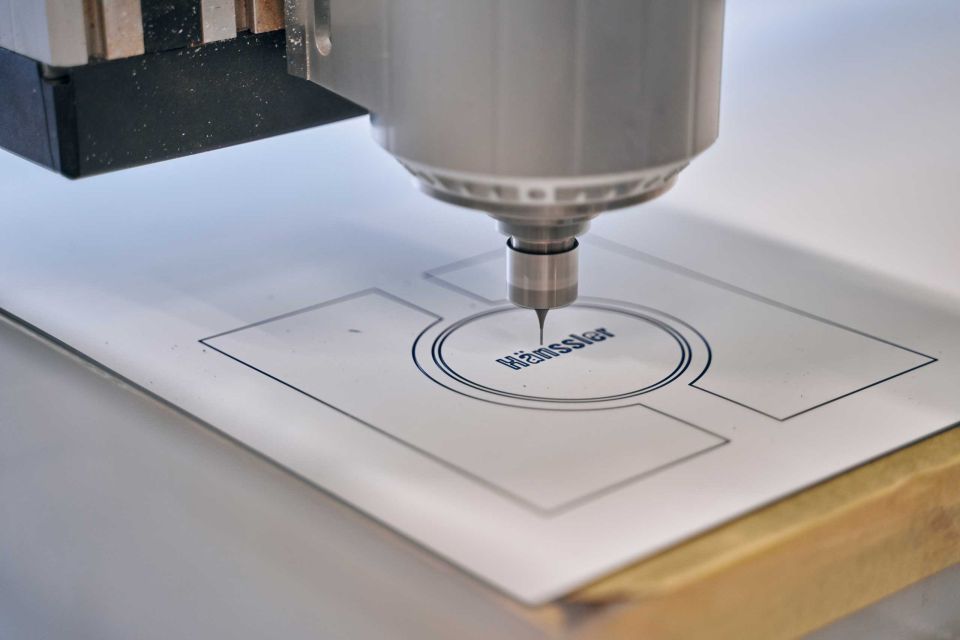
Manufacturing of milled parts from plastic plates
Clamping of semi-finished plastic products
Due to the lower stiffness and higher elasticity of plastics, there are several factors to consider when clamping plastic blanks. If excessive clamping forces are applied, the plastic part will become deformed during machining, and tolerances cannot be maintained. Through innovative solutions, we clamp blanks made of standard or high-performance plastics with virtually no residual stress and achieve the highest levels of accuracy despite these challenges.
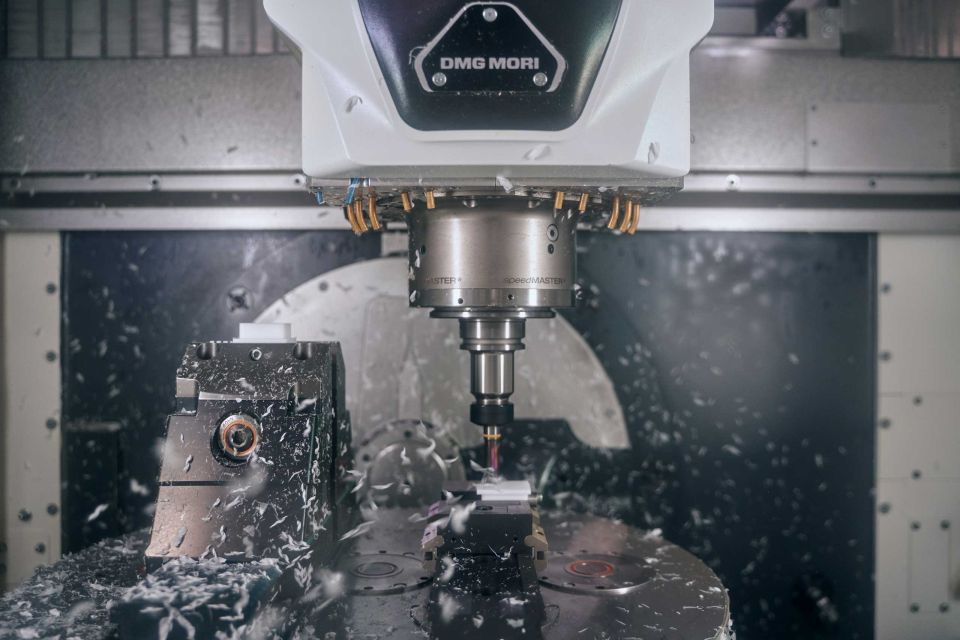
Manufacturing of milled parts made of PTFE
Operating temperature of the milled part
The operating temperature depends on the type of plastic and can play an important role at both high and very low temperatures. We offer a wide range of high-temperature plastics that are suitable for the most extreme conditions. With some types of plastic, however, it is important to make the right choice even at low temperatures. For example, PP should not be used at sub-zero temperatures because it becomes very brittle.
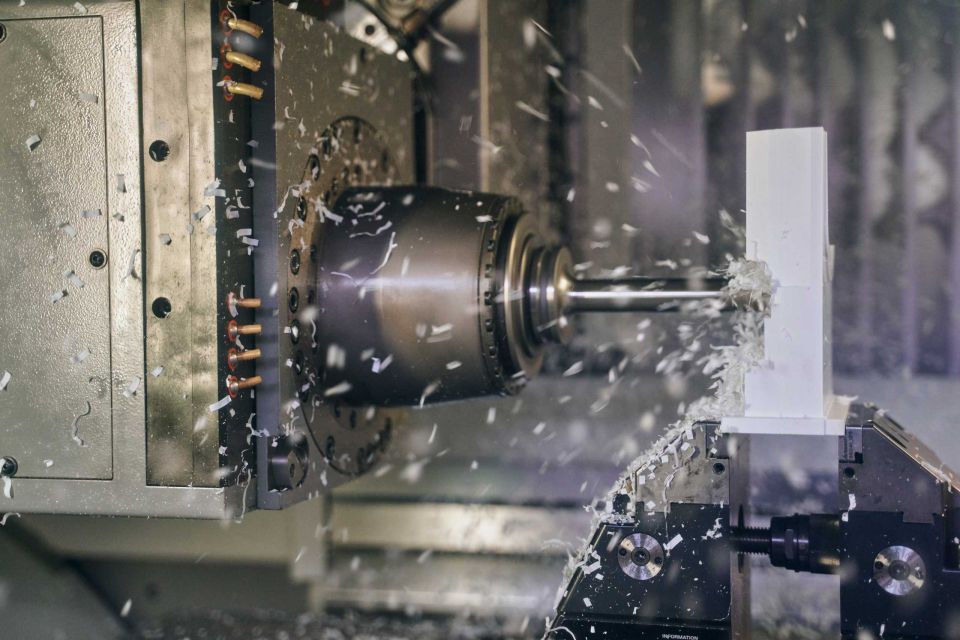
Manufacturing of milled parts from PETG
Abrasion and friction
When it comes to minimizing friction, plastic is the material of choice. Many plastics have a particularly low coefficient of friction, which can be further improved through the addition of additives such as solid lubricants.
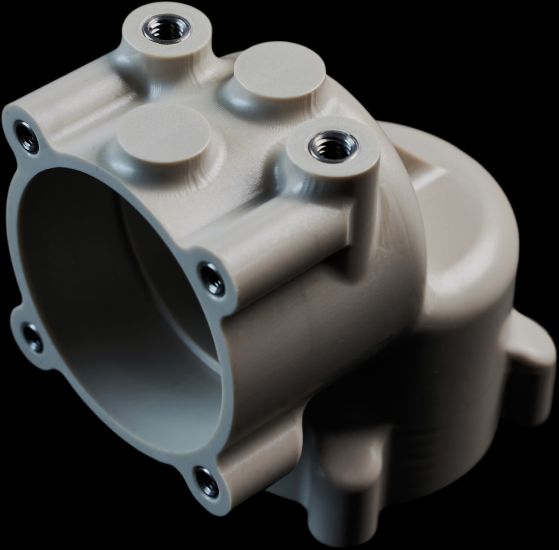
PEEK deflection gear | Application: weight reduction in Formula Student race car